Fukushiman evakuointi on yksi merkittävimmistä ydinvoimalaonnettomuuksista nykyhistoriassa. Sen ymmärtäminen, miten se tapahtui – ja mitä se opetti meille – on ratkaisevan tärkeää kaikille, jotka vakavasti harkitsevat hätävalmiutta ja perheiden turvallisuussuunnittelua.
Fukushiman evakuointi vuonna 2011: miten se eteni
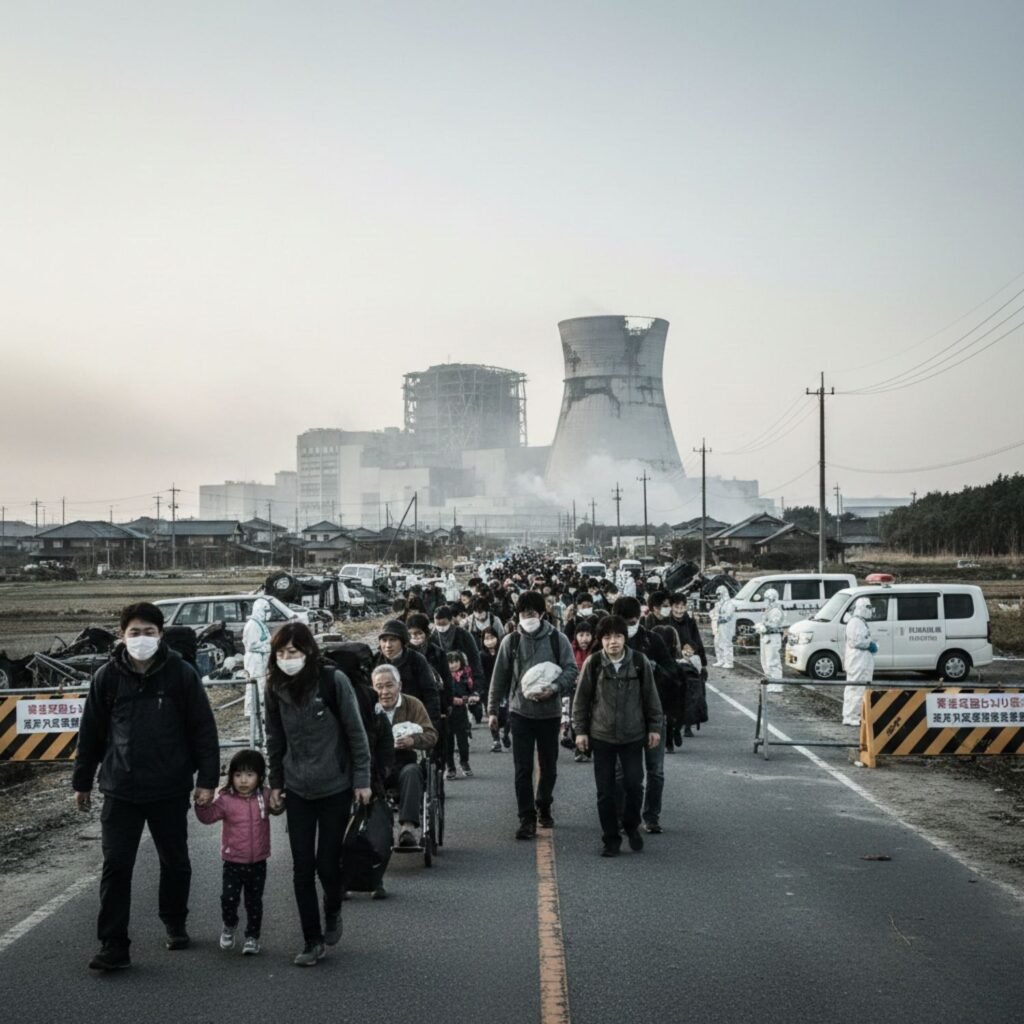
Maaliskuun 11. päivänä 2011 iski valtava 9,0 magnitudin maanjäristys, jota seurasi tuhoisa tsunami. Yksi tämän katastrofin merkittävimmistä seurauksista oli onnettomuus suuressa ydinvoimalassa. Tämä loi välittömän radioaktiivisten vuotojen uhan, mikä johti yhteen suurimmista rauhanajan evakuoinneista kehittyneessä maassa.
Näin todellinen evakuointi etenee
Onnettomuuden ensimmäisenä päivänä viranomaiset määräsivät asukkaiden evakuoitumaan 3 kilometrin säteellä. Samanaikaisesti 10 kilometrin säteellä asuvia kehotettiin suojautumaan sisätiloihin. Tilanteen kehittyessä suoja-alueita laajennettiin nopeasti. 24 tunnin kuluessa evakuointisäde kasvoi 10 kilometriin ja pian sen jälkeen 20 kilometriin.
Muutaman ensimmäisen päivän aikana noin 78 000 ihmistä evakuoitiin 20 kilometrin säteeltä, ja sen jälkeen toiset 62 000 asukasta 20–30 kilometrin alueelta. Lopulta yli 100 000–150 000 ihmistä joutui kodittomiksi. Monet eivät kyenneet palaamaan koteihinsa vuosiin.
Viralliset arviot: mitä raportit osoittavat?
- Kansainvälinen atomienergiajärjestö (IAEA) kuvaa kattavissa raporteissaan suojatoimenpiteiden, kuten evakuoinnin, sisälle suojautumisen sekä ruoan ja veden kulutuksen rajoitusten, toteuttamista.
- Yhdistyneiden Kansakuntien tiedekomitea (PELKOTON) analysoi säteilyannoksia ja totesi, että useimpien asukkaiden tehokkaat annokset pysyivät ensimmäisen vuoden aikana hallittavissa olevilla tasoilla oikea-aikaisen evakuoinnin ansiosta.
- Maailman terveysjärjestö (WHO) suoritti terveysriskien arviointeja ja korosti, että fyysisen säteilyn lisäksi psykologiset ja sosiaaliset vaikutukset – mukaan lukien PTSD, ahdistus ja masennus – olivat merkittävä haaste siirtymään joutuneille yhteisöille.
Onnettomuuden jälkeinen kaavoitus ja tie kotiin
Tapahtuman jälkeen vaikutusalue jaettiin turvallisuustasojen perusteella erillisiin vyöhykkeisiin:
- Evakuointimääräysalue
- Rajoitettu oleskelualue
- Vaikea palata -alue
Vuoteen 2020 mennessä monet evakuointimääräykset kumottiin puhdistustoimien edetessä, vaikka jotkut voimakkaan vaikutuksen alueet ovat edelleen rajoitettuja.
Mitä tämä tarkoittaa valmiudelle ja go72h.comille
Tämän tapahtuman opetukset osoittavat, että evakuointimääräys voidaan antaa erittäin nopeasti – asukkailla voi olla vain minuutteja tai muutamia tunteja aikaa valmistautua.
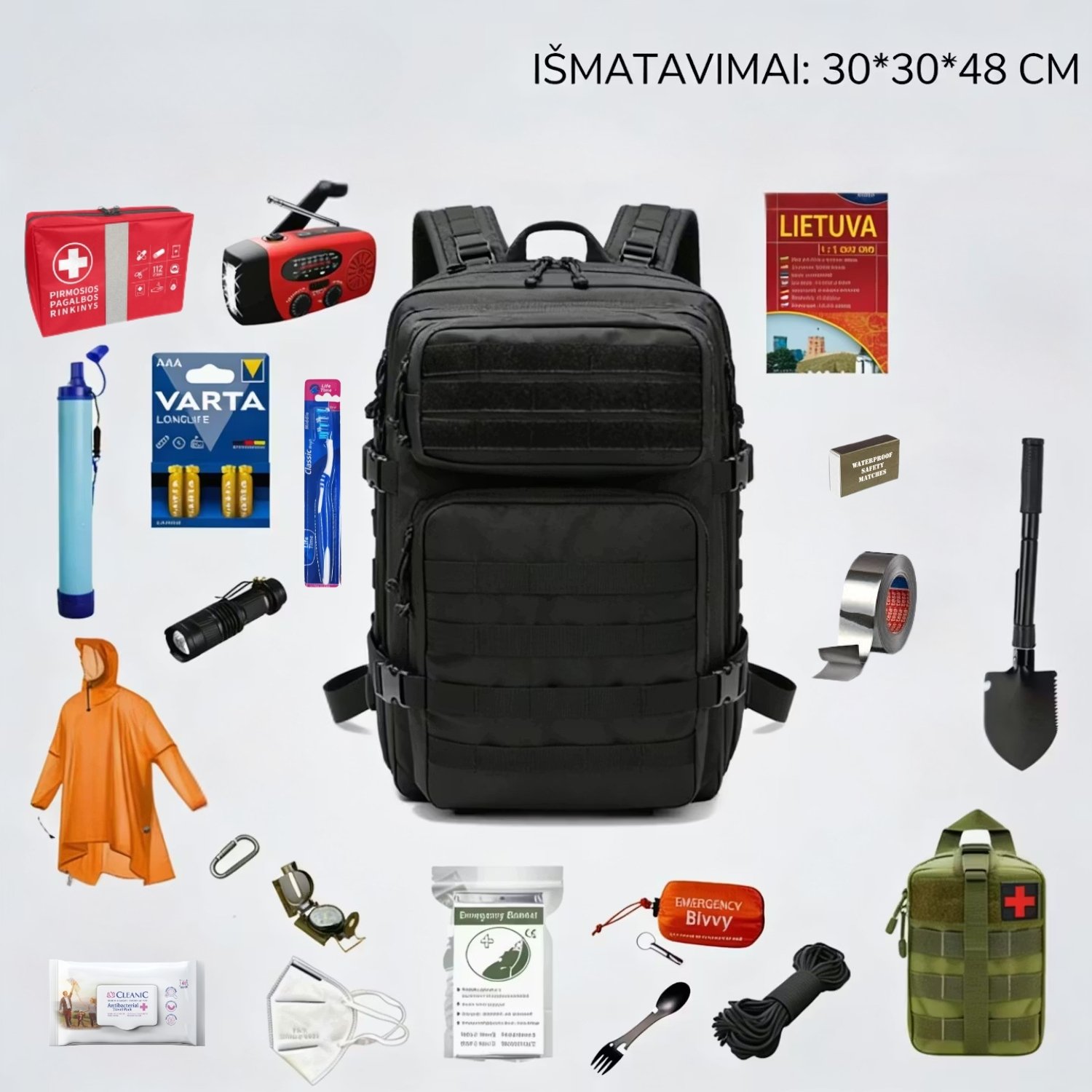
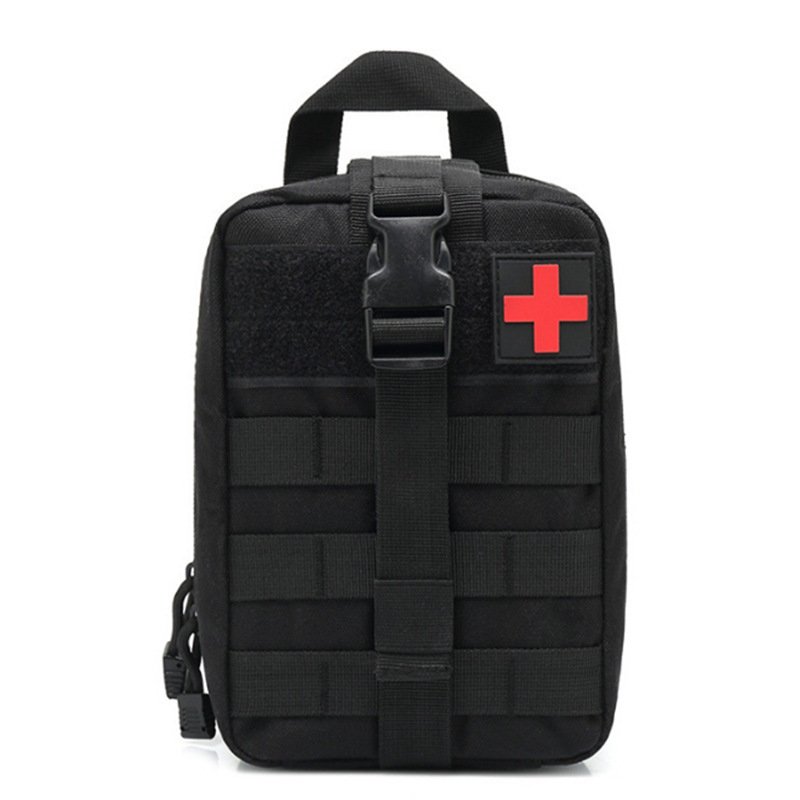
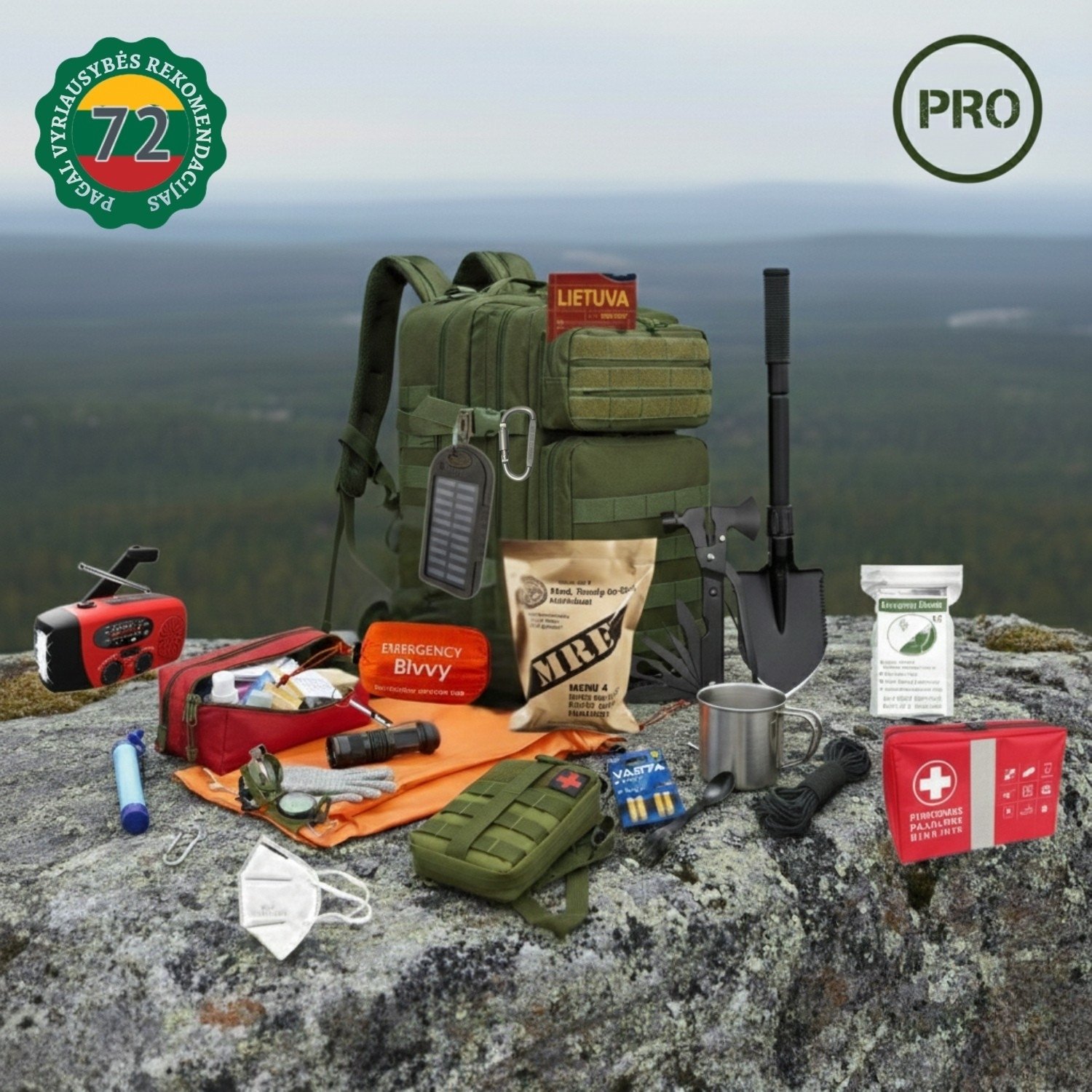
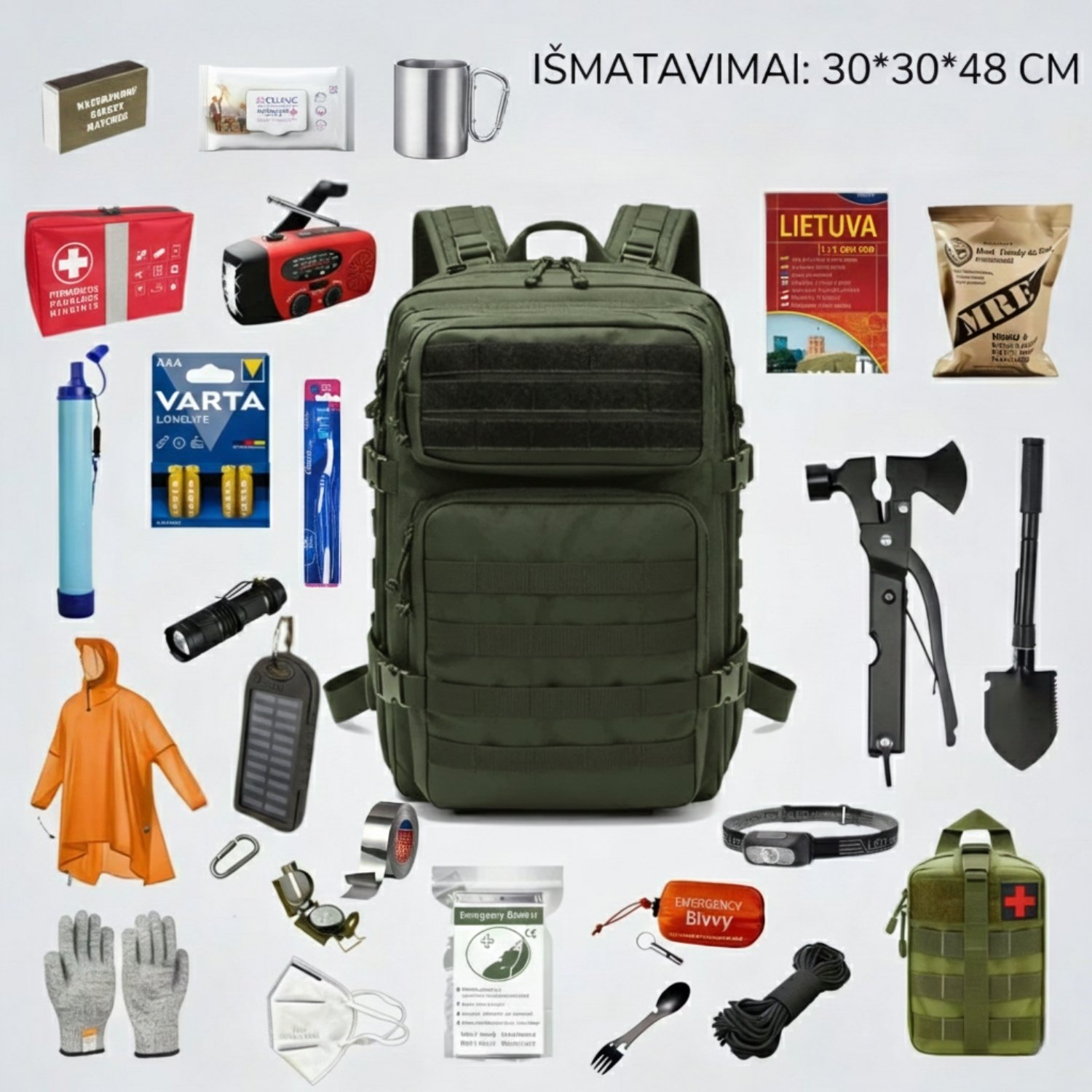
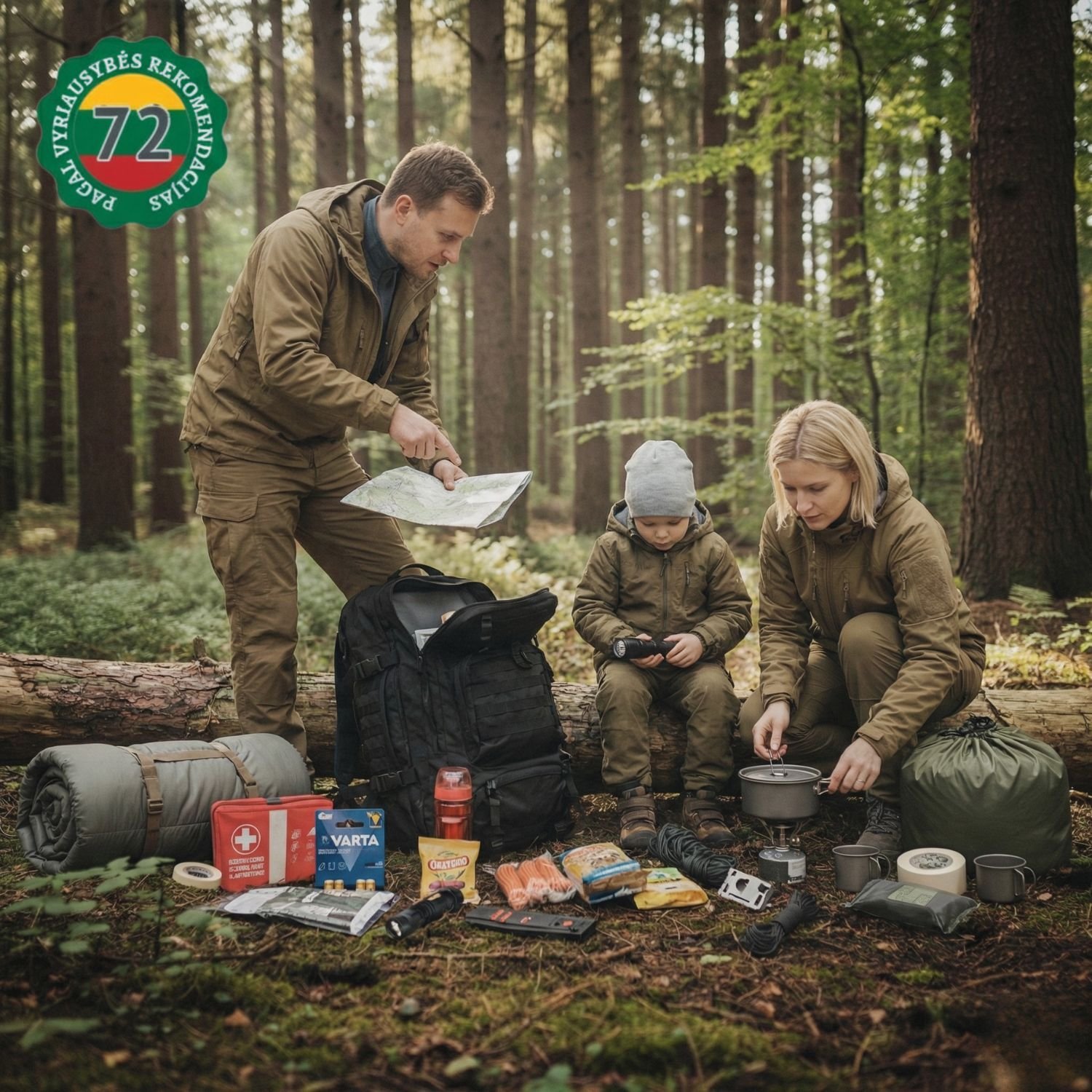
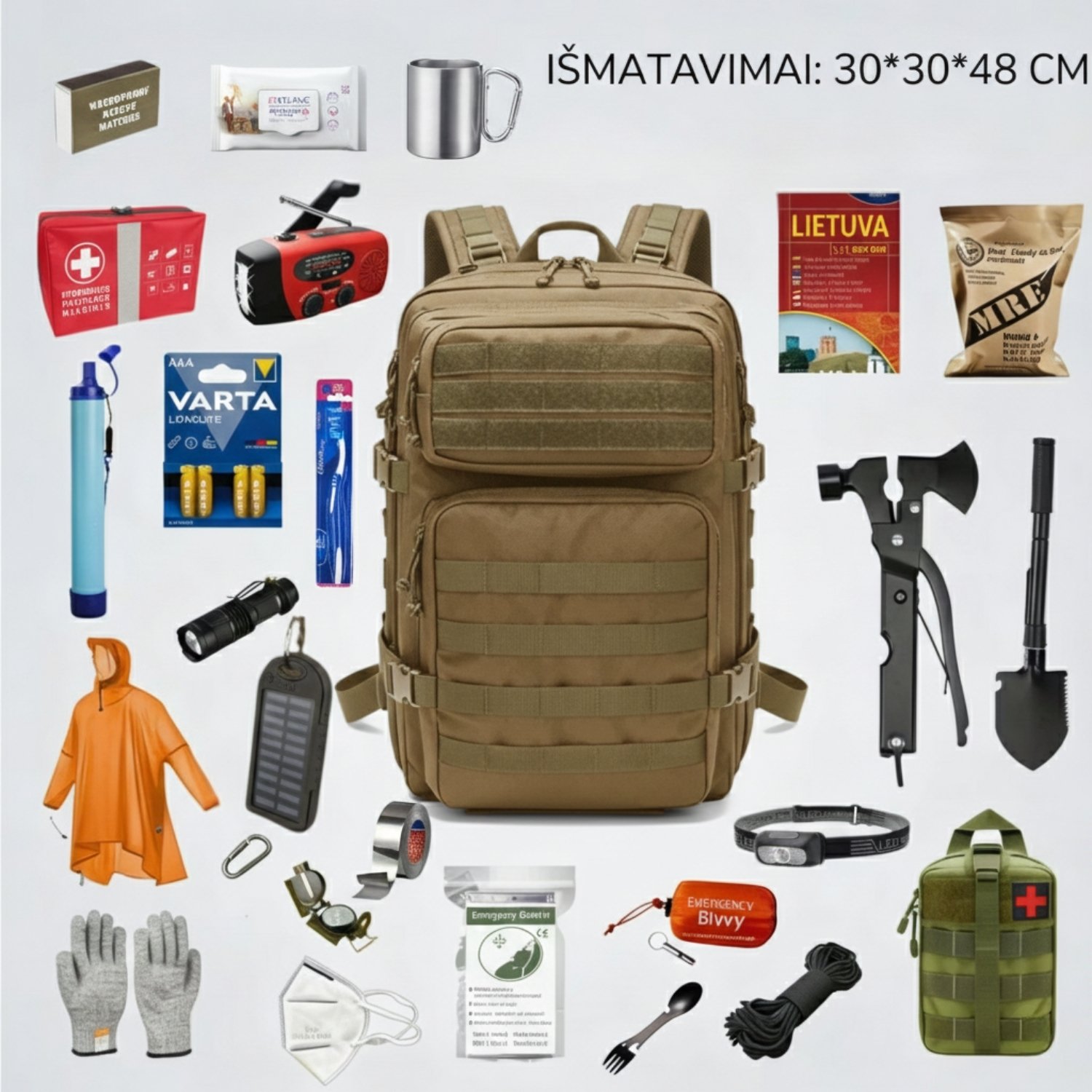
Näissä paineen alla olevissa tilanteissa etukäteisvalmistelut ovat kriittisiä. Juuri tästä syystä hätäreppu on suunniteltu: mahdollistamaan nopean lähdön, vähentämään stressiä ja suojelemaan perhettäsi kriisin kolmen ensimmäisen päivän aikana.
Teollisuus- tai riskikohteiden lähellä asuville valmistautuminen on yhteinen vastuu. Siksi go72h.com tarjoaa paitsi kuratoituja paketteja myös käytännön neuvoja evakuointisuunnitteluun, perheen hätätilanneprotokolliin ja viestintäongelmien hallintaan.
Tämä historiallinen tapahtuma toimii muistutuksena: teknologia voi pettää ja ennusteet voivat olla vääriä, mutta henkilökohtainen valmistautuminen – sinun hätäreppu– on asia, jota voit hallita.
Fukushiman evakuoinnin tärkeimmät opetukset
Fukushiman evakuointi paljasti kriittisiä aukkoja yhteisöjen valmistautumisessa äkillisiin ydinvoimahätätilanteisiin. Viranomaisilla oli vain osittaisia suunnitelmia, ja monet asukkaat yllätettiin täysin yllättyneinä. Joillakin perheillä ei ollut tarvikkeita, ei nimettyä tapaamispaikkaa eikä viestintäsuunnitelmaa. Ne, joilla oli edes perushätäpakkaus, olivat huomattavasti paremmin valmistautuneita selviytymään ensimmäisistä 72 tunnista.
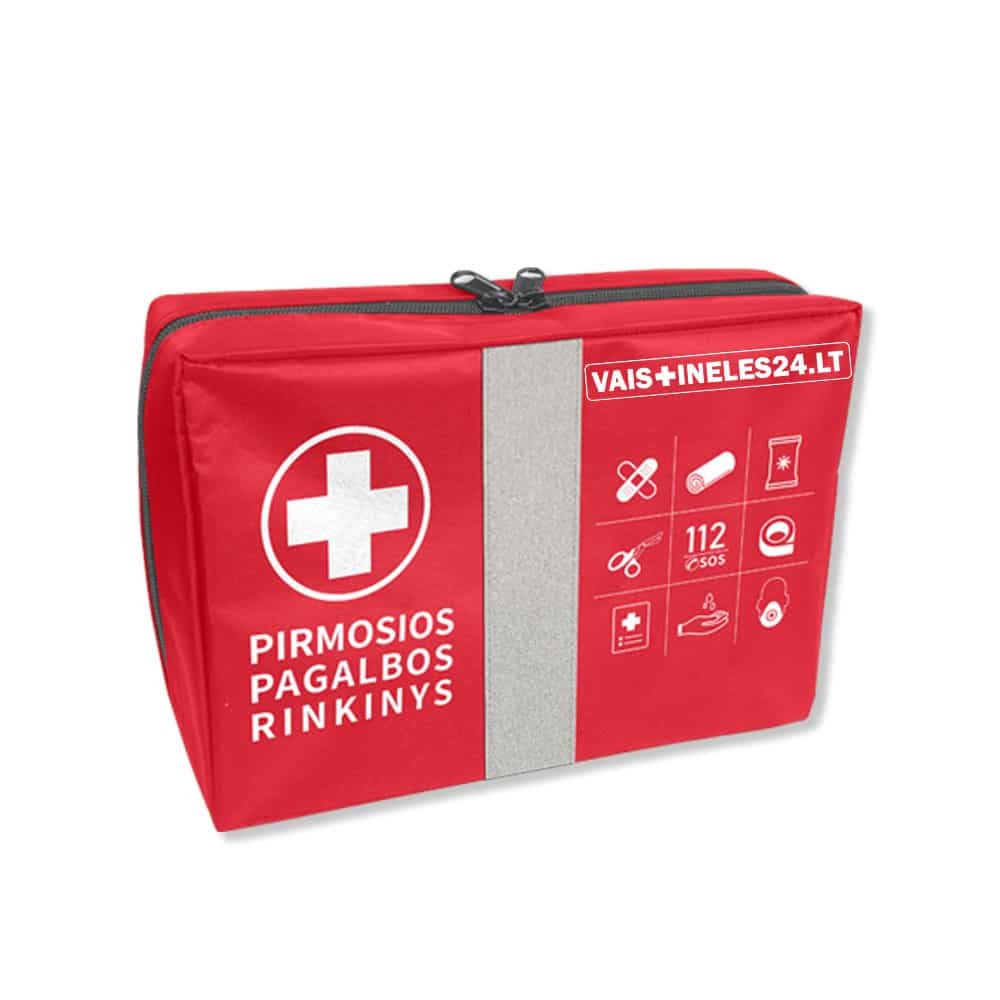
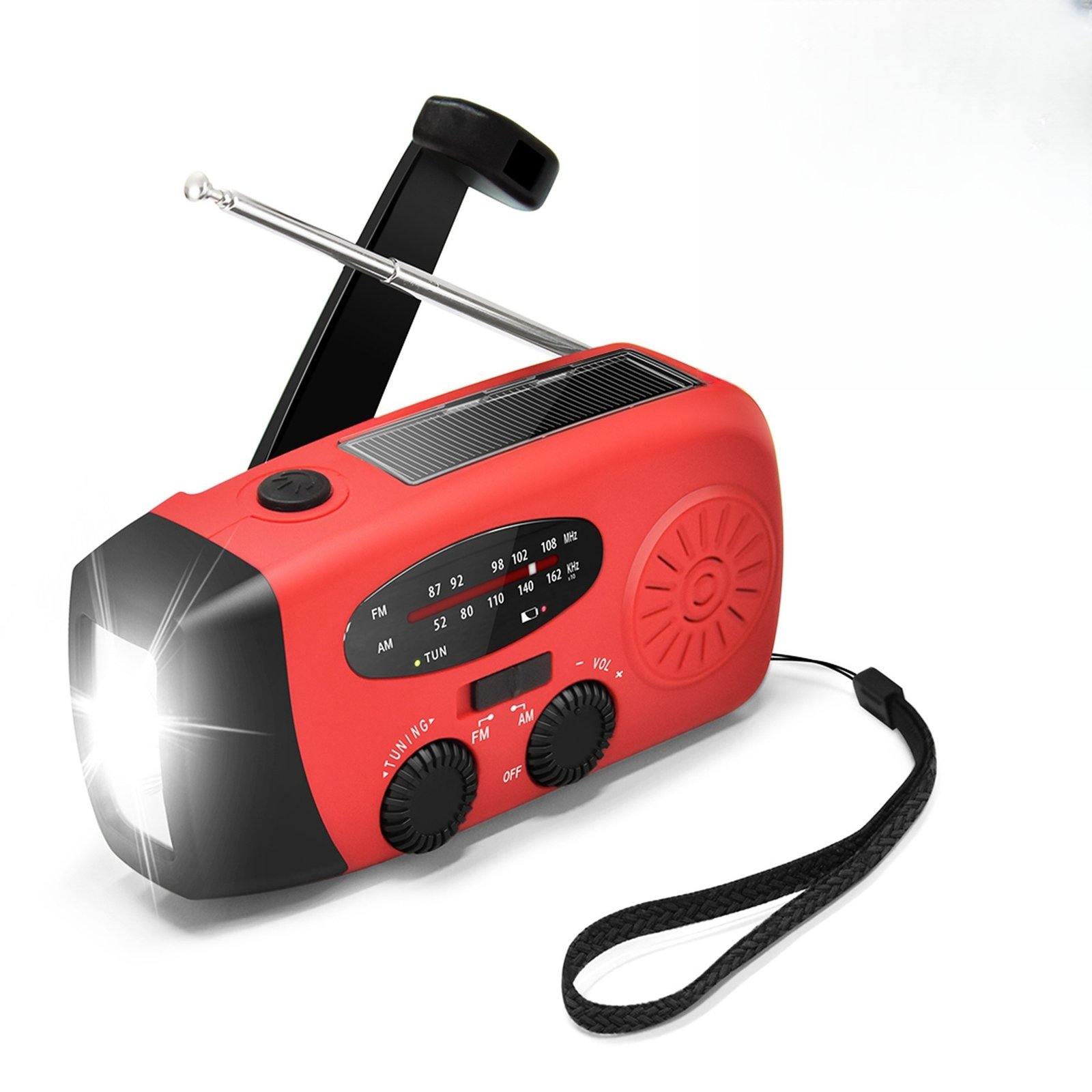
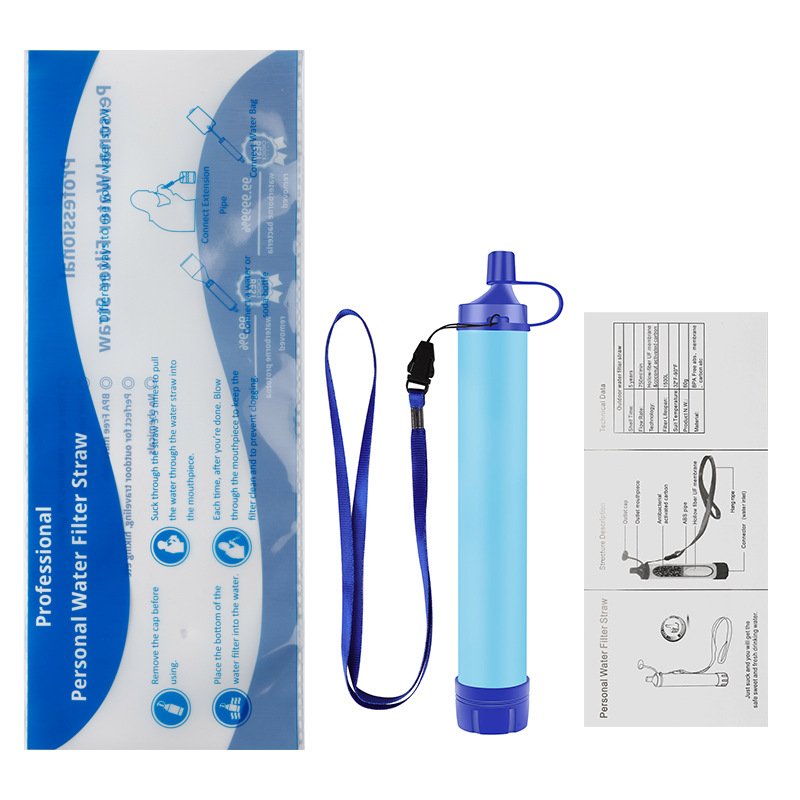
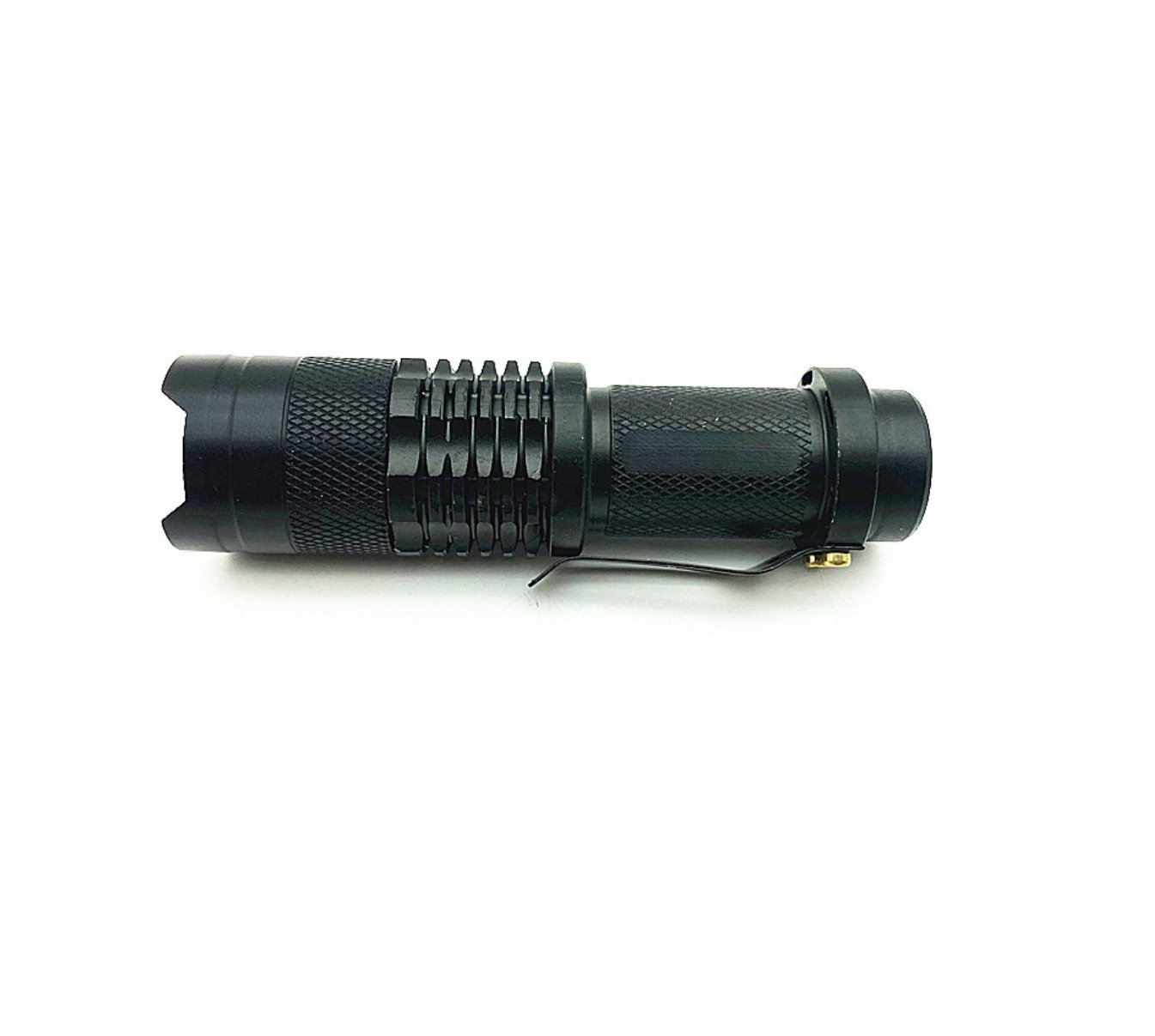
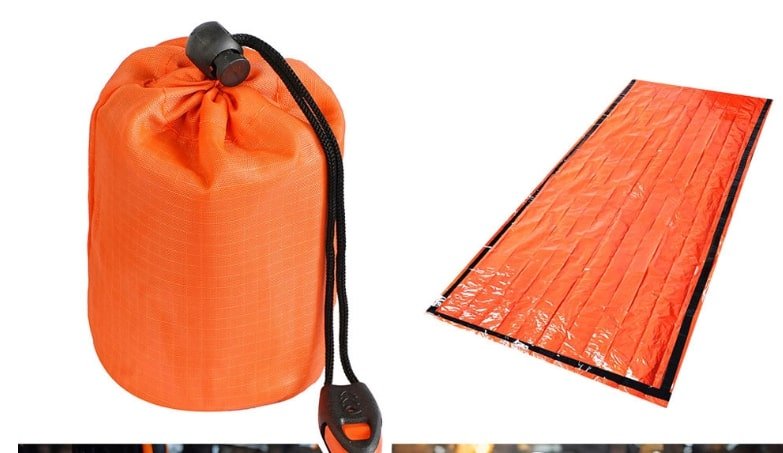
Asiantuntijat suosittelevat, että jokainen kotitalous valmistaa oman hätäreppu sisältää vähintään 72 tuntia välttämättömiä tarvikkeita. Vähimmäisvaatimukset ovat vesi, säilykkeet, ensiaputarvikkeet, tärkeiden asiakirjojen kopiot, taskulamppu ja paristokäyttöinen radio. Teollisuusalueiden tai ydinlaitosten lähellä asuvien perheiden tulisi ottaa mukaan myös joditabletit ja N95-maskit.
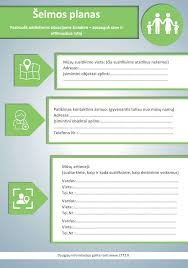
Fukushiman evakuoinnin laajuus ja kiireellisyys korostivat myös yhteisön laajuisen toiminnan tärkeyttä. ydinvoimavalmius. Hätähälytysten toiminnan tunteminen, evakuointivyöhykkeiden luokittelun ymmärtäminen ja ennalta määrätty perheen kohtaamispaikka voivat säästää kriittisiä minuutteja silloin, kun jokainen sekunti on tärkeä.