Ydinvoimavalmius tarkoittaa valmiutta ennen hätätilanteen syntymistä. Ydinvoimalaitosten läsnäolo alueellisissa infrastruktuureissa on ollut useiden vuosien ajan keskeinen keskustelunaihe väestön turvallisuuteen liittyen. Vaikka tällaiset laitokset toimivat tyypillisesti normaaleissa olosuhteissa, niiden maantieteellinen sijainti ja ydinenergian luonne tekevät niistä kansallisen valvonnan ensisijaisen kohteen. väestönsuojelun suunnittelu ja julkisen tiedottamisen strategiat.
Viralliset ohjeet käsittelevät usein kaikkea tiedonantomenettelyistä yksilölliseen valmiuteen. Siksi säteilyturvallisuuskeskukset ja ydinvoiman turvallisuustarkastajat asettaa etusijalle yleisen tietoisuuden – varmistaakseen, että turvallisuus pysyy ennakoivana tapana eikä reaktiivisena pelkona.
Miksi ydinvoimavalmiutta korostetaan normaalin toiminnan aikana?
Ydinenergia perustuu korkeimpiin turvallisuusstandardeihin, mutta harvinaisetkin tapahtumat vaativat selkeitä, ennalta määrättyjä toimia. Siksi erilaisiin skenaarioihin varautumiseen kiinnitetään niin paljon huomiota riippumatta siitä, kuinka pieni niiden todennäköisyys on.
Viralliset instituutiot arvioivat tyypillisesti:
- Miten tietoa välitetään yleisölle.
- Tehokkuus varhaisvaroitusjärjestelmät.
- Mitä suojatoimenpiteitä tulisi soveltaa tapahtuman ensimmäisten tuntien aikana.
Tämä lähestymistapa ei ole ainutlaatuinen ydinturvallisuudelle – vastaavia väestönsuojelutoimenpiteitä suunnitellaan mm. äärimmäiset sääolosuhteet, teollisuusonnettomuuksia tai merkittäviä sähkönjakeluhäiriöitä.
Virallisten suunnitelmien ja ohjeiden rooli
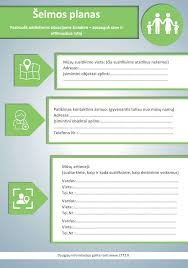
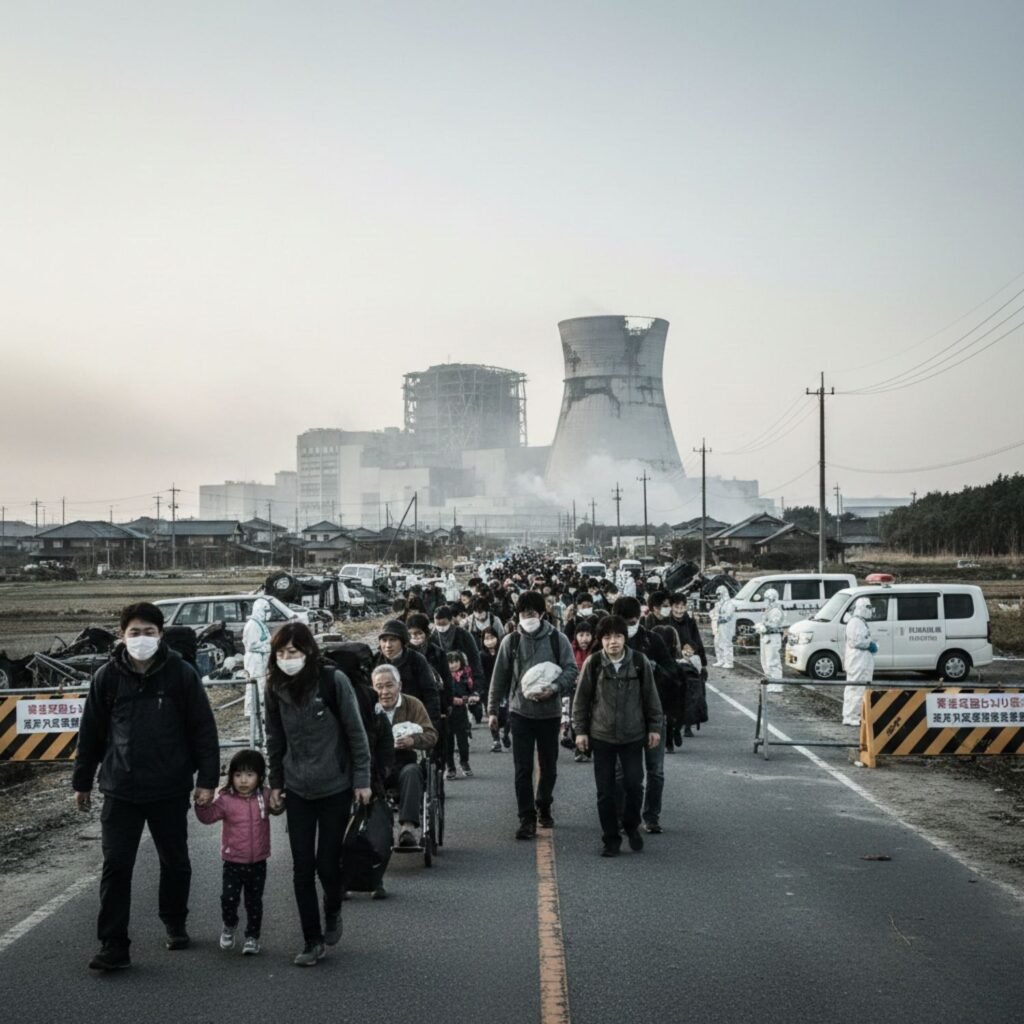
Turvallisuuslaitokset ylläpitävät yksityiskohtaisia säteilytapahtumien hallintasuunnitelmia. Nämä suunnitelmat kattavat yleisölle tiedottamisen, suositukset sisälle suojautumisesta, suojavarusteiden käytön jodivalmisteet, ja mahdolliset evakuointimenettelyt tietyillä alueilla.
Minkä tahansa väestönsuojelujärjestelmän tavoitteena on tarjota selkeyttä. Näitä suunnitelmia päivitetään säännöllisesti sen varmistamiseksi, että jos tilanne vaatii nopeaa reagointia, yleisö tietää tarkalleen, mitä tehdä, ja paniikki korvataan organisoidulla toiminnalla.
Miksi ensimmäiset 72 tuntia ovat kriittisiä?
Kansainvälinen kokemus osoittaa, että minkä tahansa suuren kriisin alkaessa aika on tärkein tekijä. Tapahtuman luonteesta riippumatta ensimmäiset päivät kuluvat usein:
- Tietojen kerääminen ja tarkistaminen.
- Laajamittaisten avustustoimien koordinointi.
- Tilanteen vakauttaminen.
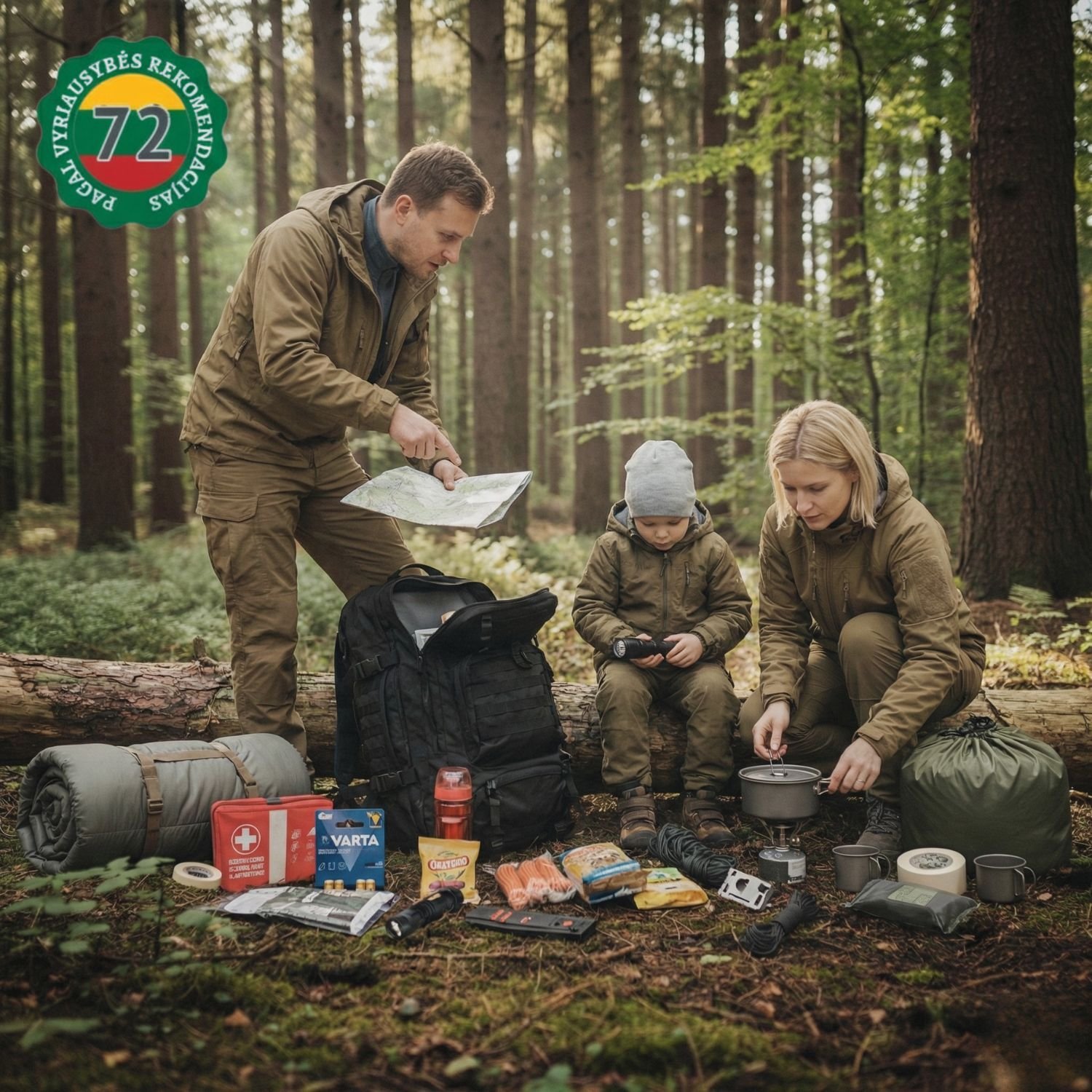
Siksi, väestönsuojelu suositukset korostavat 72 tunnin ikkuna jonka aikana asukkaiden tulisi pystyä itsenäisesti tyydyttämään perustarpeensa. Tämä periaate on nykyaikaisen valmiuden kulmakivi.
Mitä tämä tarkoittaa jokapäiväisessä elämässä?
Valmius ei tarkoita pahimman mahdollisen skenaarion odottamista. Se on rauhallinen ja käytännöllinen suunnitteluprosessi, josta on hyötyä paljon ydinenergian kontekstin ulkopuolellakin. Asiakirjojen, veden, ruoan, lääkkeiden, valaistuksen ja viestintälaitteiden varastojen ylläpito voi olla hyödyllistä monissa eri tilanteissa.
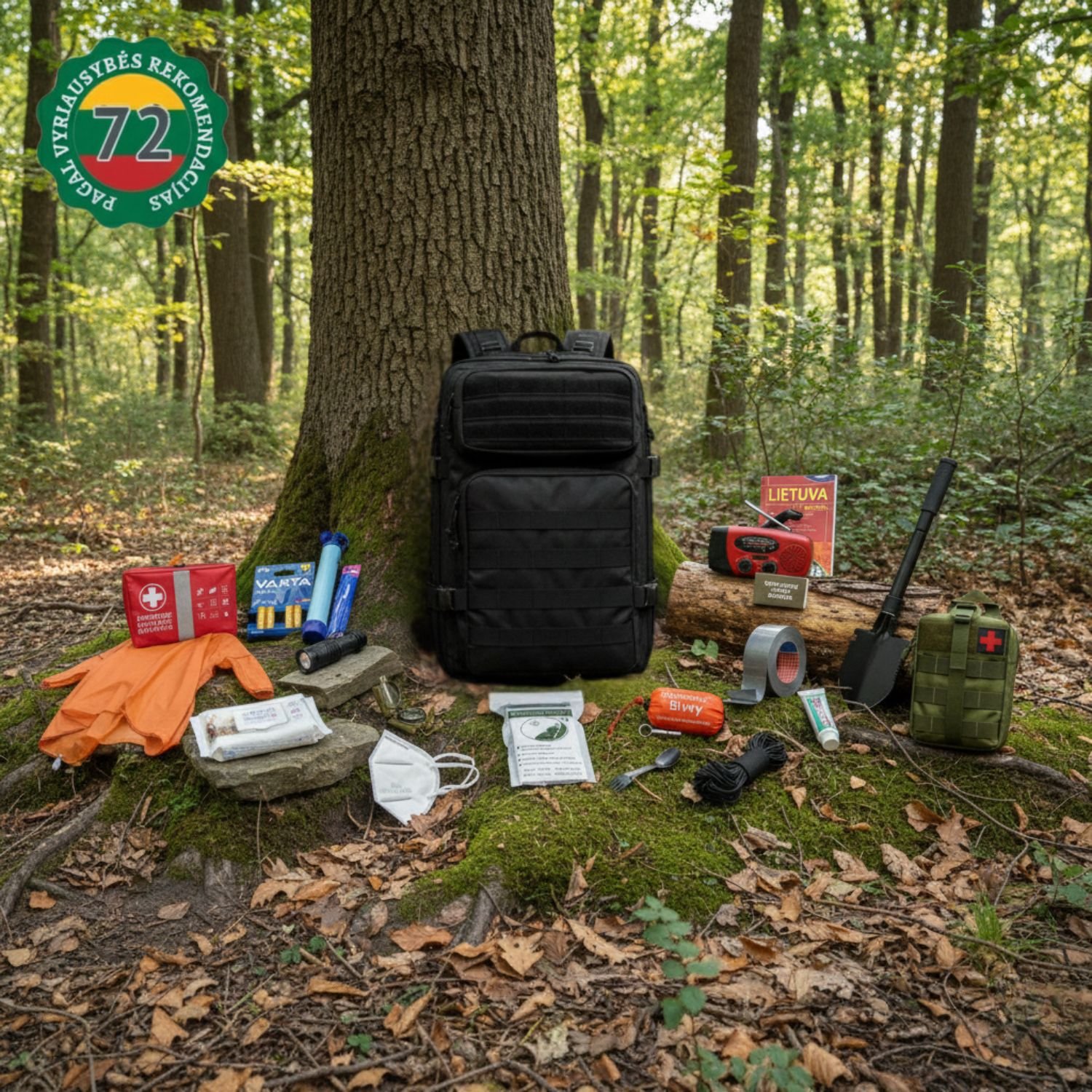
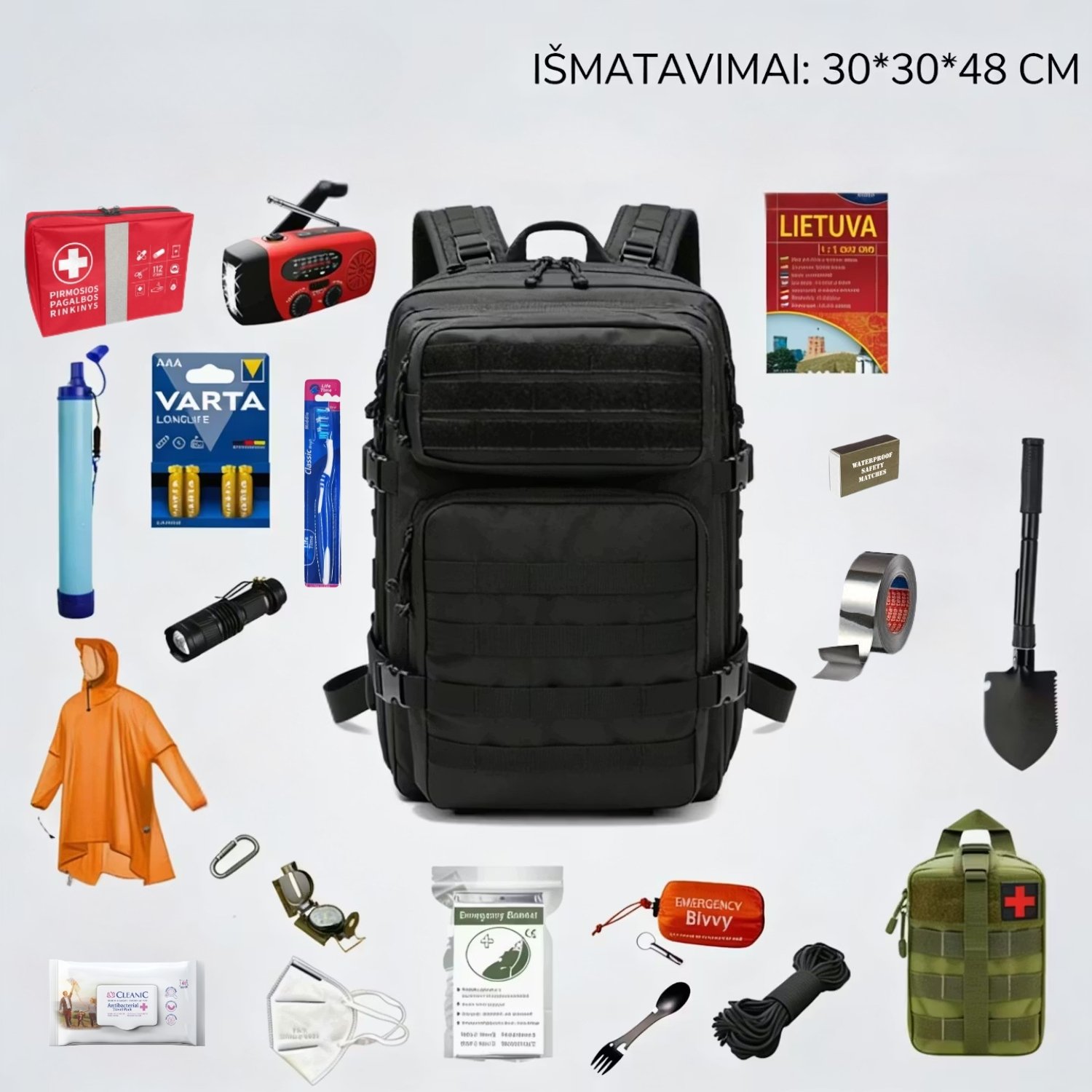
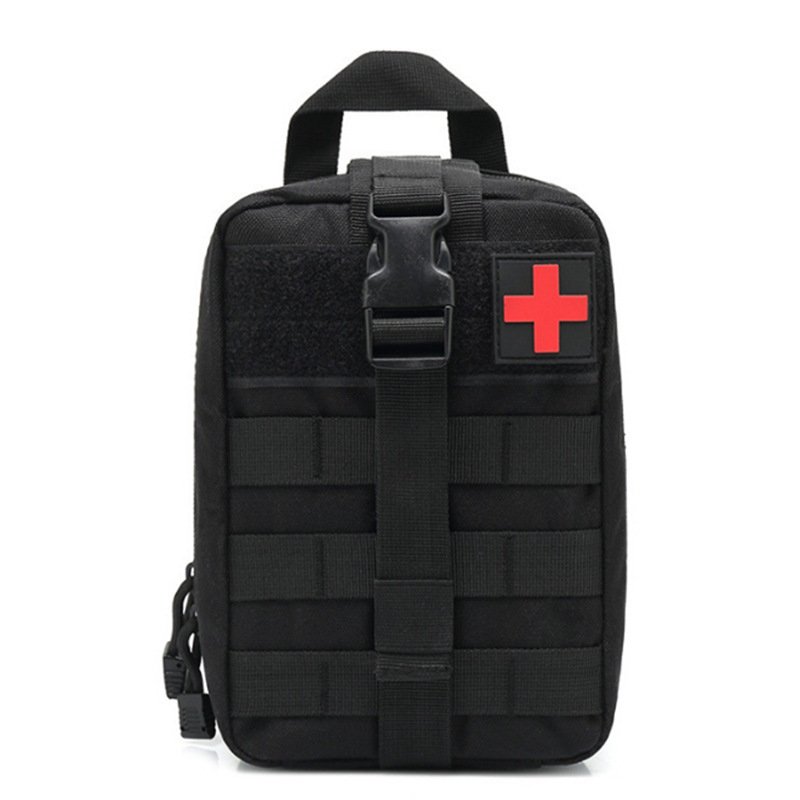
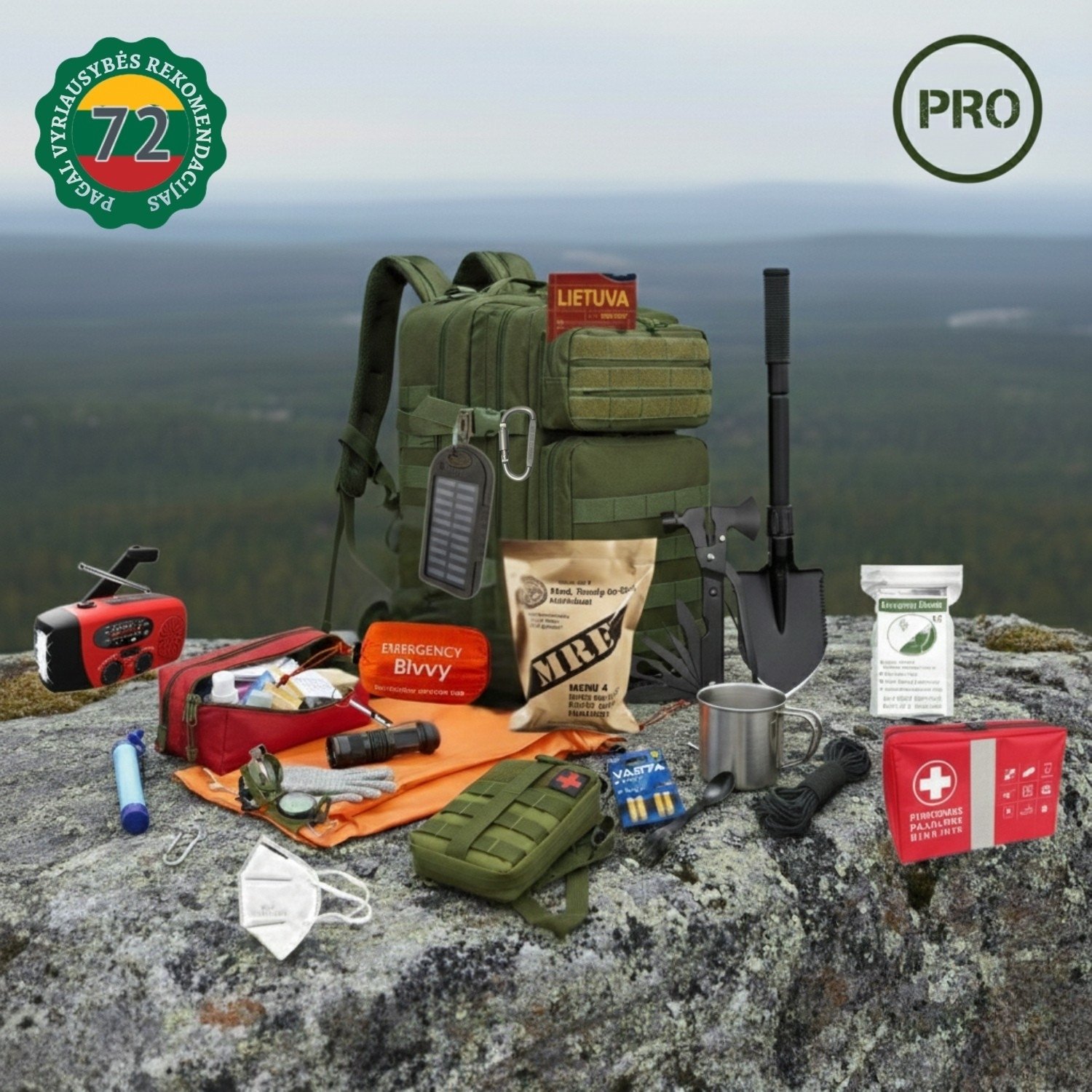
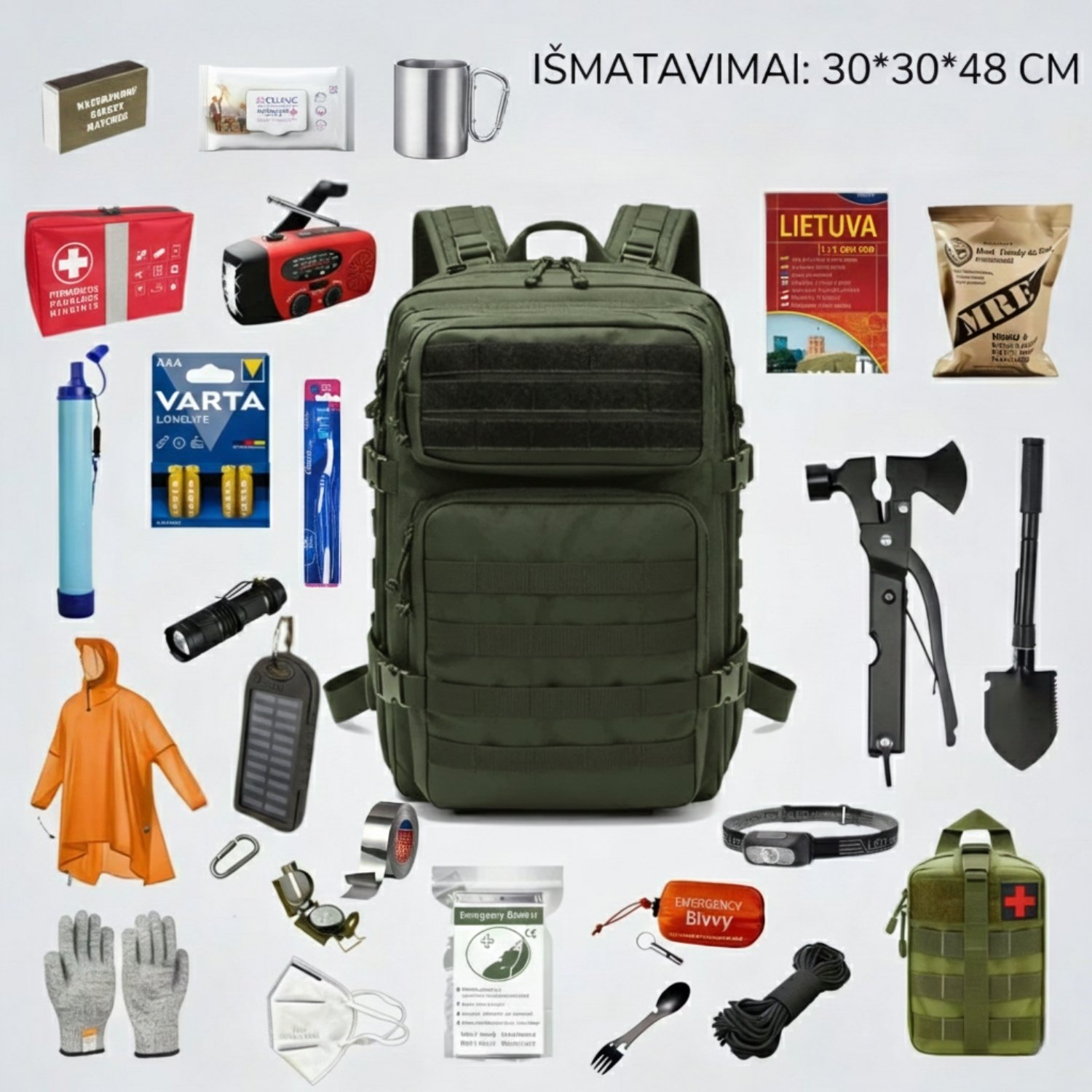
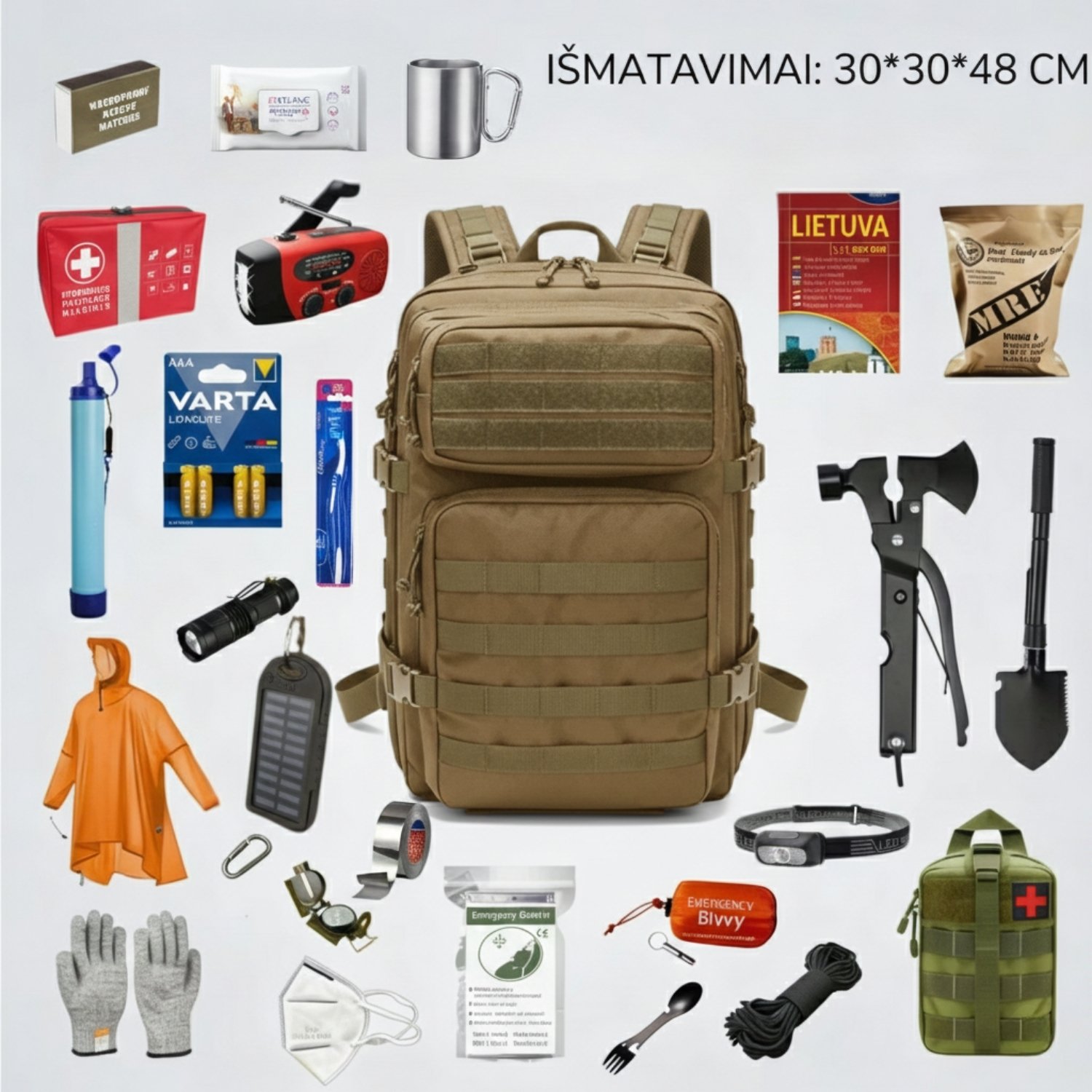
An emehätäreppu on suunniteltu juuri tätä tarkoitusta varten. Kyse ei ole vain "pakenemisesta" – kyse on itsevarmuuden ja kyvykkyyden tunteesta, jos normaali päivärytmisi yhtäkkiä keskeytyy.
Valmistautuminen on vastuuta, ei pelkoa
Ydinvoimasta ja -turvallisuudesta keskustelemisen ei pitäisi aiheuttaa ahdistusta. Sen sijaan se toimii muistutuksena siitä, että nykymaailmassa varautuminen on normaali osa jokapäiväistä vastuuta.
Siksi keskitytään ei koskaan uhkiin, vaan ratkaisuihin – selkeisiin ohjeisiin, käytännönläheisiin ohjeisiin ja tietoihin, jotka auttavat varautumaan odottamattomiin tilanteisiin.
Usein kysyttyjä kysymyksiä ydinvoimavalmiudesta
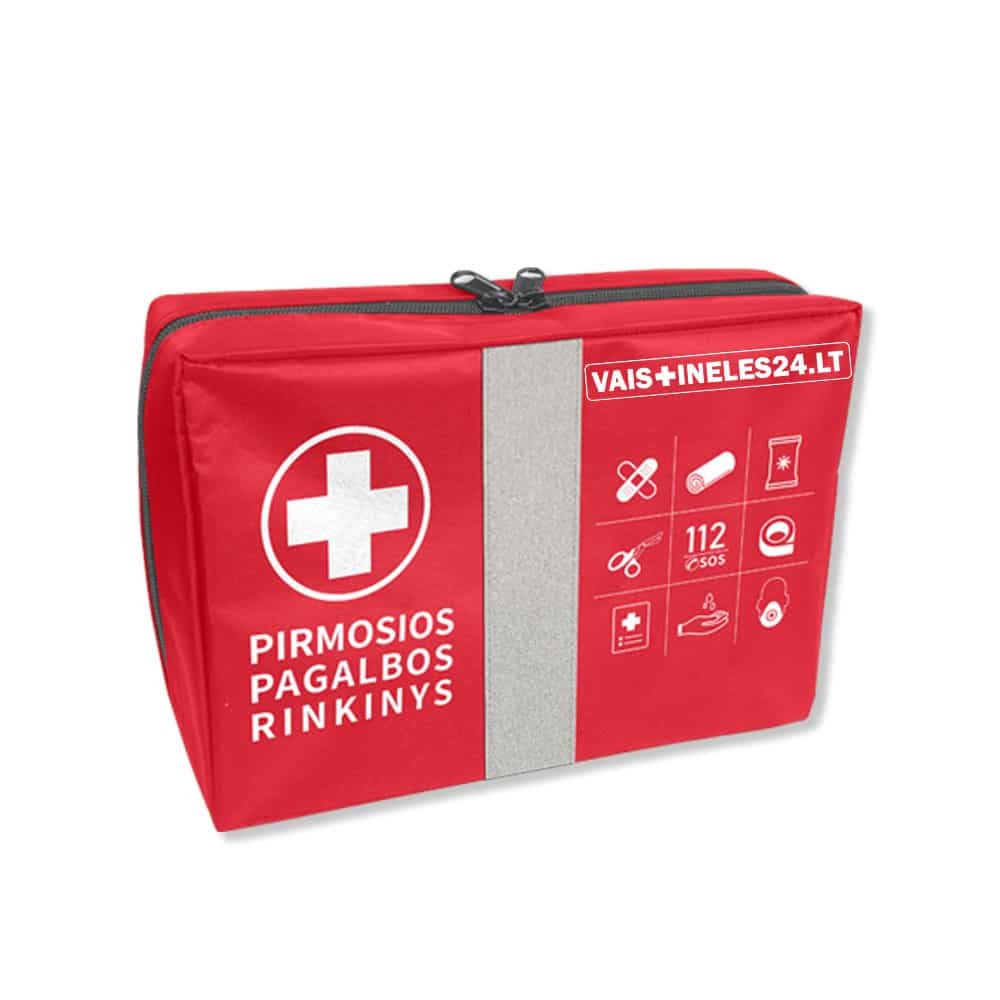
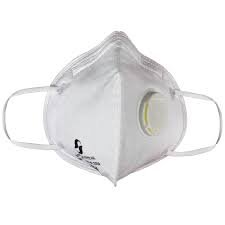
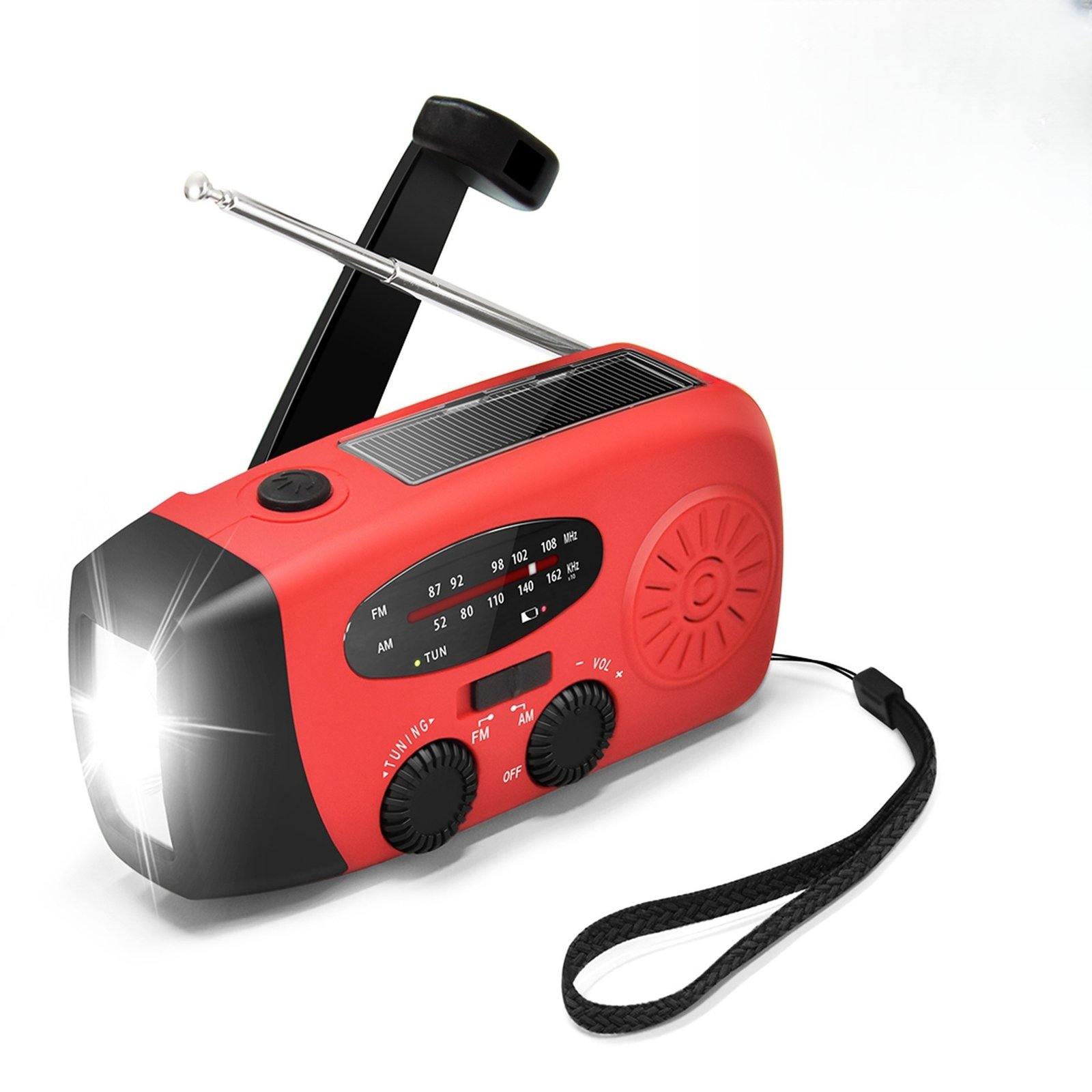
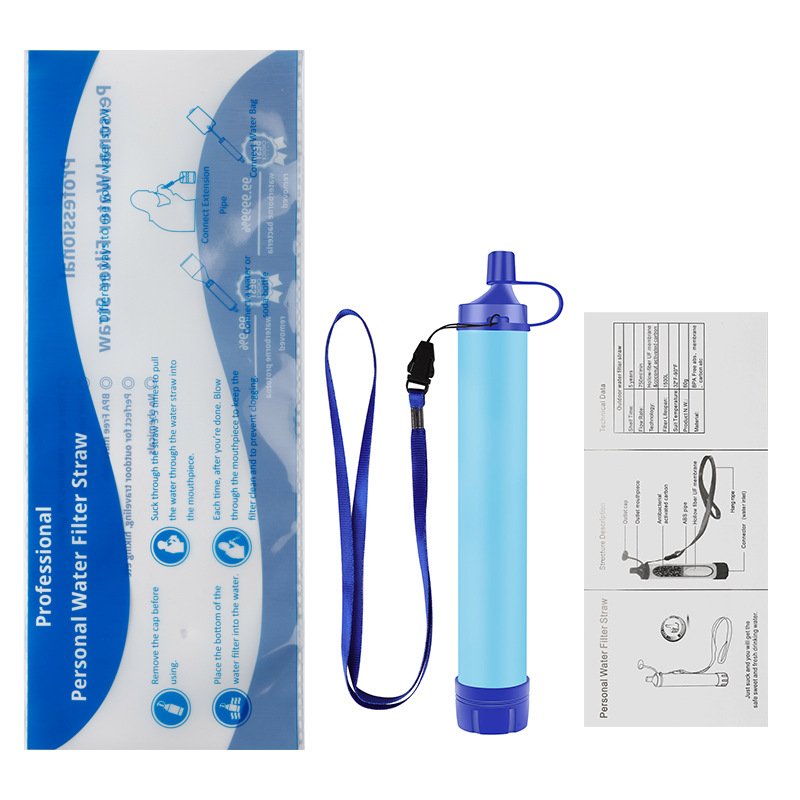
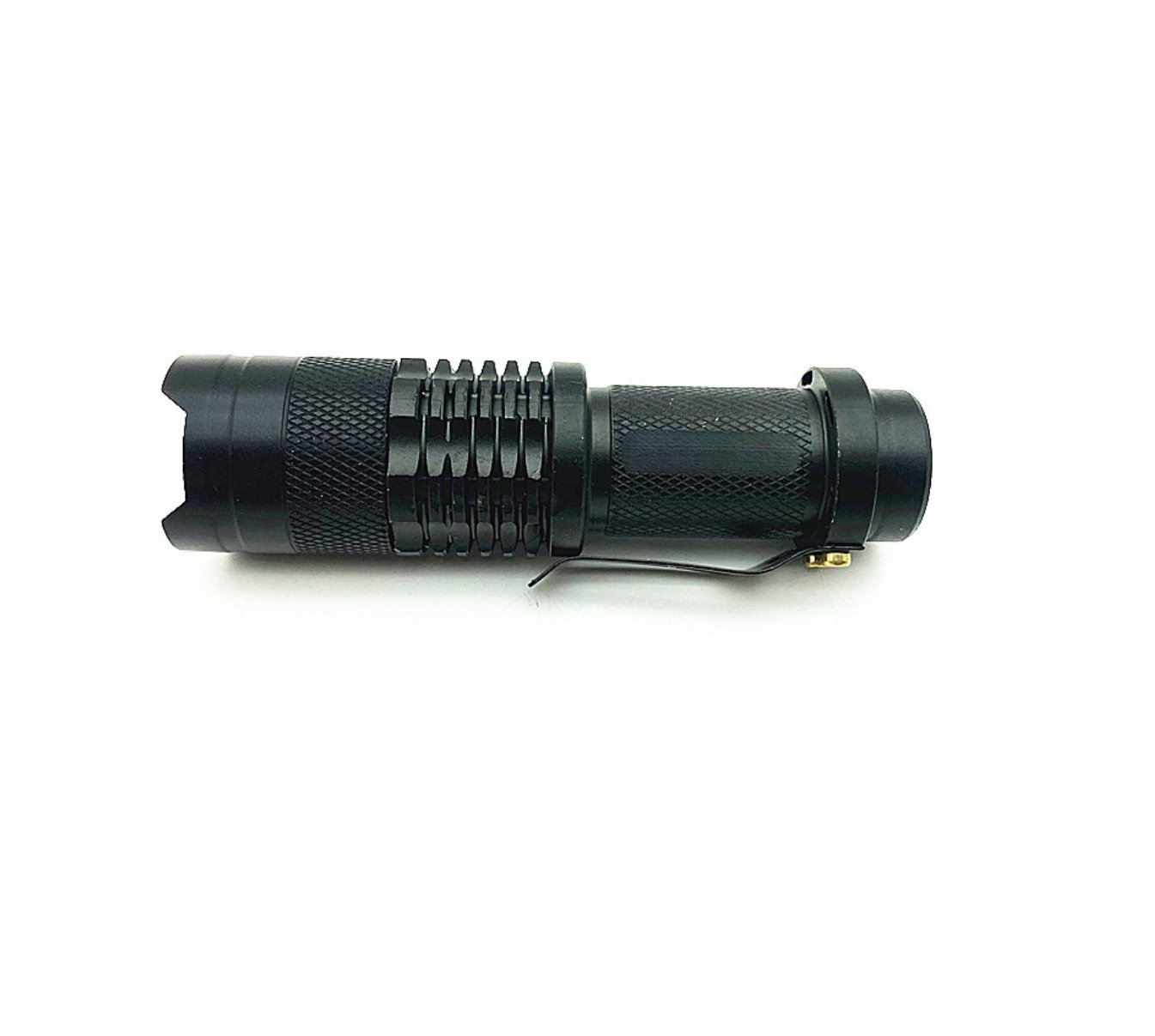
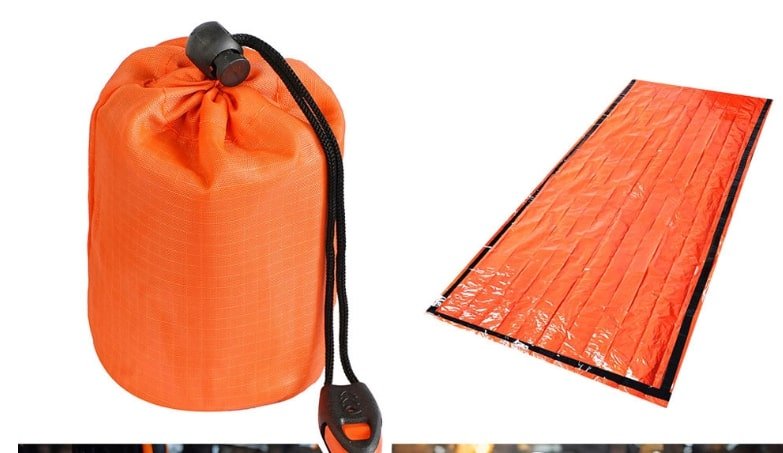
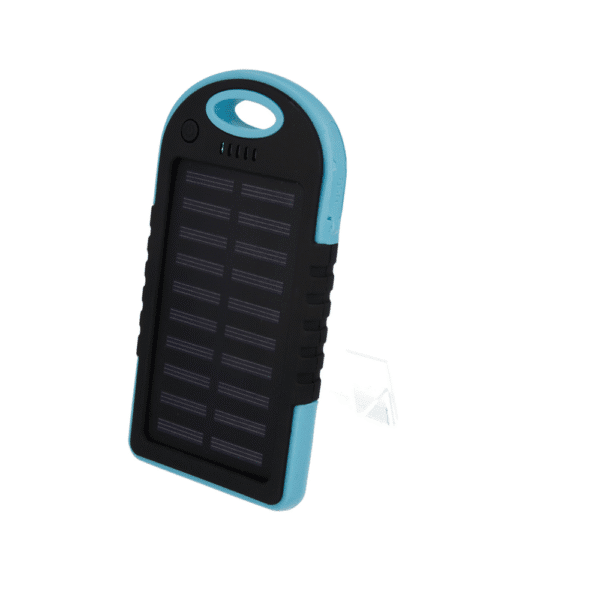
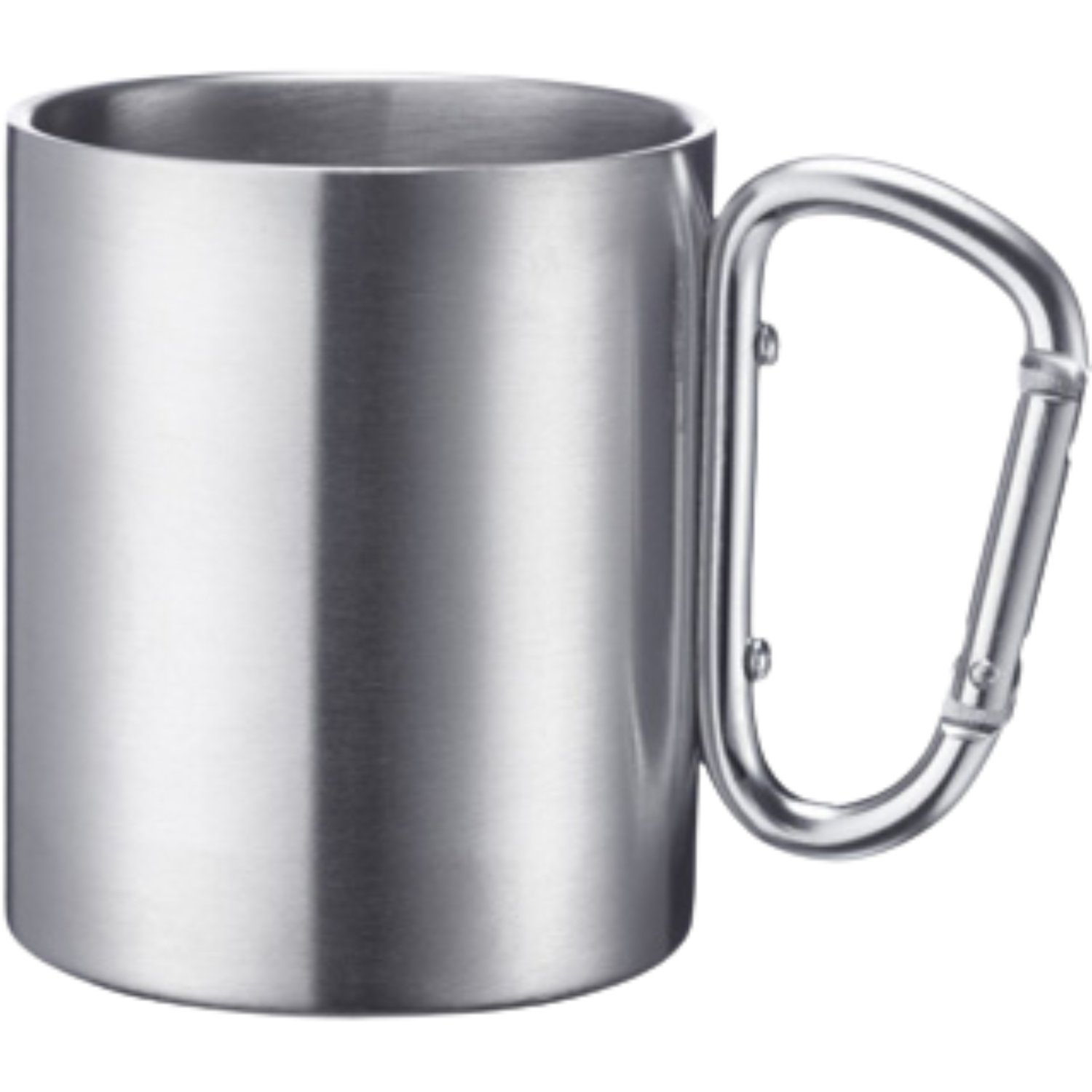
Mitä ydinvoimavalmiuspakkauksen tulisi sisältää? Perushätäpakkaukseen tulisi kuulua pullotettua vettä vähintään 72 tunniksi, säilykkeitä, paristokäyttöinen radio, taskulamppu, ensiapulaukku, ylimääräisiä paristoja, tärkeitä asiakirjoja, käteistä ja pölynaamari. Paikalliset terveysviranomaiset voivat myös suositella kaliumjodiditabletteja, jos asut lähellä ydinvoimalaa.
Miten ydinvoimavalmius eroaa yleisestä hätätilanteisiin varautumisesta? Perusperiaatteet ovat samankaltaisia, mutta ydinvoimavalmiuteen lisätään erityisiä vaiheita, kuten suojautuminen, ovien ja ikkunoiden tiivistäminen säteilyaltistuksen rajoittamiseksi sekä turvallisen evakuoinnin ajankohdan ja keinon tunteminen. Virallisten väestönsuojeluohjeiden noudattaminen on olennaista, jotta ydinvoimaonnettomuuden aikana voidaan toimia oikein.
Mistä löydän viralliset ydinvoimavalmiusohjeet? Liettuassa ja muualla Euroopassa pelastuspalveluvirastot ja kansalliset säteilysuojelukeskukset julkaisevat yksityiskohtaisia ohjeita. go72h.com-sivustohätäpakkaus on suunniteltu täyttämään virallisissa väestönsuojelusuunnitelmissa esitetyt 72 tunnin omavaraisuusjakson suositukset.