Evakueringen av Fukushima står som en av de viktigaste kärnkraftskatastrofinsatserna i modern historia. Att förstå hur den utvecklades – och vad den lärde oss – är avgörande för alla som på allvar funderar över krisberedskap och familjesäkerhetsplanering.
Evakueringen av Fukushima 2011: Hur den utvecklades
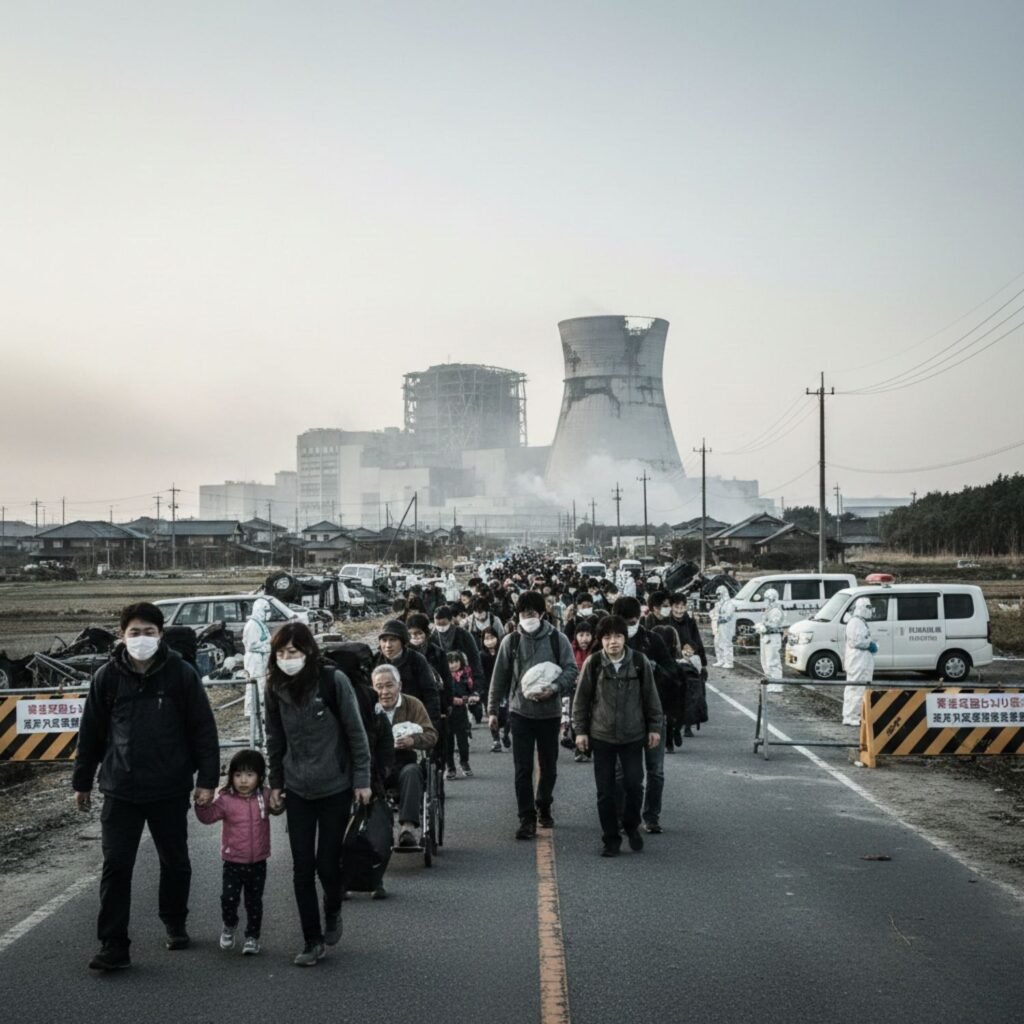
Den 11 mars 2011 inträffade en kraftig jordbävning med magnituden 9,0, följt av en förödande tsunami. En av de mest betydande konsekvenserna av denna katastrof var olyckan vid ett stort kärnkraftverk. Detta skapade ett omedelbart hot om radioaktiva läckor, vilket ledde till en av de största evakueringarna under fredstid i en utvecklad nation.
Hur en riktig evakuering går till
Den första dagen efter olyckan beordrade myndigheterna invånare inom en radie av 3 km att evakuera. Samtidigt uppmanades de inom en zon på 10 km att söka skydd inomhus. Allt eftersom situationen utvecklades utökades skyddszonerna snabbt. Inom 24 timmar ökade evakueringsradien till 10 km, och kort därefter till 20 km.
Under de första dagarna evakuerades cirka 78 000 människor från 20 km-radien, följt av ytterligare 62 000 invånare från 20–30 km-zonen. Så småningom fördrevs över 100 000 till 150 000 människor. Många kunde inte återvända till sina hem på flera år.
Officiella bedömningar: vad visar rapporterna?
- Internationella atomenergiorganet (IAEA) beskriver implementeringen av skyddsåtgärder som evakuering, inomhusvistelse och restriktioner för mat- och vattenkonsumtion i sina omfattande rapporter.
- FN:s vetenskapliga kommitté (AVSKYDDA) analyserade stråldoserna och fastställde att de effektiva doserna för de flesta invånare under det första året förblev inom hanterbara nivåer tack vare snabb evakuering.
- Världshälsoorganisationen (WHO) genomförde hälsoriskbedömningar och betonade att utöver fysisk strålning var de psykologiska och sociala effekterna – inklusive PTSD, ångest och depression – en betydande utmaning för de fördrivna samhällena.
Zonindelning efter olyckan och vägen hem
Efter händelsen delades det drabbade området in i specifika zoner baserat på säkerhetsnivåer:
- Evakueringsorderzon
- Begränsad uppehållszon
- Svåråtervändande zon
År 2020 hade många evakueringsorder hävts i takt med att dekontamineringsarbetet fortskred, även om vissa områden med hög påverkan fortfarande är begränsade.
Vad detta innebär för beredskap och go72h.com
Lärdomarna från denna händelse visar att en evakueringsorder kan utfärdas extremt snabbt – invånarna kan bara ha minuter eller några timmar på sig att förbereda sig.
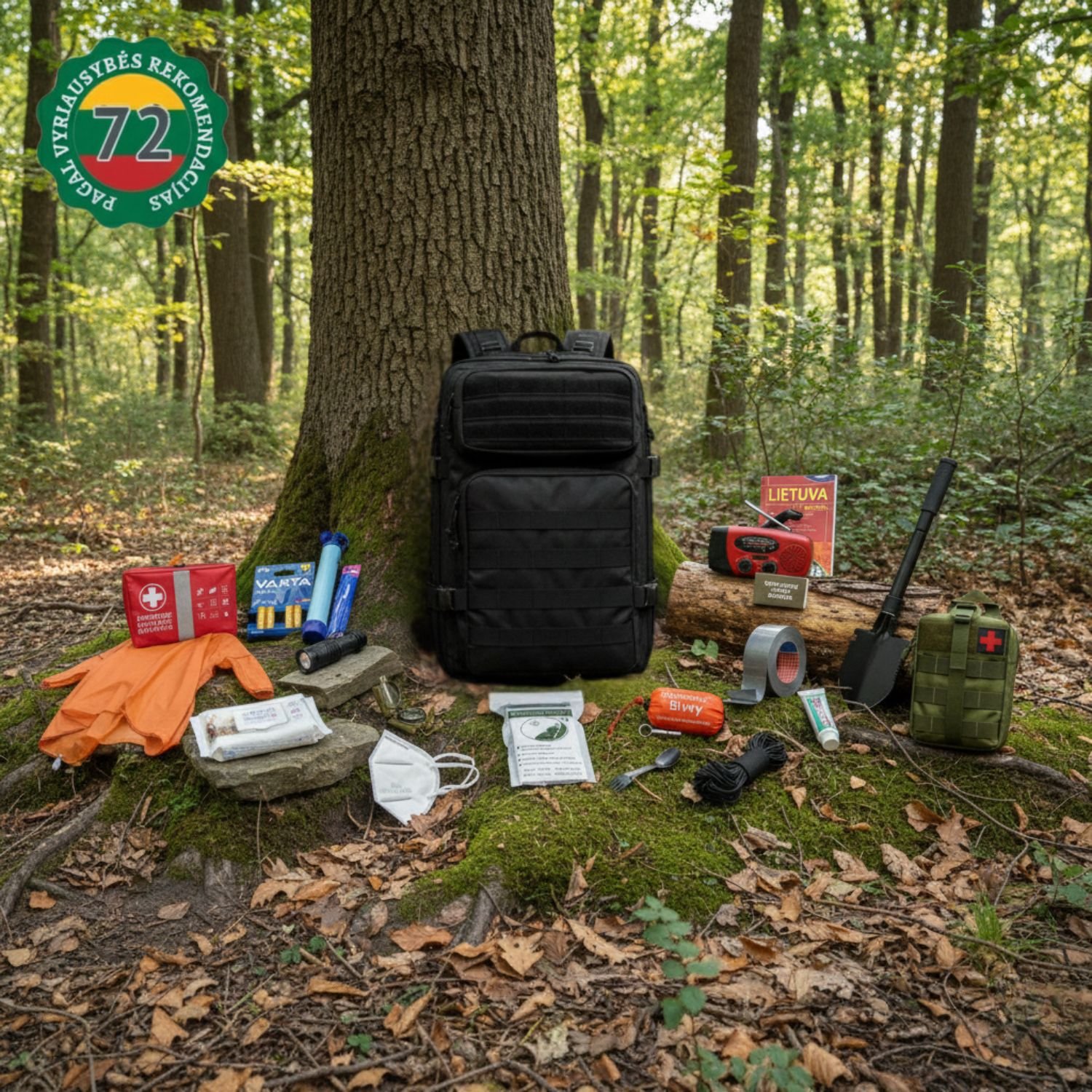
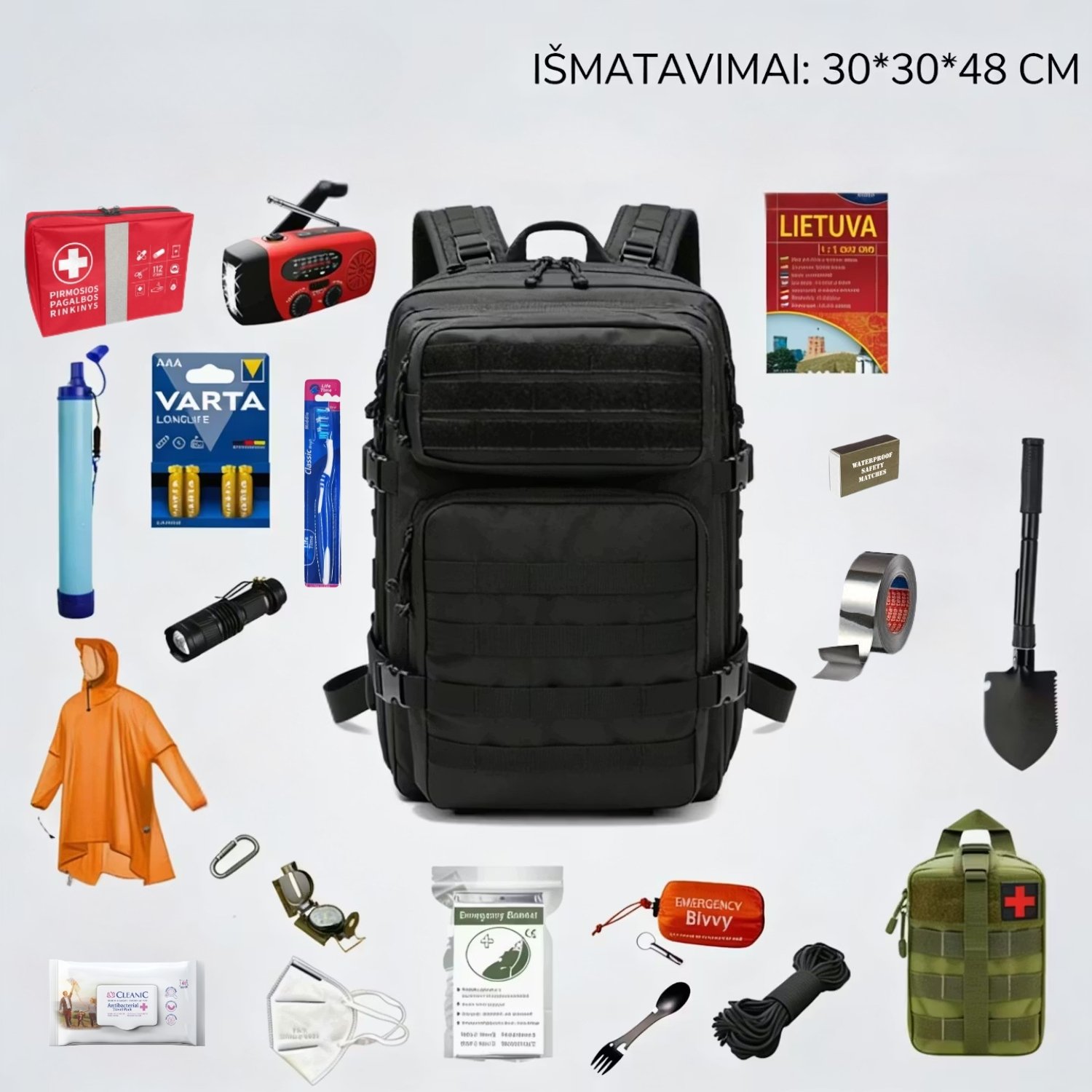
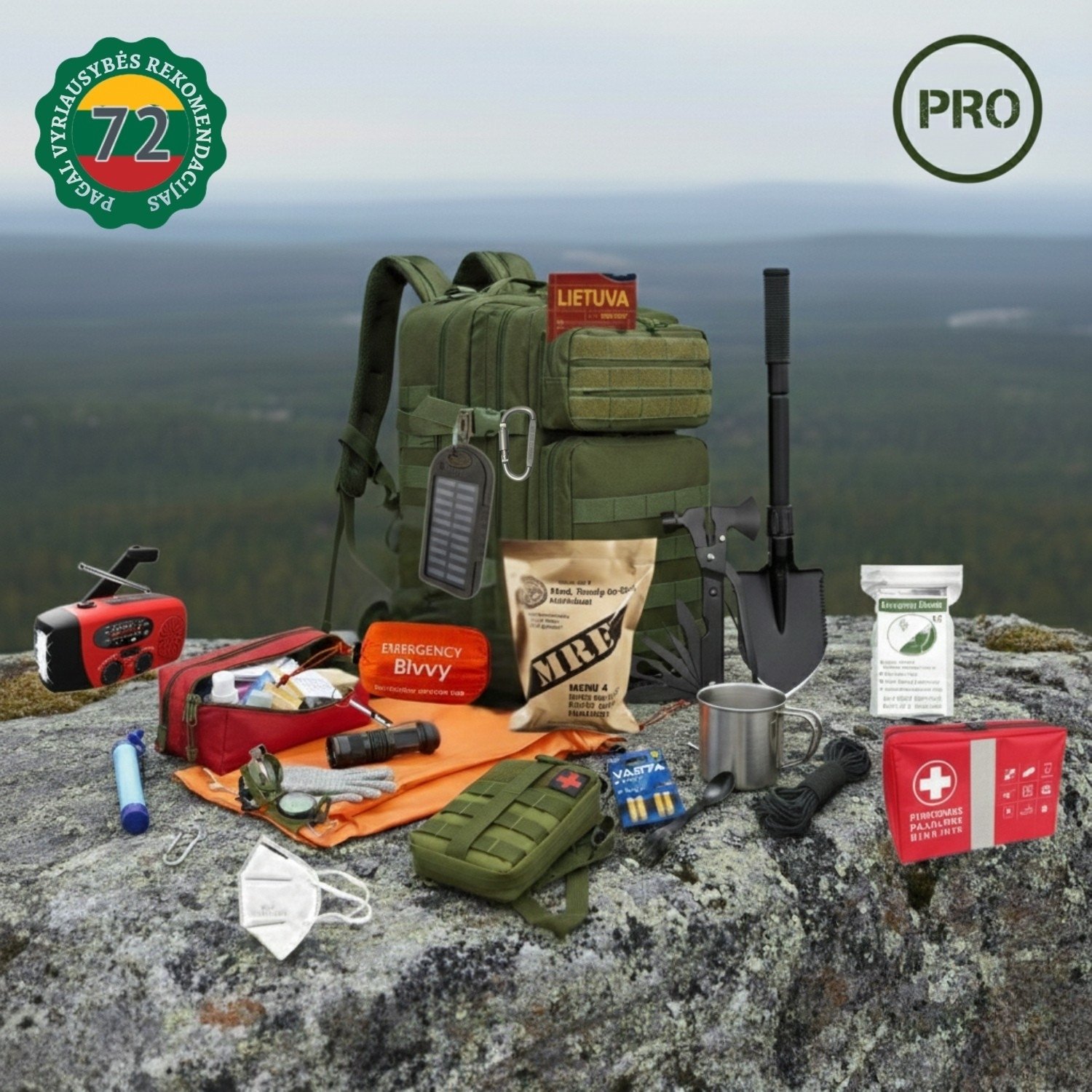
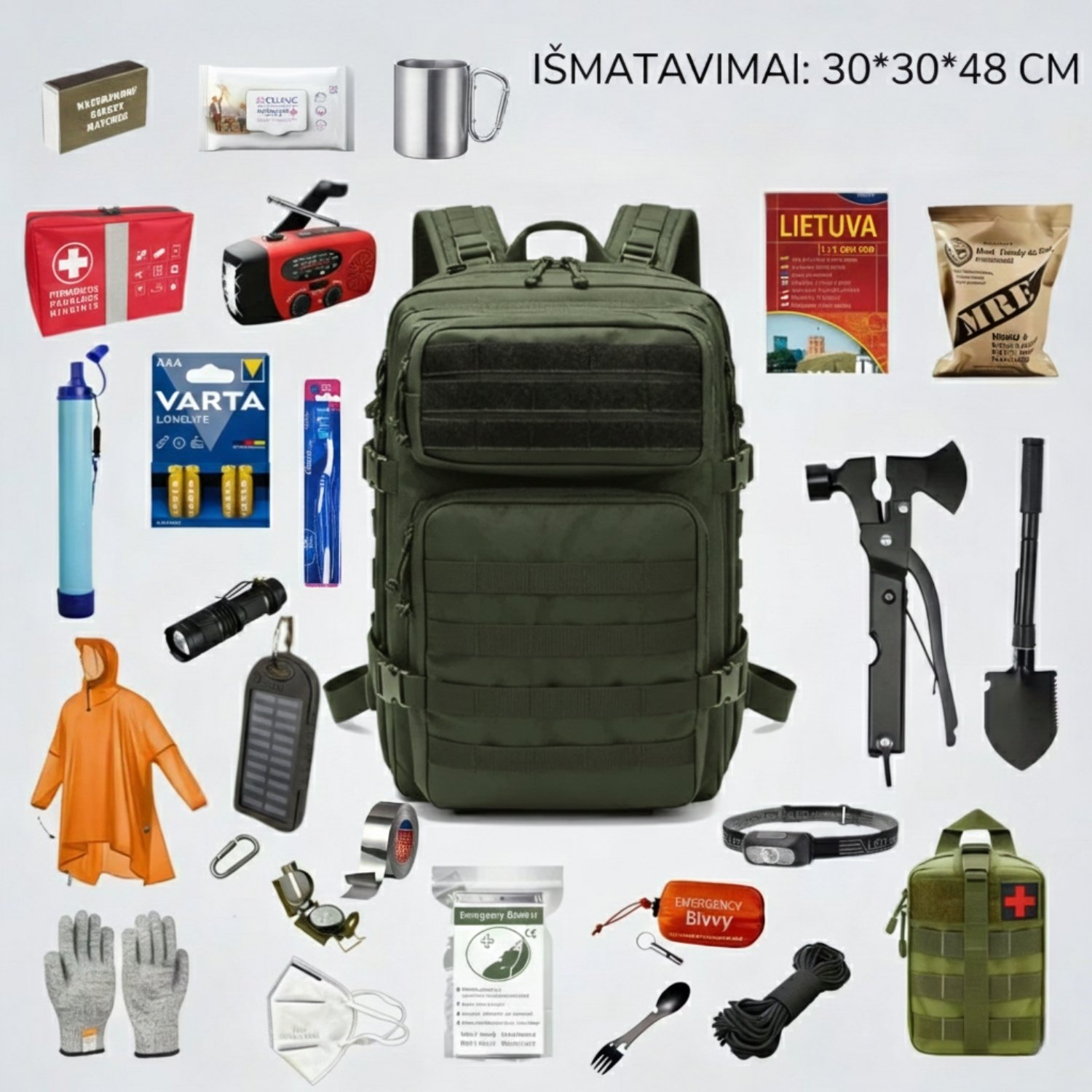
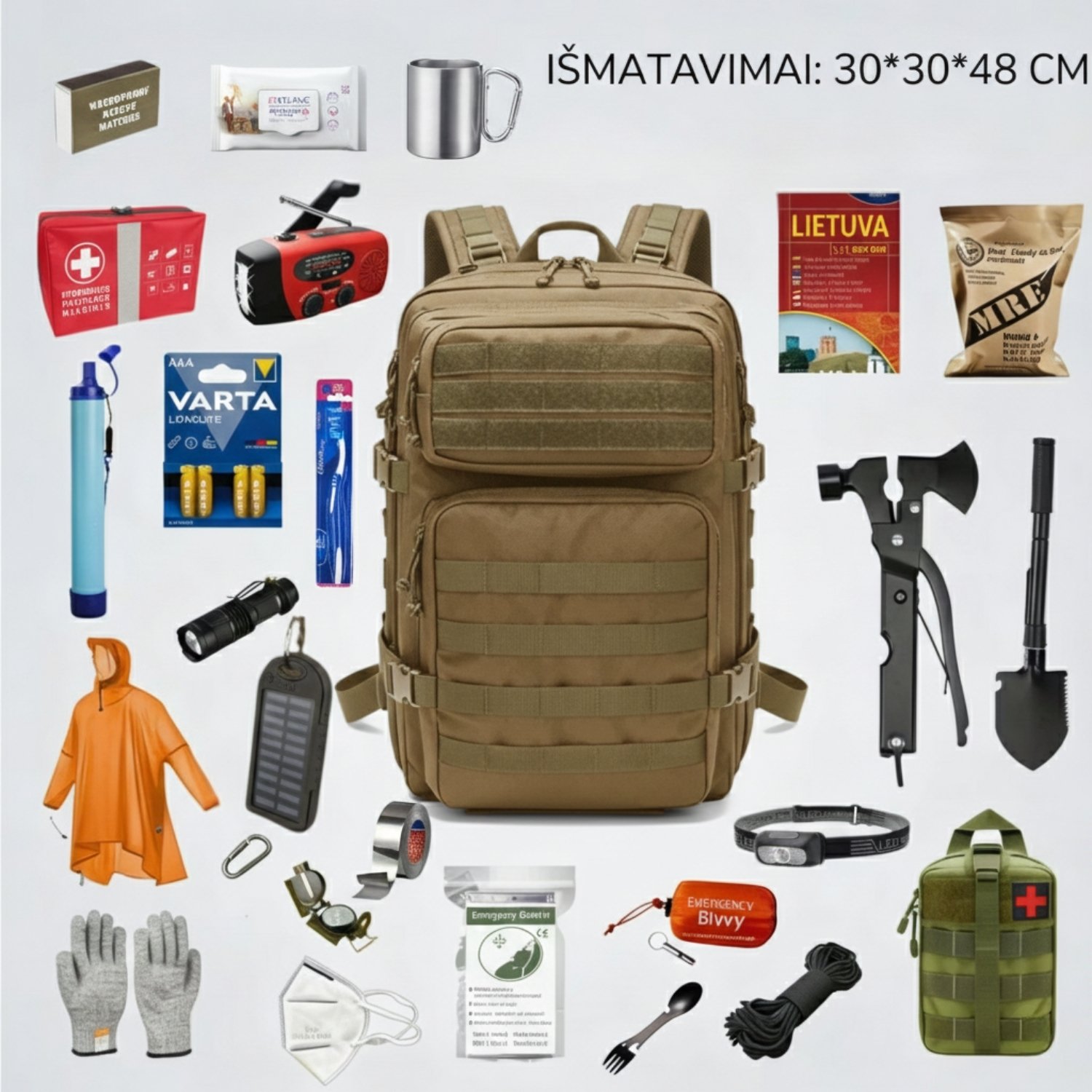
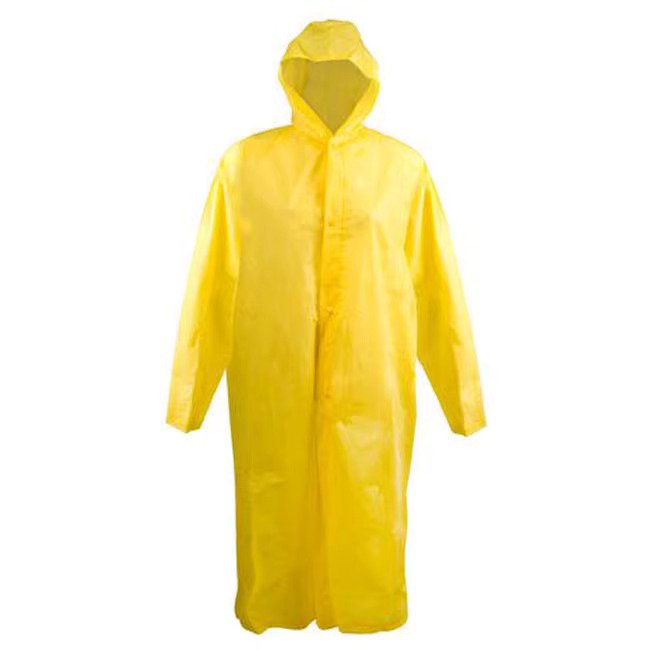
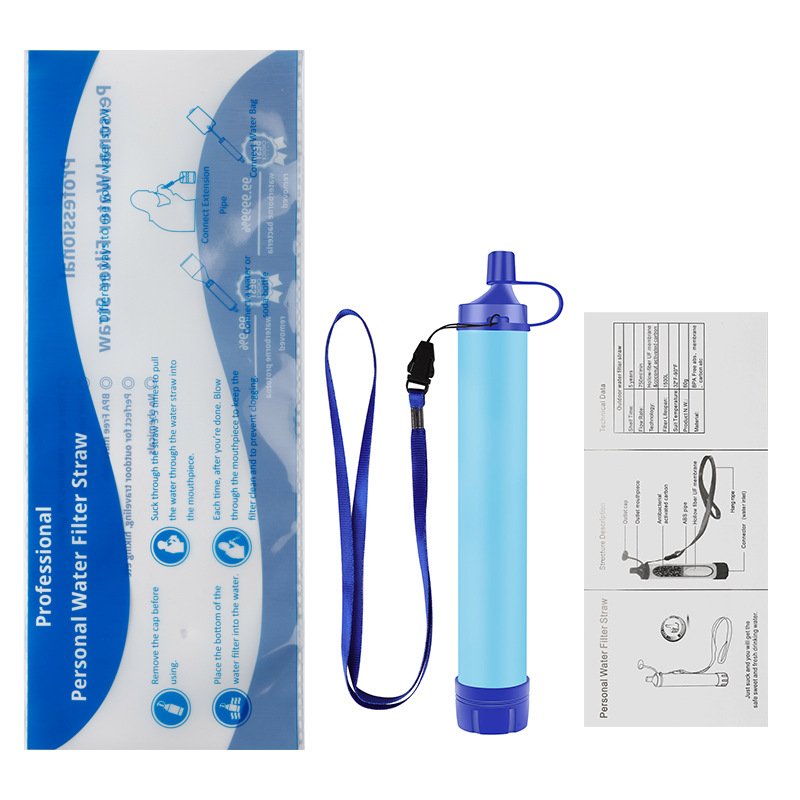
I dessa högpressade situationer är förberedelser avgörande. Det är just därför nödryggsäck är utformad: för att möjliggöra en snabb avfärd, minska stress och skydda din familj under de första tre dagarna av en kris.
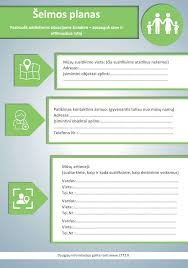
För de som bor nära industriella eller högriskobjekt är förberedelser ett delat ansvar. Det är därför go72h.com inte bara erbjuder utvalda kit utan även praktiska råd om evakueringsplanering, protokoll för familjens nödsituationer och hantering av kommunikationsbrister.
Denna historiska händelse fungerar som en påminnelse: teknik kan misslyckas och prognoser kan vara fel, men personlig förberedelse – din nödryggsäck– är något du kan kontrollera.
Viktiga lärdomar från evakueringen i Fukushima
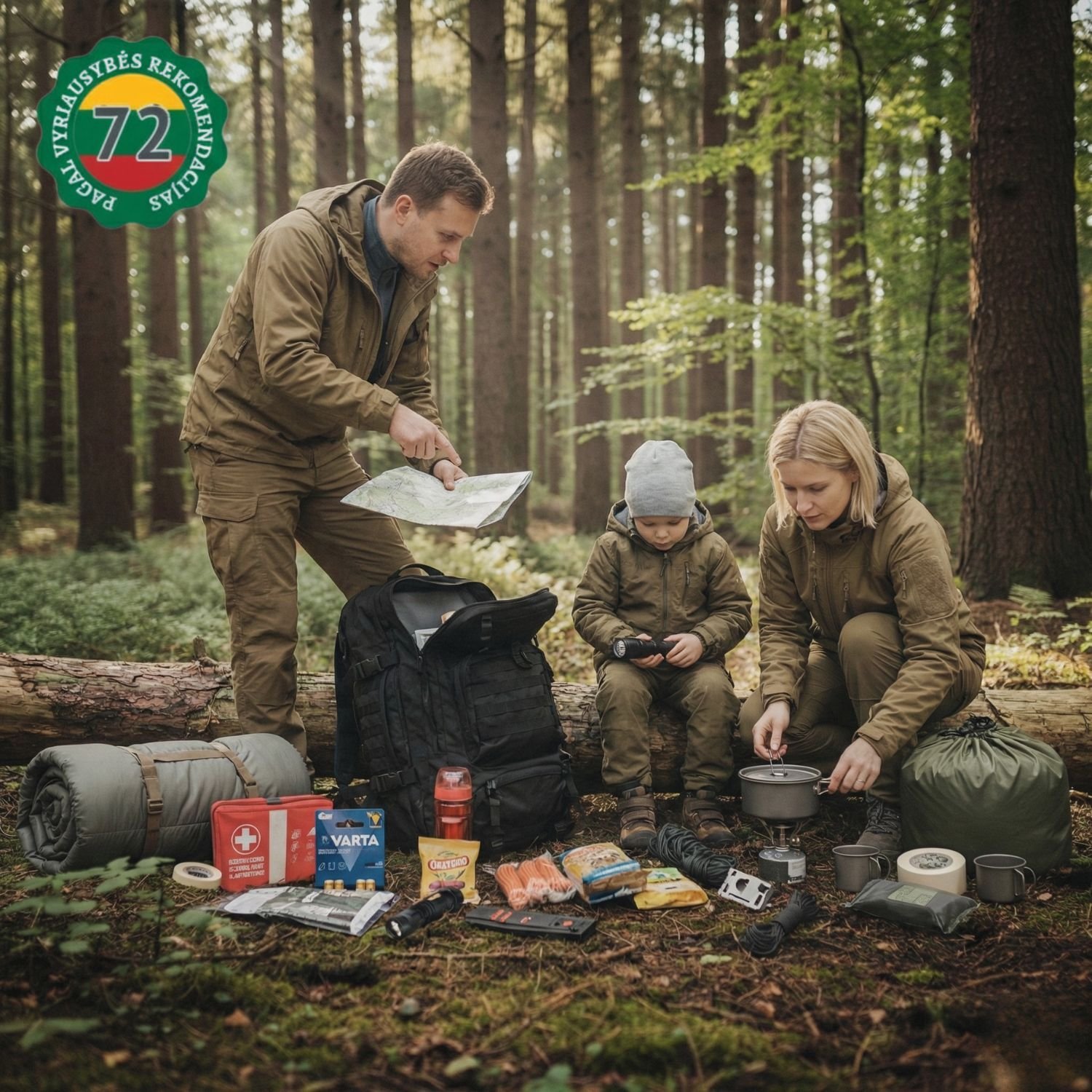
Evakueringen av Fukushima avslöjade kritiska brister i hur samhällen förbereder sig för plötsliga kärnkraftsnödsituationer. Myndigheterna hade bara delvisa planer på plats, och många invånare blev helt överraskade. Vissa familjer hade inga förnödenheter, ingen särskild mötesplats och ingen kommunikationsplan. De som ens hade en grundläggande nödutrustning var betydligt bättre rustade för att hantera de första 72 timmarna.
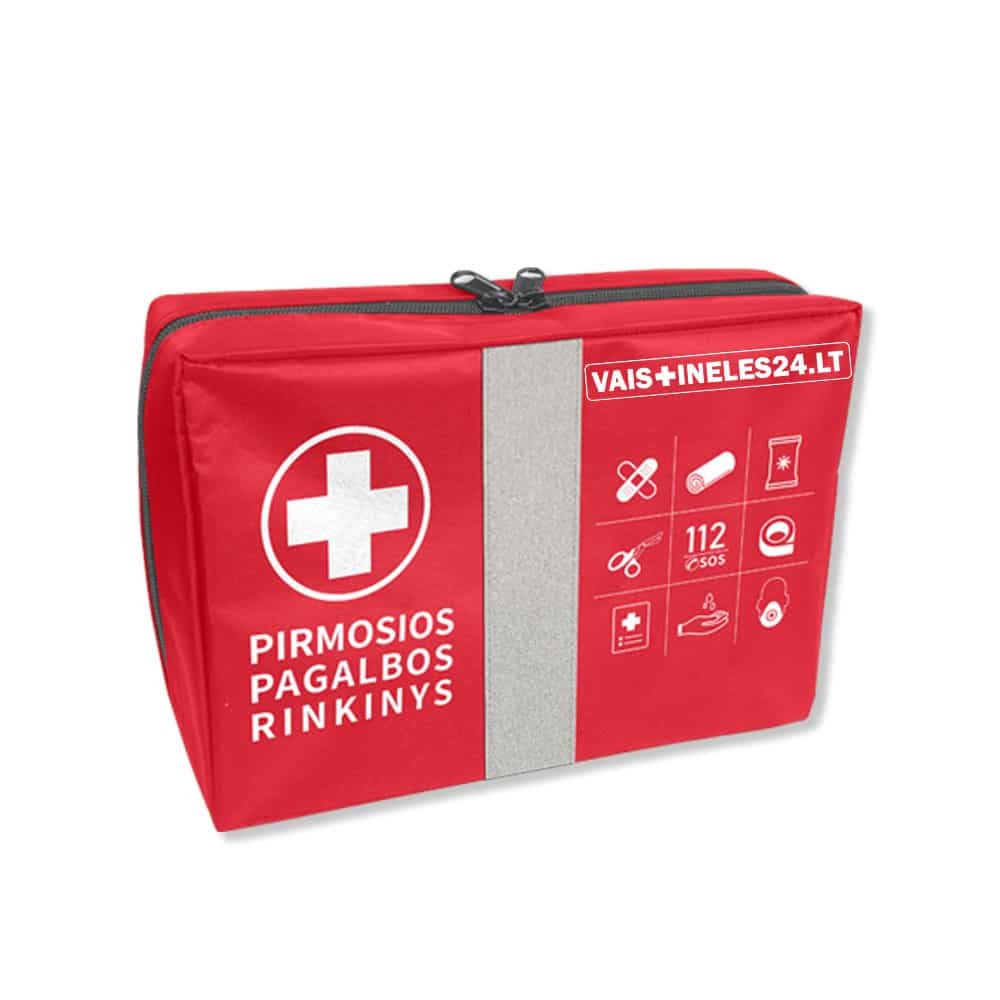
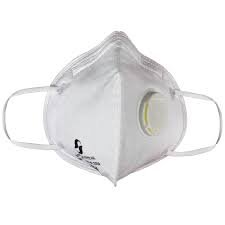
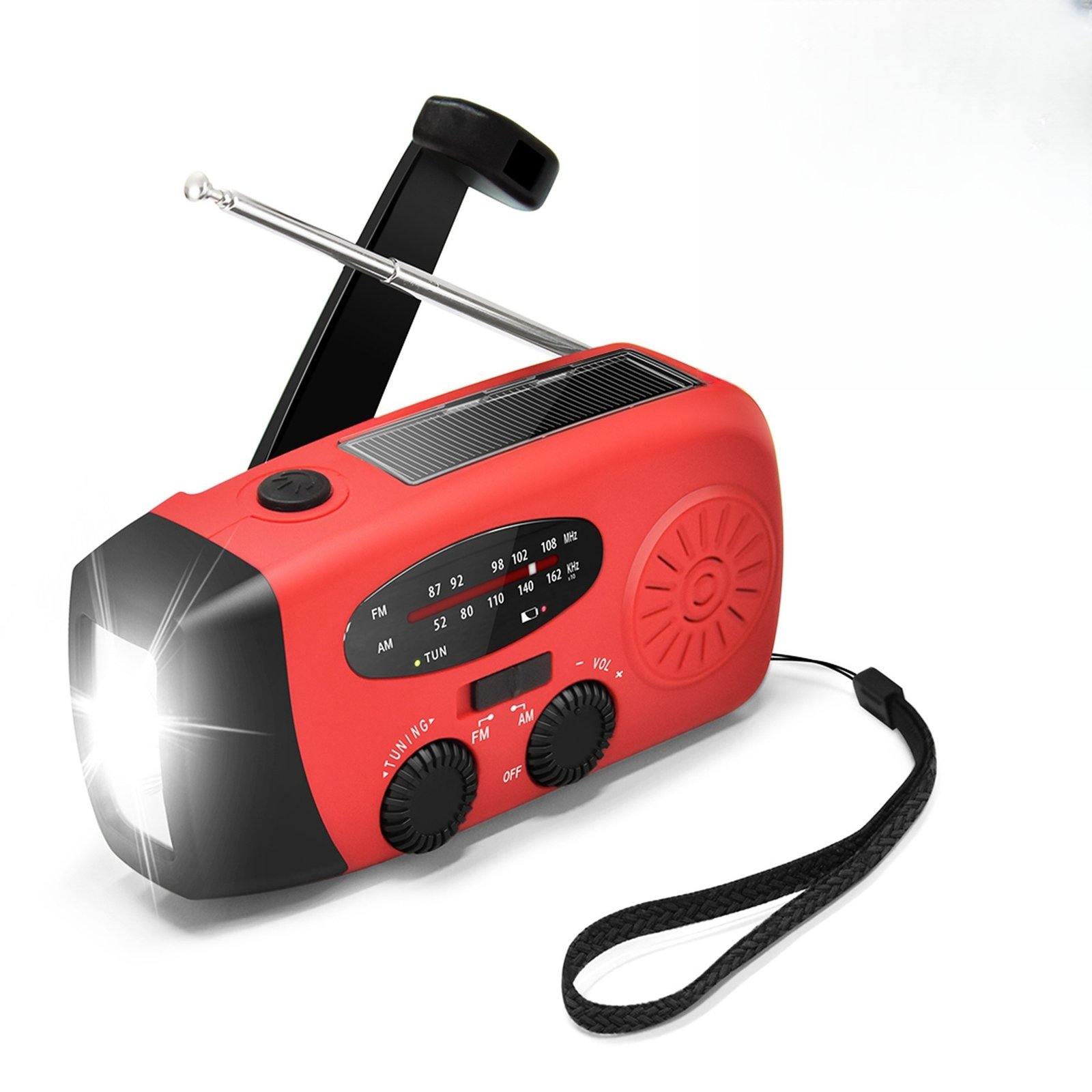
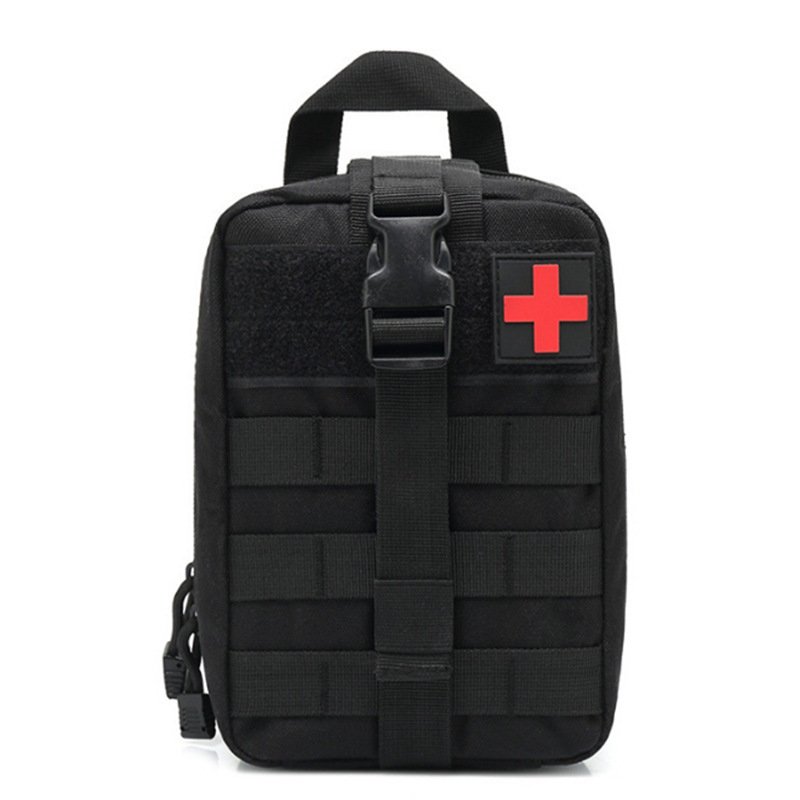
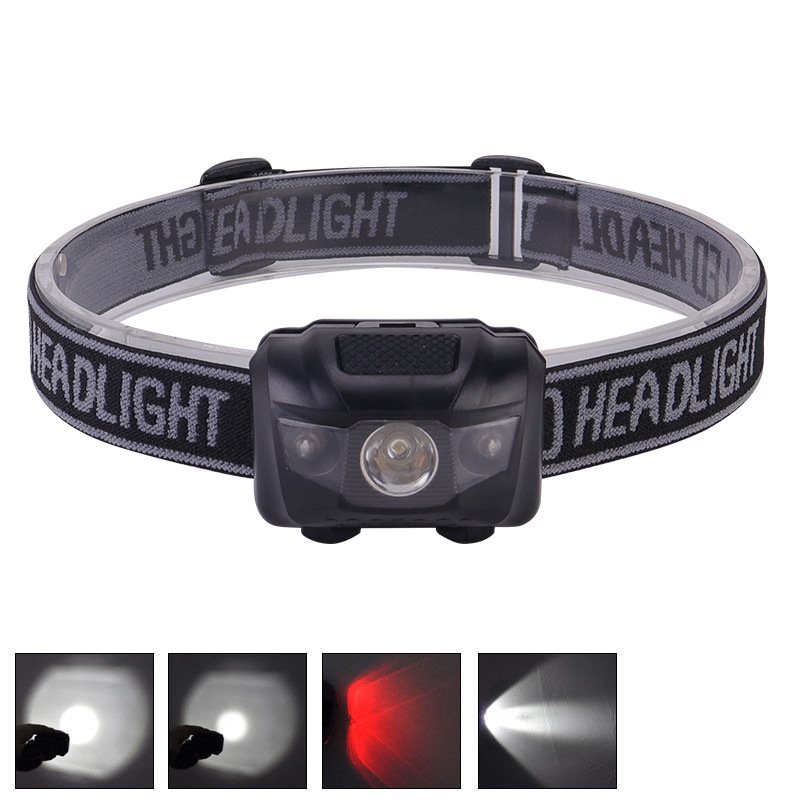
Experter rekommenderar att varje hushåll förbereder en särskild nödryggsäck innehållande minst 72 timmars nödvändiga förnödenheter. Vatten, icke-fördärvliga livsmedel, första hjälpen-artiklar, kopior av viktiga dokument, en ficklampa och en batteridriven radio är minimikrav. För familjer som bor nära industriområden eller kärnkraftsanläggningar bör även jodtabletter och N95-masker inkluderas.
Omfattningen och brådskan kring evakueringen från Fukushima belyste också vikten av samhällsomfattande åtgärder. kärnkraftsberedskap. Att veta hur nödlarm fungerar, förstå klassificeringar av evakueringszoner och ha en förutbestämd mötesplats för familjer kan spara viktiga minuter när varje sekund räknas.