The Fukushima evacuation stands as one of the most significant nuclear emergency responses in modern history. Understanding how it unfolded — and what it taught us — is critical for anyone thinking seriously about emergency preparedness and family safety planning.
The 2011 Fukushima Evacuation: How It Unfolded
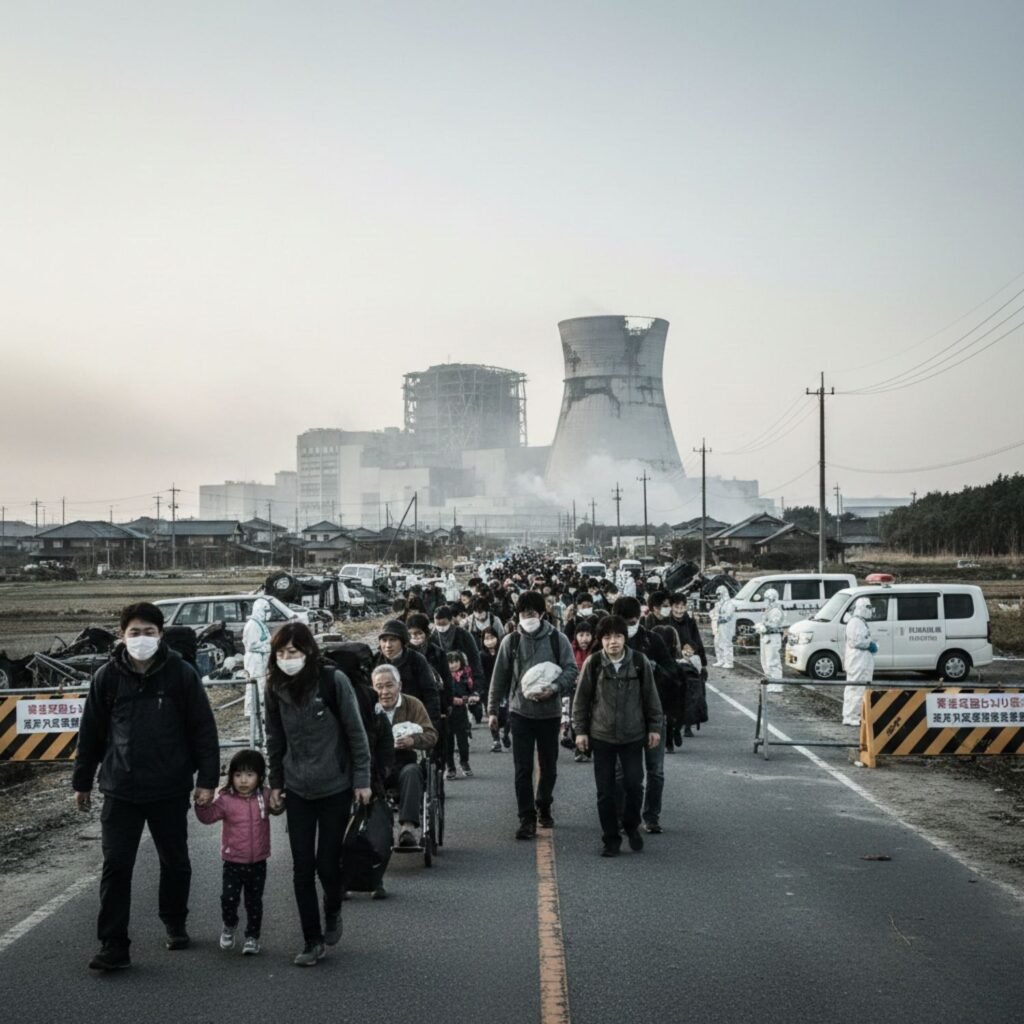
On March 11, 2011, a massive magnitude 9.0 earthquake struck, followed by a devastating tsunami. One of the most significant consequences of this catastrophe was the accident at a major nuclear power plant. This created an immediate threat of radioactive leaks, leading to one of the largest peacetime evacuations in a developed nation.
How a real evacuation unfolds
On the first day of the accident, authorities ordered residents within a 3 km radius to evacuate. Simultaneously, those within a 10 km zone were advised to shelter indoors. As the situation evolved, protection zones were rapidly expanded. Within 24 hours, the evacuation radius grew to 10 km, and shortly after, to 20 km.
In the first few days, approximately 78,000 people were evacuated from the 20 km radius, followed by another 62,000 residents from the 20–30 km zone. Eventually, over 100,000 to 150,000 people were displaced. Many were unable to return to their homes for years.
Official assessments: what do the reports show?
- The International Atomic Energy Agency (IAEA) describes the implementation of protective measures such as evacuation, sheltering indoors, and restrictions on food and water consumption in its comprehensive reports.
- The United Nations Scientific Committee (UNSCEAR) analyzed radiation doses and determined that effective doses for most residents in the first year remained within manageable levels due to timely evacuation.
- The World Health Organization (WHO) conducted health risk assessments, emphasizing that beyond physical radiation, the psychological and social impact—including PTSD, anxiety, and depression—was a significant challenge for the displaced communities.
Post-accident zoning and the road home
Following the event, the affected area was divided into specific zones based on safety levels:
- Evacuation order zone
- Restricted residence zone
- Difficult-to-return zone
By 2020, many evacuation orders were lifted as decontamination efforts progressed, though some high-impact zones remain restricted to this day.
What this means for preparedness and go72h.com
The lessons from this event show that an evacuation order can be issued extremely quickly—residents may have only minutes or a few hours to prepare.
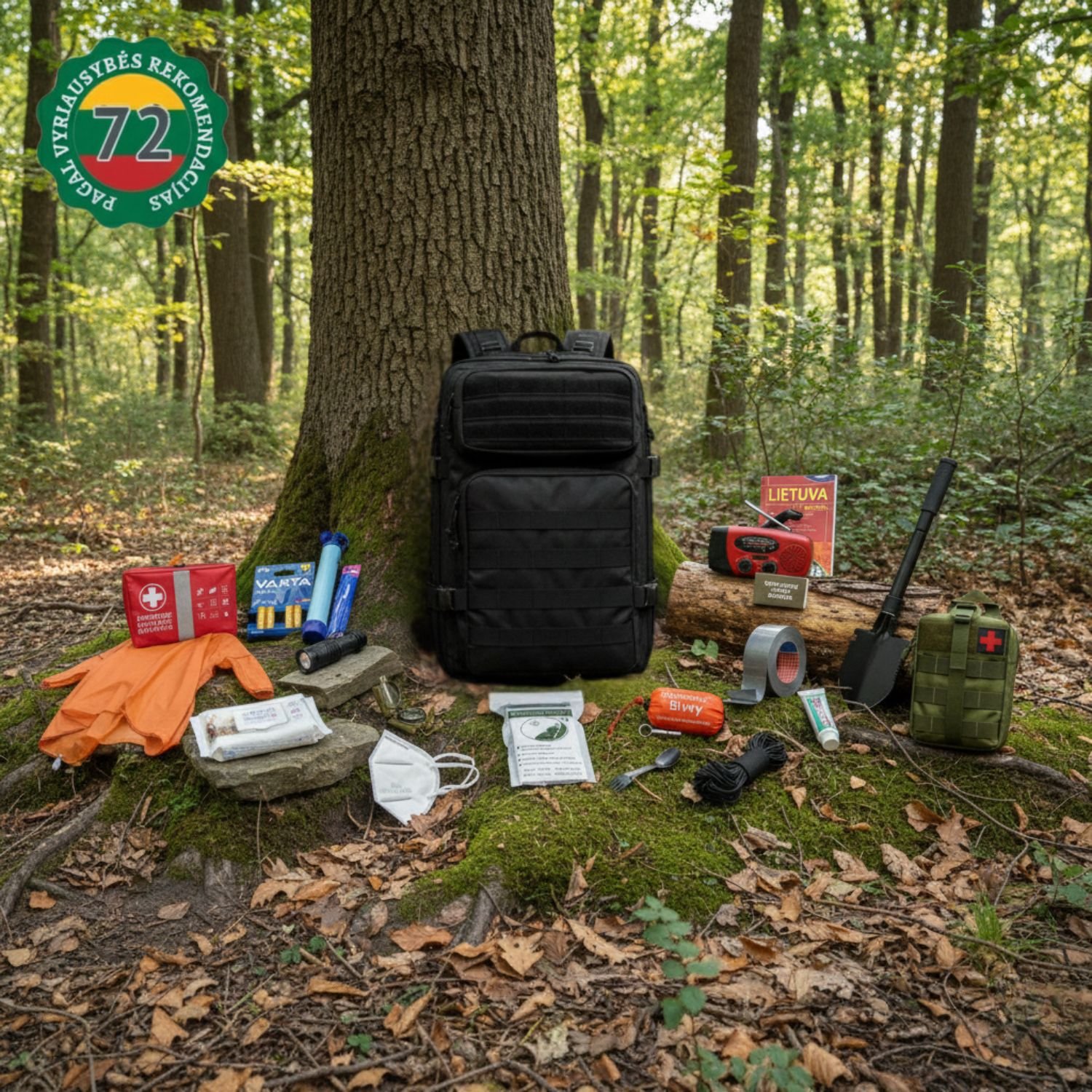
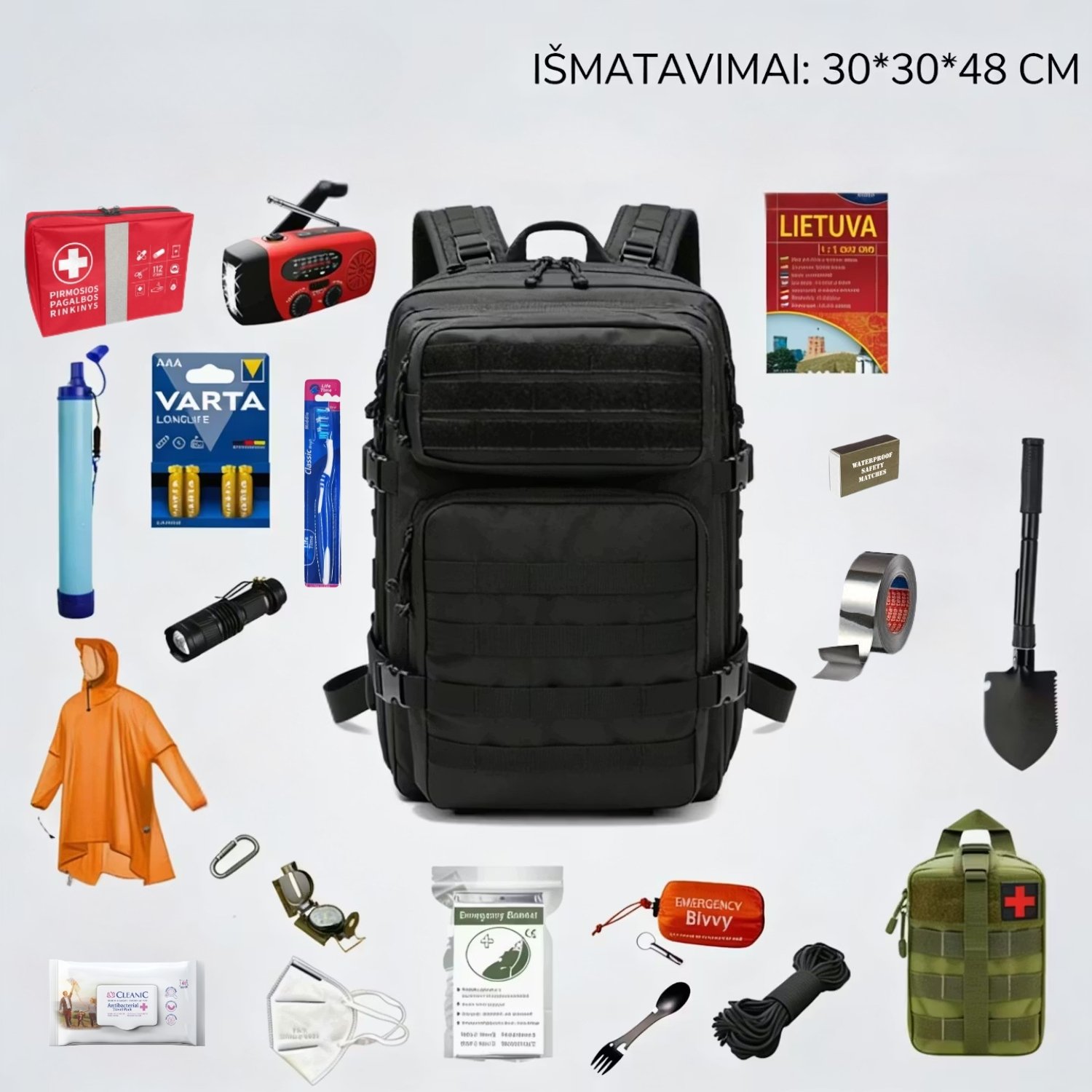
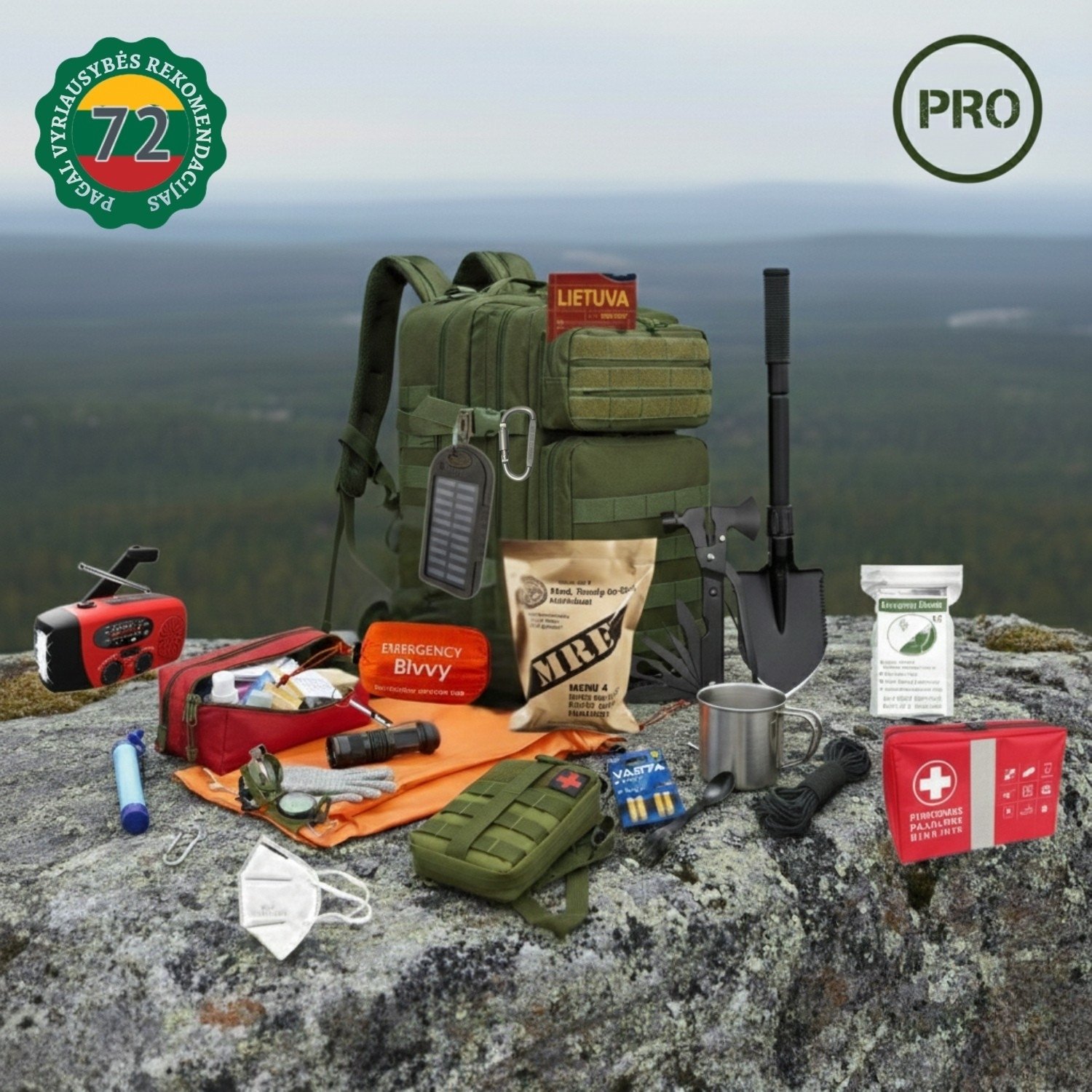
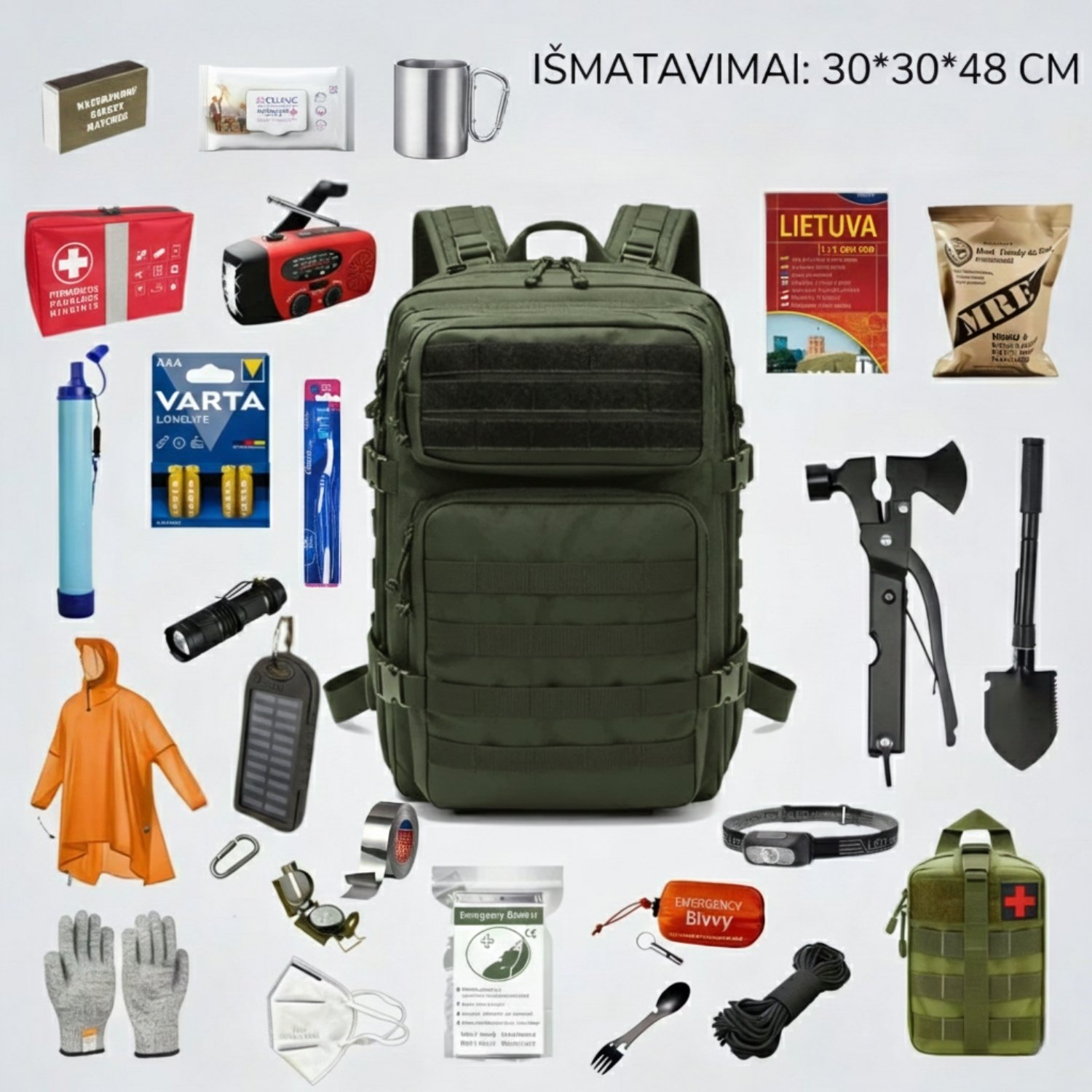
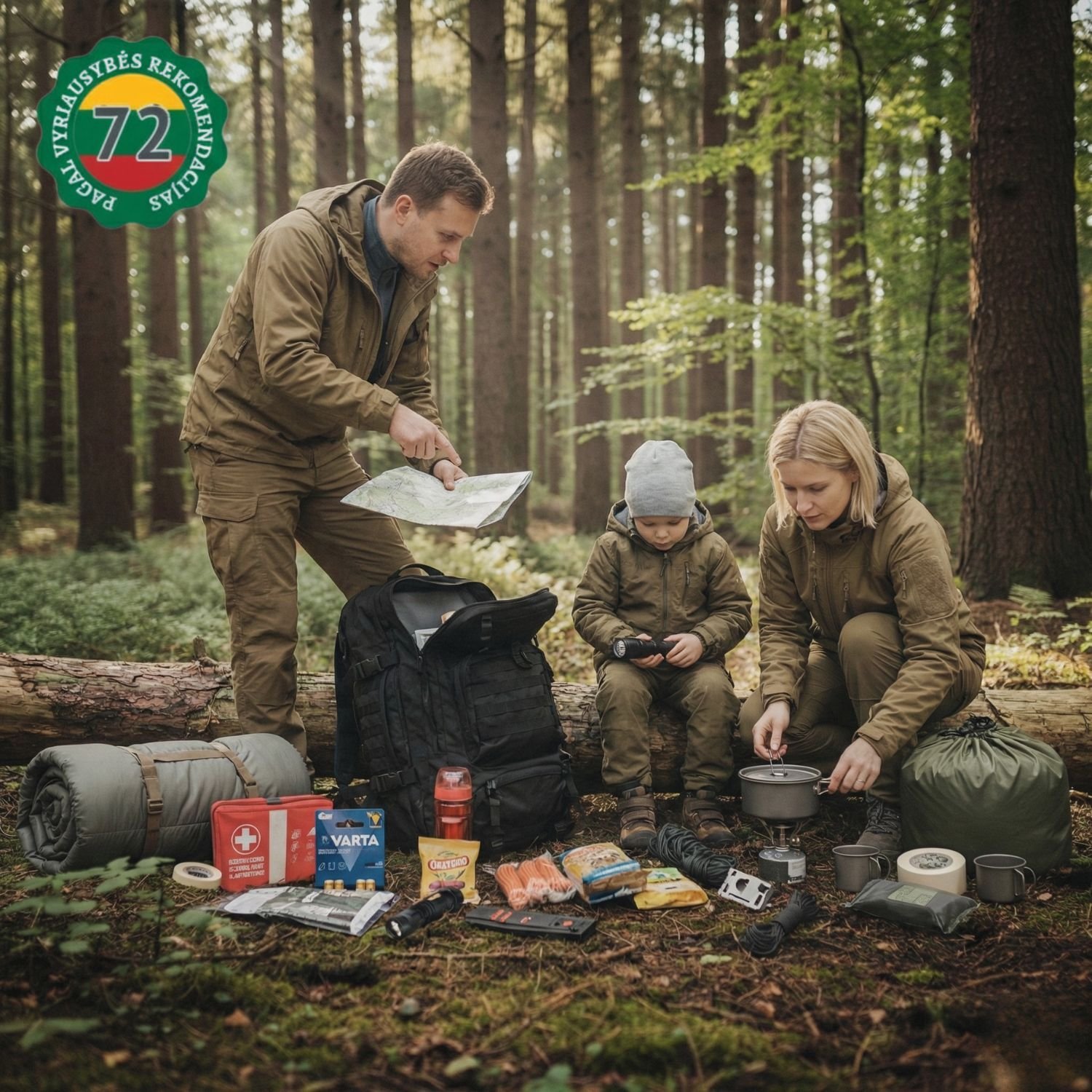
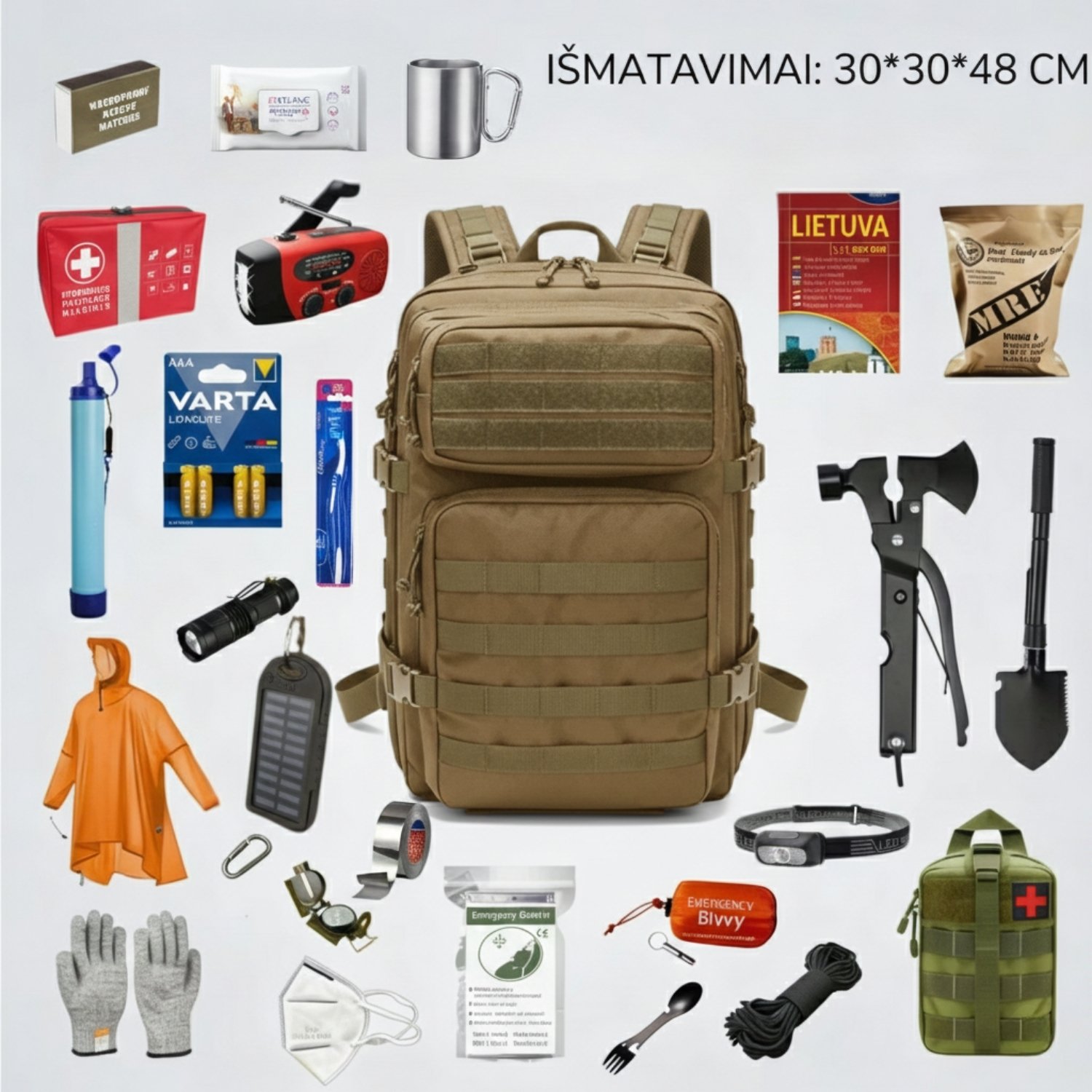
In these high-pressure situations, prior preparation is critical. This is exactly why the emergency backpack is designed: to allow for a rapid departure, reduce stress, and protect your family during the first three days of a crisis.
For those living near industrial or high-risk objects, preparation is a shared responsibility. This is why go72h.com provides not only curated kits but also practical advice on evacuation planning, family emergency protocols, and managing communication failures.
This historical event serves as a reminder: technology can fail and forecasts can be wrong, but personal preparation—your emergency backpack—is something you can control.
Key Lessons from the Fukushima Evacuation
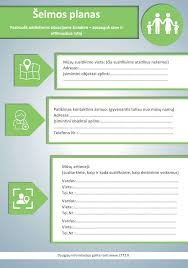
The Fukushima evacuation revealed critical gaps in how communities prepare for sudden nuclear emergencies. Authorities had only partial plans in place, and many residents were caught completely off-guard. Some families had no supplies, no designated meeting point, and no communication plan. Those who had even a basic emergency kit were significantly better equipped to manage the first 72 hours.
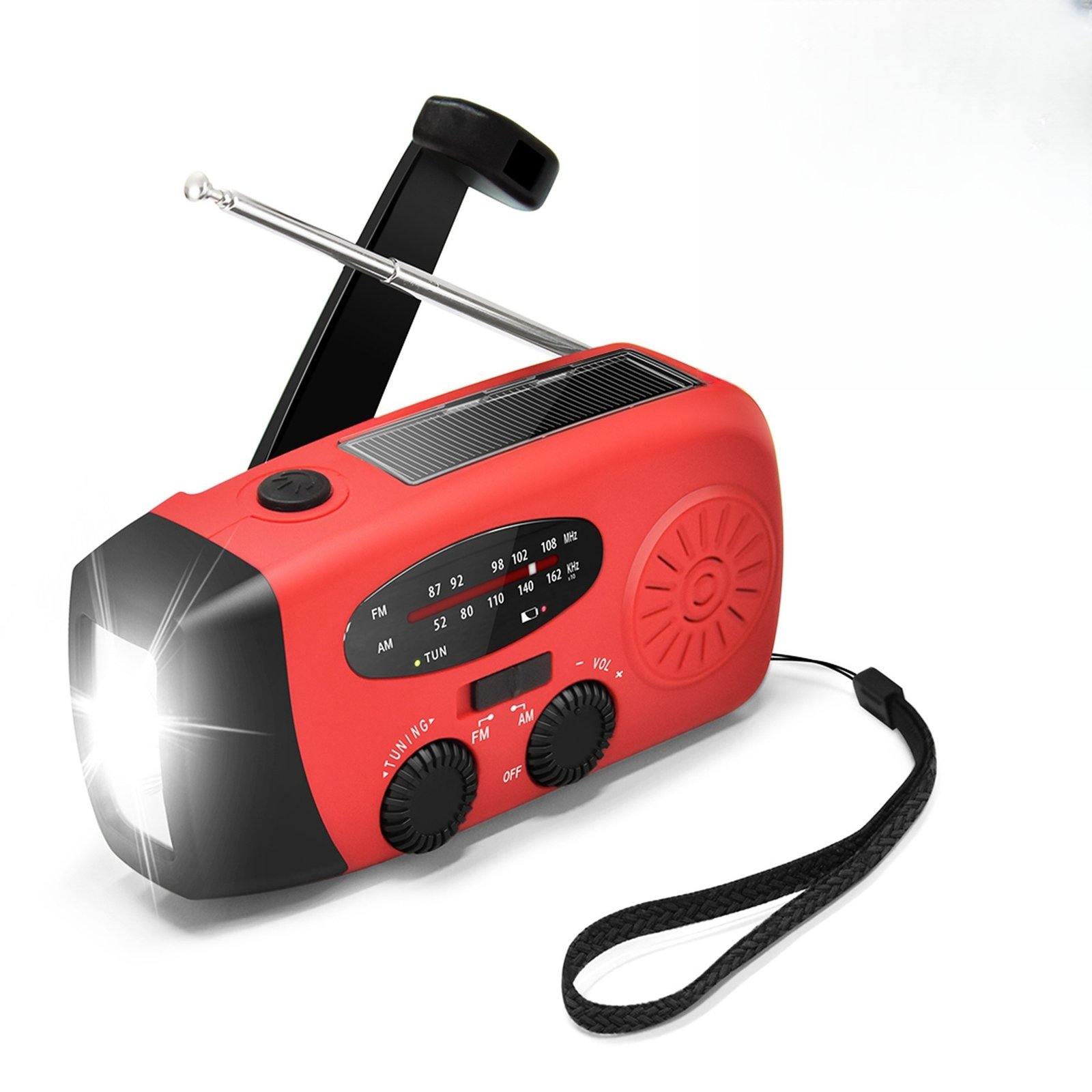
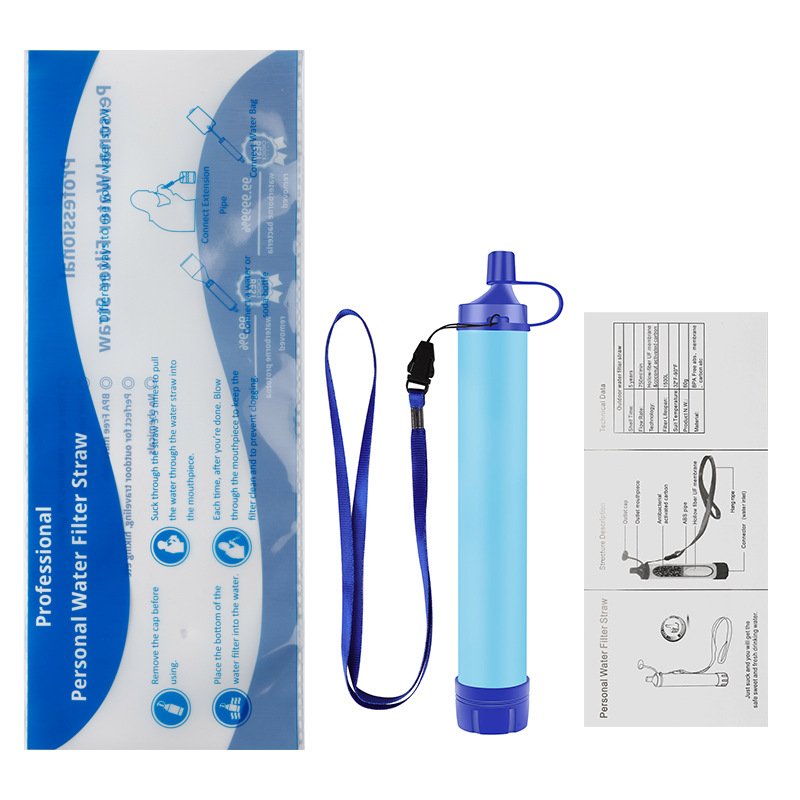
Experts recommend that every household prepare a dedicated emergency backpack containing at least 72 hours of essential supplies. Water, non-perishable food, first aid items, copies of important documents, a flashlight, and a battery-powered radio are minimum requirements. For families living near industrial zones or nuclear facilities, iodine tablets and N95 masks should also be included.
The scale and urgency of the Fukushima evacuation also highlighted the importance of community-wide nuclear preparedness. Knowing how emergency alerts work, understanding evacuation zone classifications, and having a pre-determined family meeting point can save critical minutes when every second counts.