Nukleare Vorsorge bedeutet, für einen Notfall gerüstet zu sein. Seit Jahren ist die Präsenz von Kernkraftwerken in regionalen Infrastrukturen ein zentrales Thema der Diskussion um die zivile Sicherheit. Obwohl diese Anlagen im Normalbetrieb in der Regel in Betrieb sind, rücken sie aufgrund ihrer geografischen Lage und der Natur der Kernenergie in den Fokus der nationalen Sicherheitsvorkehrungen. Zivilschutzplanung und Strategien zur Öffentlichkeitsarbeit.
Offizielle Richtlinien decken oft alles ab, von Informationsverfahren bis hin zur individuellen Bereitschaft. Deshalb sind Strahlenschutzzentren und Aufsichtsbehörden für die Sicherheit von Kernkraftwerken Die Sensibilisierung der Öffentlichkeit sollte Priorität haben – um sicherzustellen, dass Sicherheit eine proaktive Gewohnheit bleibt und nicht eine reaktive Angst auslöst.
Warum wird die nukleare Bereitschaft im Normalbetrieb so stark betont?
Die Kernenergie unterliegt höchsten Sicherheitsstandards, dennoch erfordern selbst seltene Ereignisse klare, im Voraus festgelegte Maßnahmen. Deshalb wird der Vorbereitung auf verschiedene Szenarien so viel Aufmerksamkeit gewidmet, unabhängig davon, wie gering deren Eintrittswahrscheinlichkeit auch sein mag.
Offizielle Institutionen bewerten typischerweise:
- Wie Informationen an die Öffentlichkeit weitergegeben werden.
- Die Wirksamkeit von Frühwarnsysteme.
- Welche Schutzmaßnahmen sollten in den ersten Stunden eines Ereignisses angewendet werden?.
Dieser Ansatz ist nicht auf die nukleare Sicherheit beschränkt – ähnliche Zivilschutzmaßnahmen sind geplant für extreme Wetterbedingungen, Industrieunfälle oder größere Stromausfälle.
Die Rolle offizieller Pläne und Richtlinien
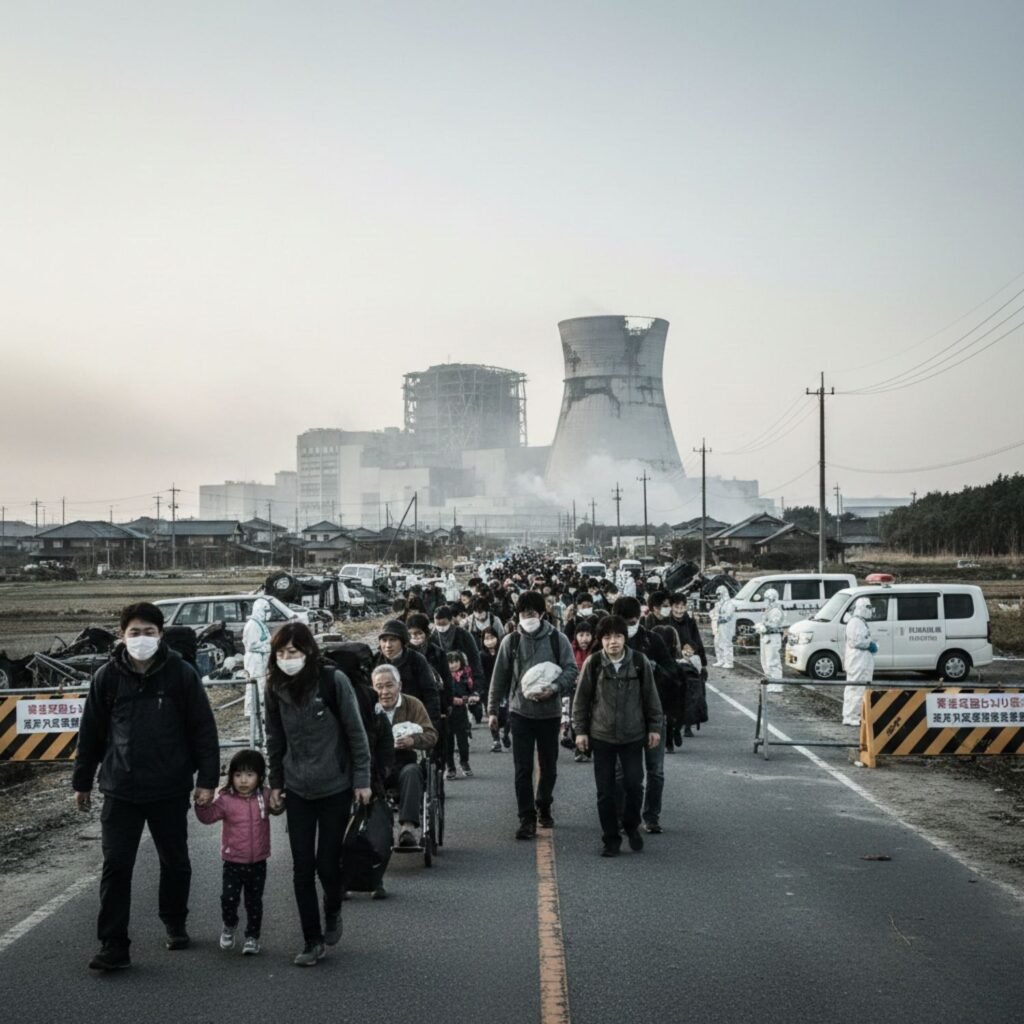
Sicherheitsbehörden unterhalten detaillierte Managementpläne für radiologische Ereignisse. Diese Pläne umfassen die Information der Öffentlichkeit, Empfehlungen zum Aufsuchen von Schutzräumen und den Einsatz von … Jodpräparate, und mögliche Evakuierungsverfahren für bestimmte Gebiete.
Ziel jedes Zivilschutzsystems ist es, Klarheit zu schaffen. Diese Pläne werden regelmäßig aktualisiert, um sicherzustellen, dass die Bevölkerung im Notfall genau weiß, was zu tun ist, und Panik durch organisiertes Handeln ersetzt.
Warum sind die ersten 72 Stunden so entscheidend?
Internationale Erfahrungen zeigen, dass zu Beginn jeder größeren Krise die Zeit der entscheidendste Faktor ist. Unabhängig von der Art des Ereignisses werden die ersten Tage oft damit verbracht:
- Informationen sammeln und überprüfen.
- Koordinierung großangelegter Reaktionsmaßnahmen.
- Die Situation stabilisieren.
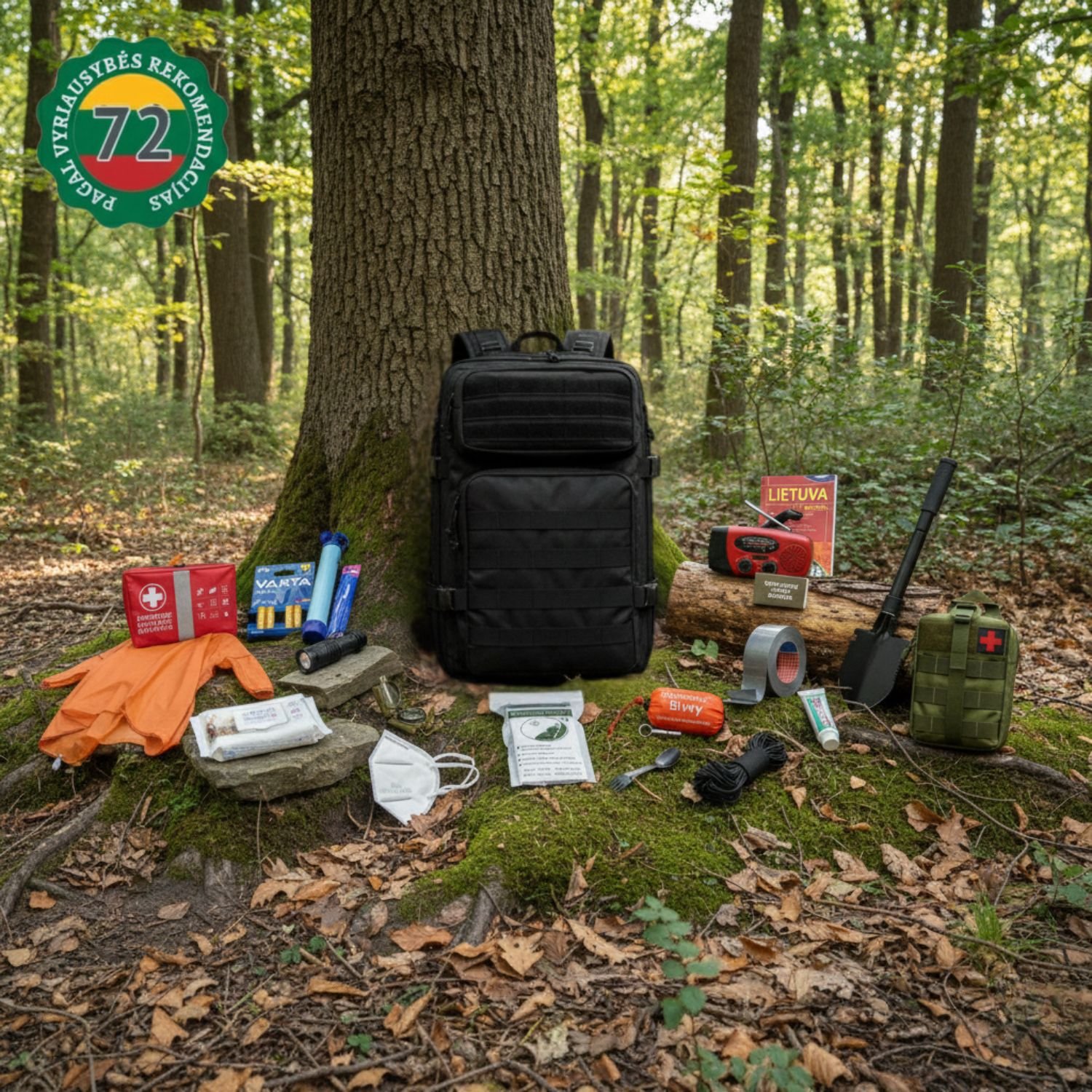
Daher, Zivilschutz Die Empfehlungen betonen ein 72-Stunden-Fenster Während dieser Zeit sollten die Bewohner in der Lage sein, ihre grundlegendsten Bedürfnisse selbstständig zu befriedigen. Dieses Prinzip ist ein Eckpfeiler moderner Katastrophenvorsorge.
Was bedeutet das für den Alltag?
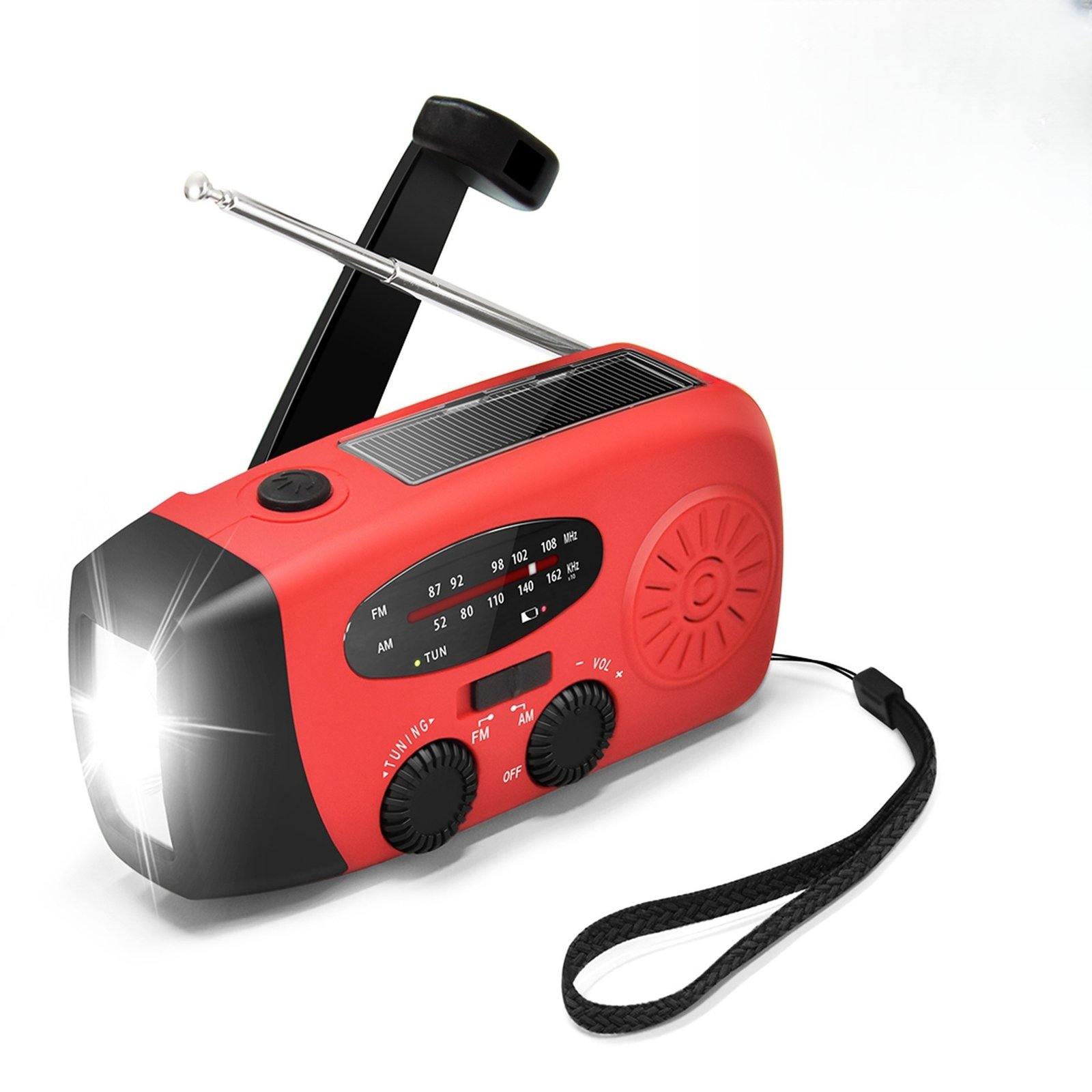
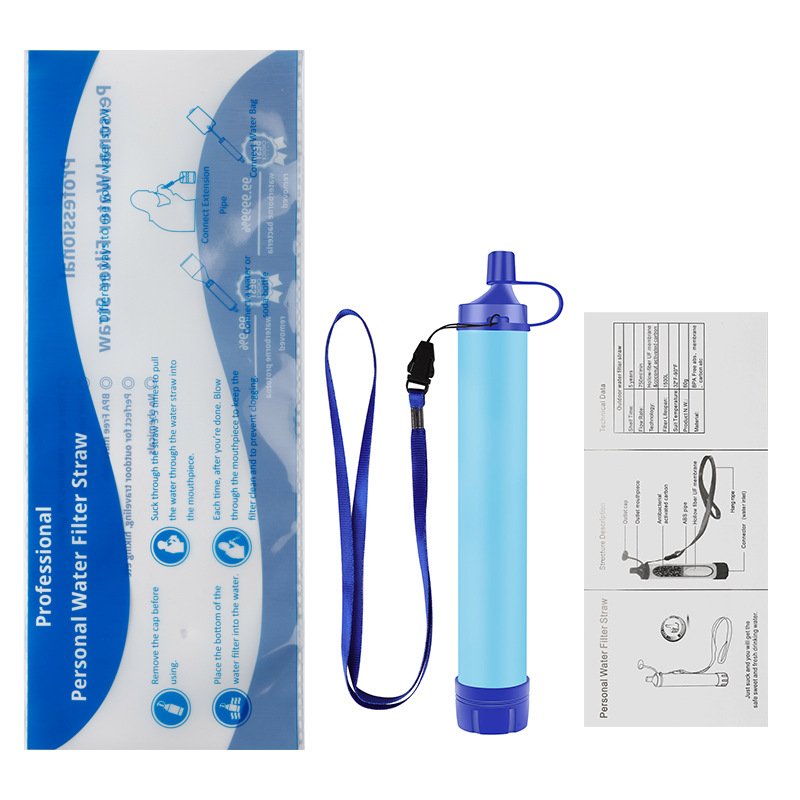
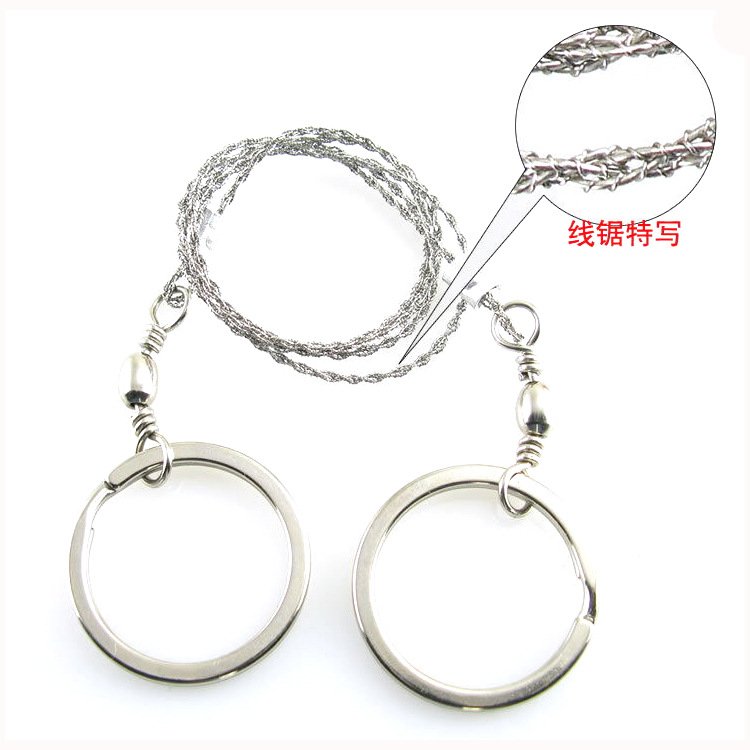
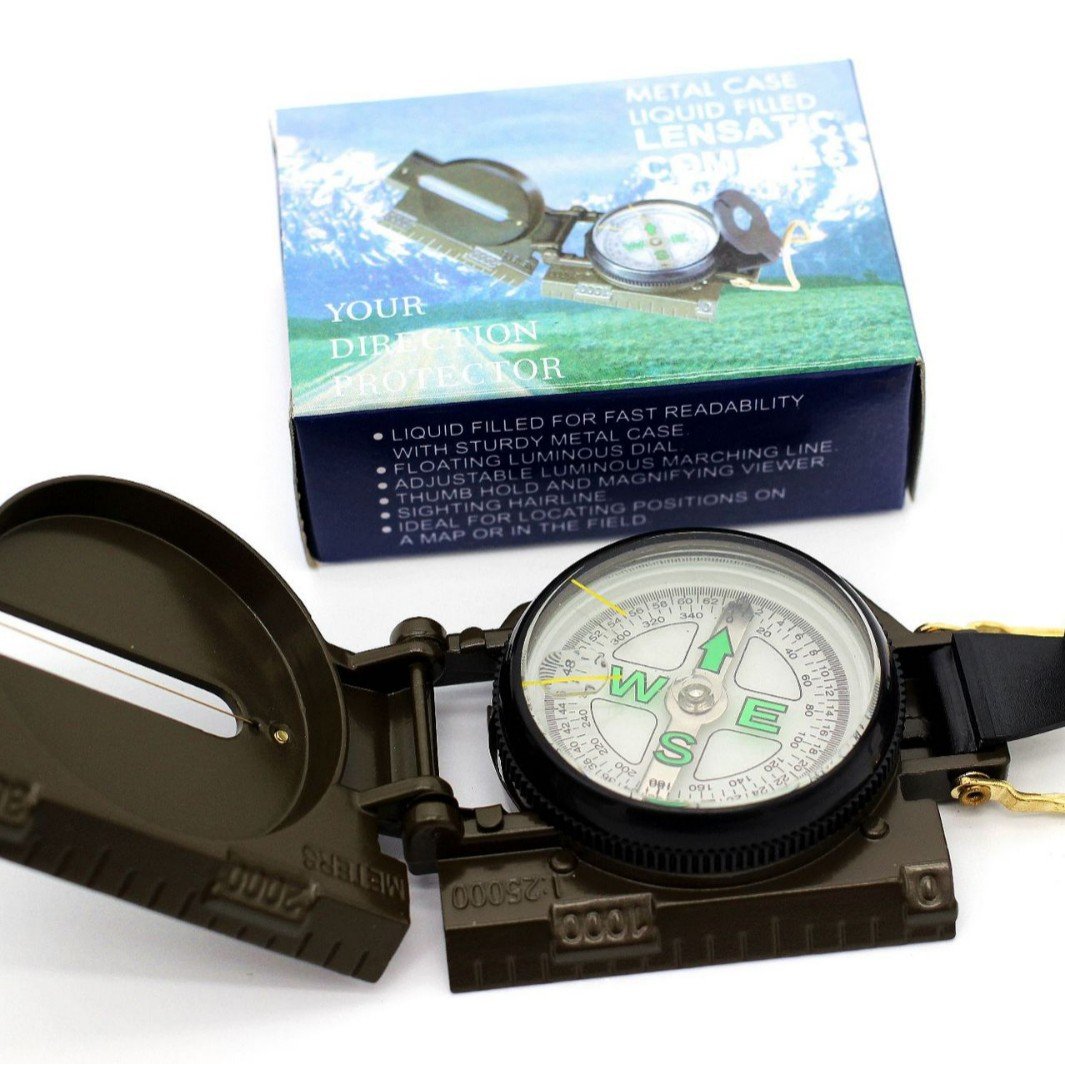
Vorsorge bedeutet nicht, auf den schlimmsten Fall zu warten. Es ist ein ruhiger, pragmatischer Planungsprozess, der weit über den Bereich der Kernenergie hinaus nützlich ist. Die Bevorratung mit Dokumenten, Wasser, Lebensmitteln, Medikamenten, Beleuchtung und Kommunikationsgeräten kann in vielen Situationen hilfreich sein.
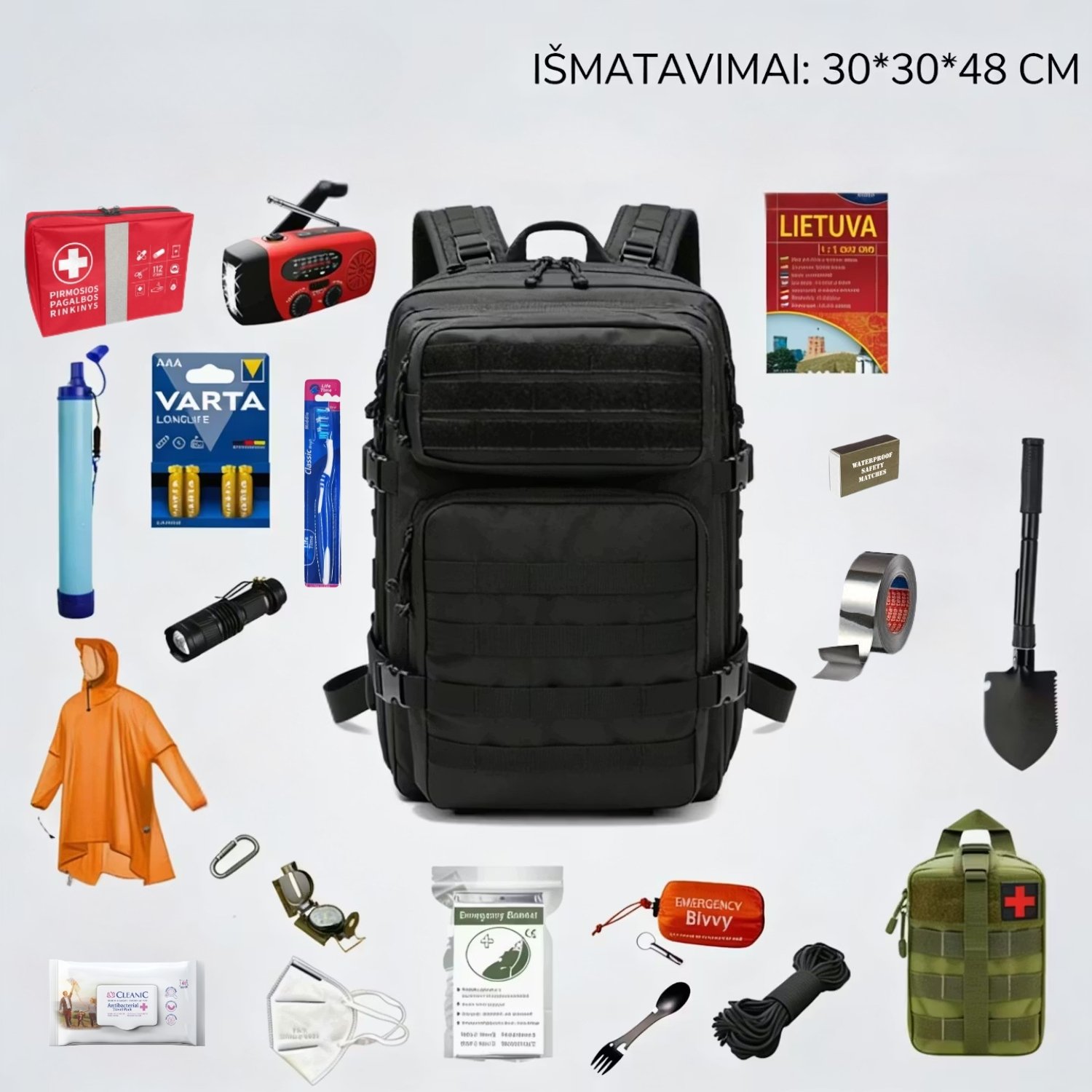
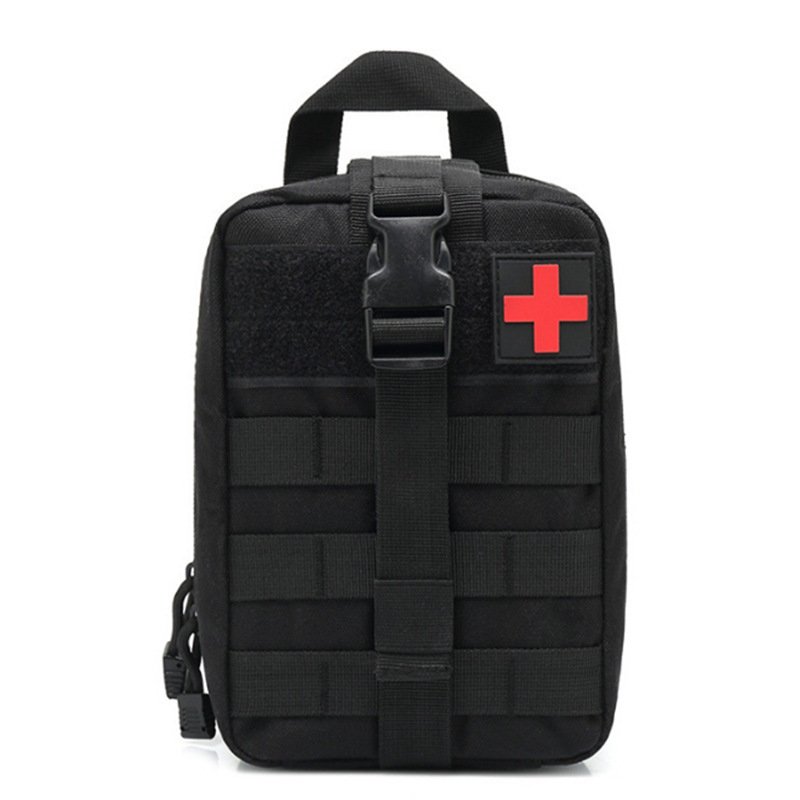
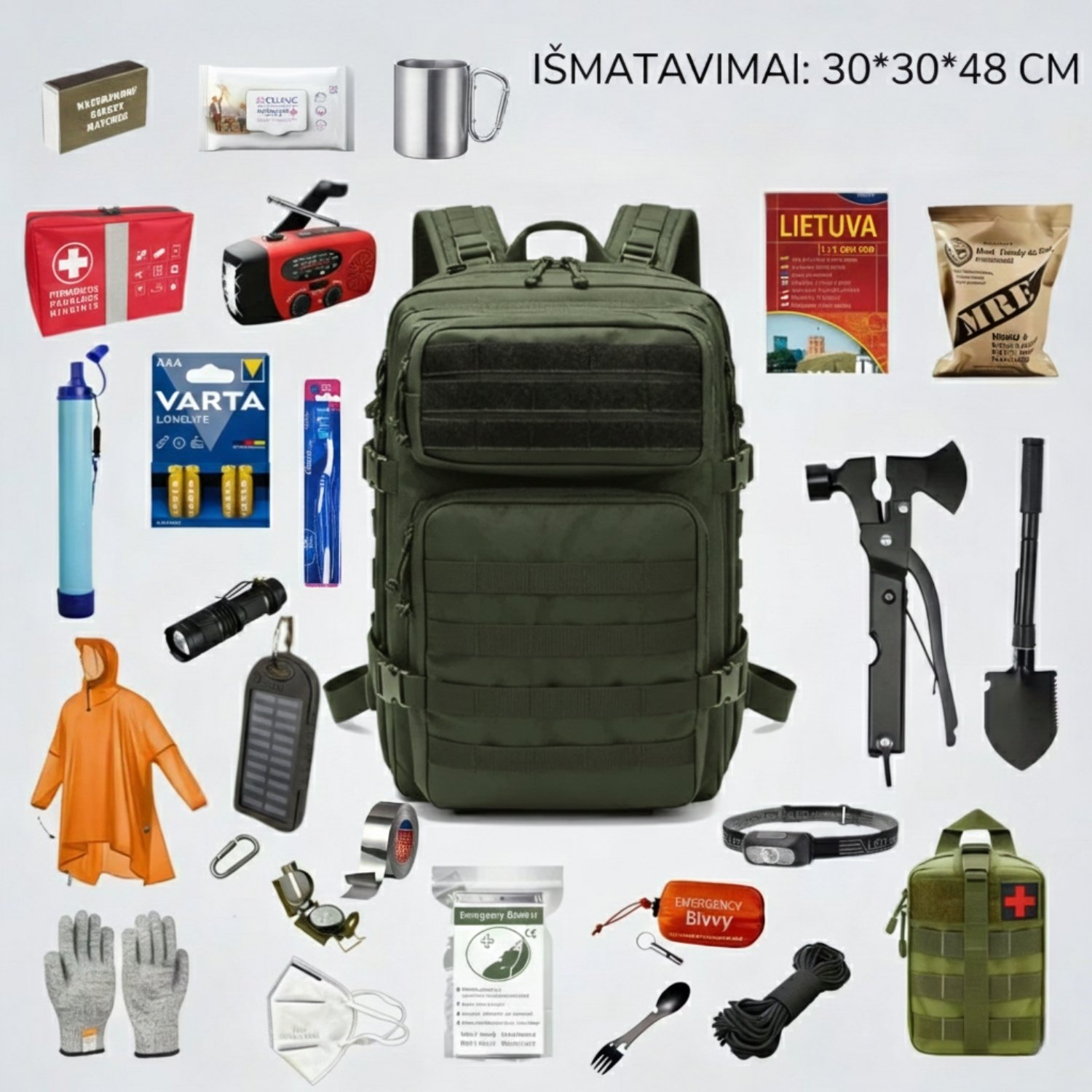
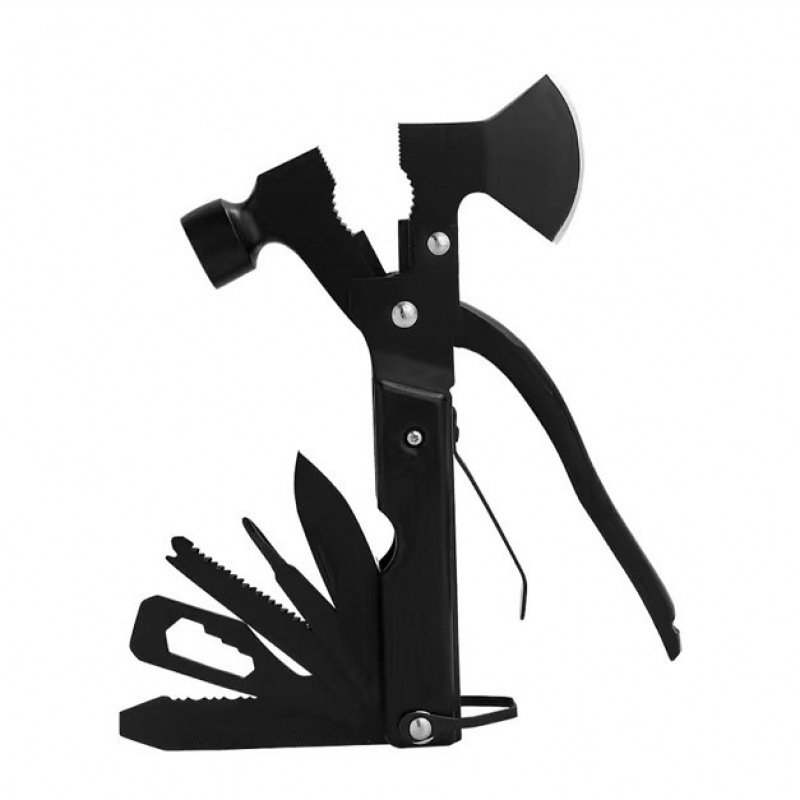
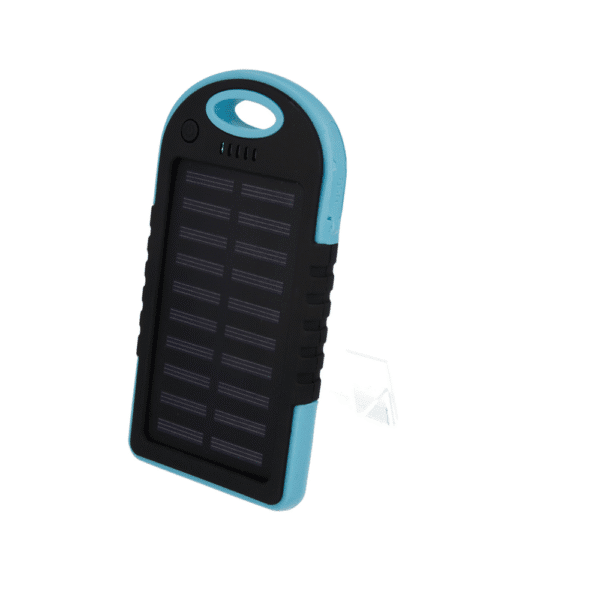
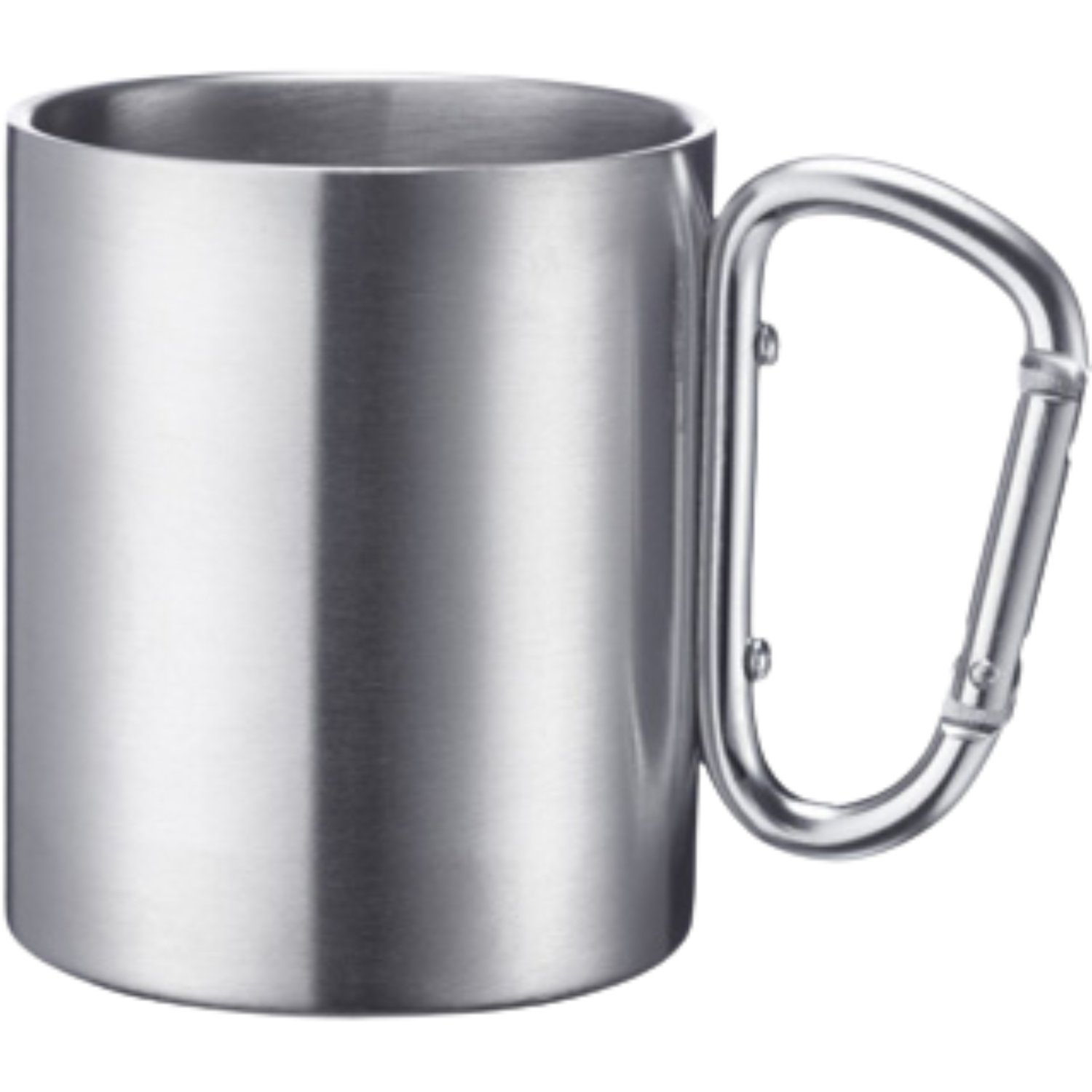
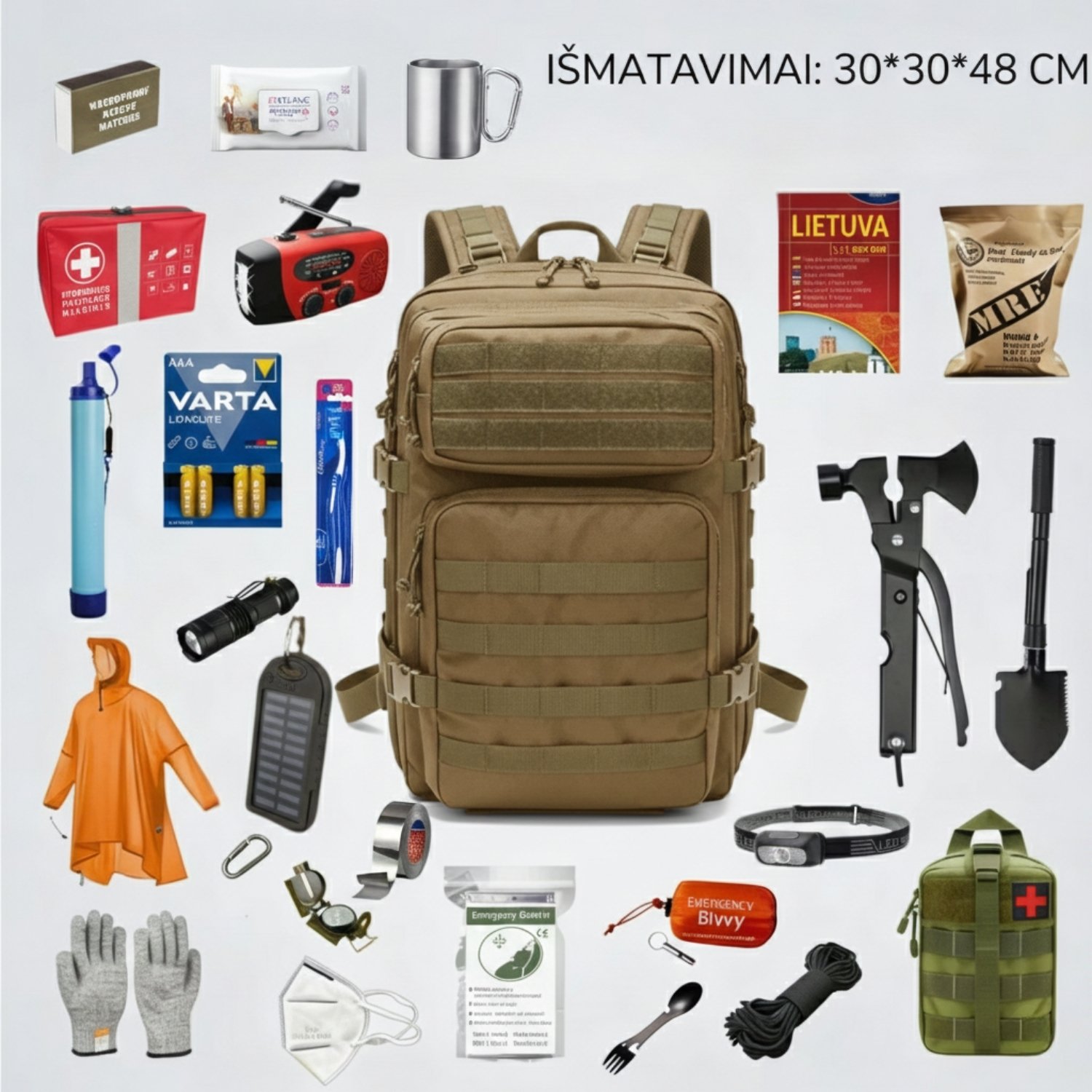
Ein emeRegierungsrucksack Es wurde genau für diesen Zweck entwickelt. Es geht nicht nur ums “Fluchten”, sondern darum, sich sicher und fähig zu fühlen, falls der gewohnte Tagesablauf plötzlich unterbrochen wird.
Vorsorge ist Verantwortung, nicht Angst.
Die Diskussion über Kernenergie und -sicherheit sollte keine Angst auslösen. Vielmehr dient sie als Erinnerung daran, dass in der modernen Welt Vorsorge ein normaler Bestandteil der alltäglichen Verantwortung ist.
Deshalb liegt der Fokus nie auf Bedrohungen, sondern auf Lösungen – klaren Richtlinien, praktischen Ausrüstungen und Informationen, die Ihnen helfen, sich auf jede unerwartete Situation vorzubereiten.
Häufig gestellte Fragen zur nuklearen Vorsorge
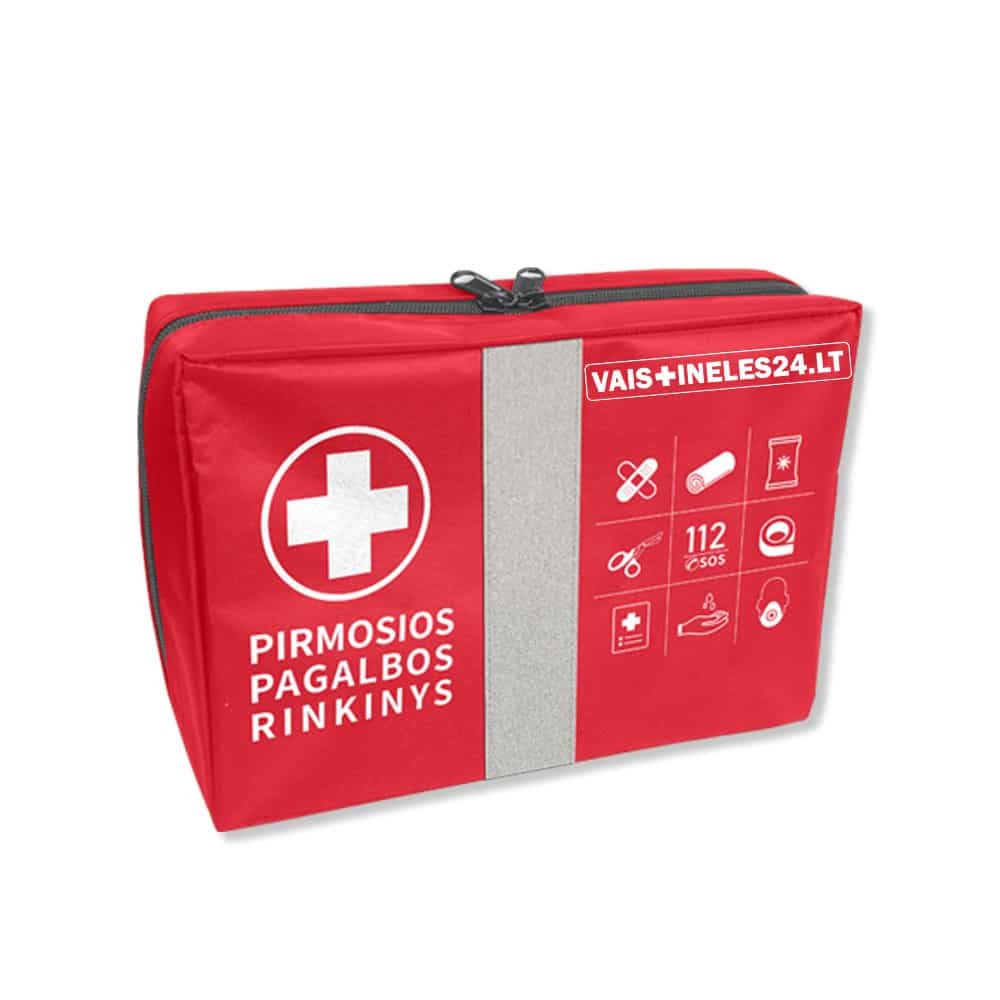
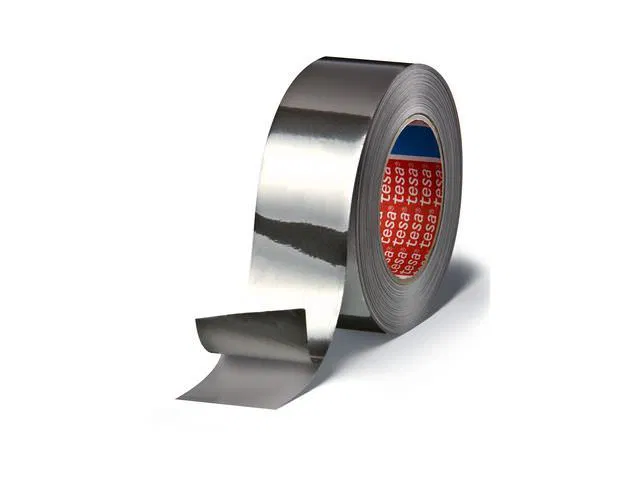
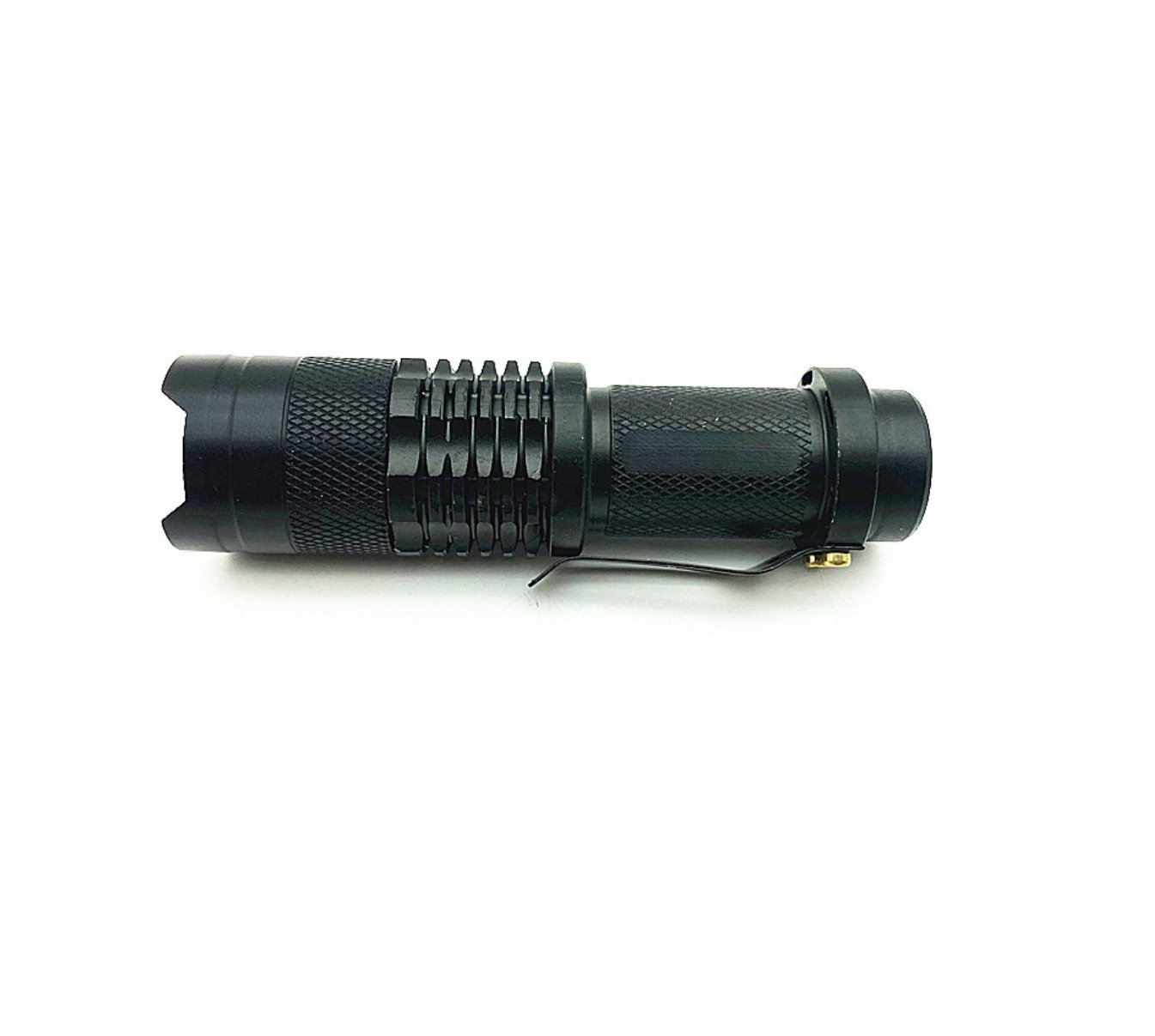
Was sollte ein Notfallset für den Nuklearunfall enthalten? Ein grundlegendes Notfallset sollte Trinkwasser in Flaschen für mindestens 72 Stunden, haltbare Lebensmittel, ein batteriebetriebenes Radio, eine Taschenlampe, einen Erste-Hilfe-Kasten, Ersatzbatterien, wichtige Dokumente, Bargeld und eine Staubmaske enthalten. Kaliumiodidtabletten werden von den örtlichen Gesundheitsbehörden möglicherweise empfohlen, wenn Sie in der Nähe einer nuklearen Anlage wohnen.
Worin unterscheidet sich die nukleare Vorsorge von der allgemeinen Notfallvorsorge? Die Grundprinzipien sind ähnlich, doch die nukleare Vorsorge umfasst zusätzliche Maßnahmen wie das Verbleiben in Gebäuden, das Abdichten von Türen und Fenstern zum Schutz vor Strahlung sowie das Wissen, wann und wie eine sichere Evakuierung durchzuführen ist. Die Einhaltung der offiziellen Zivilschutzrichtlinien ist unerlässlich, um im Falle eines nuklearen Ereignisses richtig reagieren zu können.
Wo finde ich offizielle Richtlinien zur nuklearen Vorsorge? In Litauen und in ganz Europa veröffentlichen Katastrophenschutzbehörden und nationale Strahlenschutzzentren detaillierte Leitfäden. Die Website go72h.com eNotfallset ist so konzipiert, dass es die Empfehlungen für eine 72-stündige Selbstversorgungsphase gemäß den offiziellen Zivilschutzplänen erfüllt.