Nuclear preparedness means being ready before an emergency occurs.For several years, the presence of nuclear power plants within regional infrastructures has been a key topic of discussion regarding civil safety. While such facilities typically operate under normal conditions, their geographic location and the nature of nuclear energy make them a primary focus for national civil defense planning and public information strategies.
Official guidelines often address everything from information procedures to individual readiness. This is why radiation safety centers and nuclear power safety inspectorates prioritize public awareness—to ensure that safety remains a proactive habit rather than a reactive fear.
Why is nuclear preparedness emphasized during normal operations?
Nuclear energy relies on the highest safety standards, yet even rare events require clear, pre-determined actions. This is why so much attention is given to preparing for various scenarios, regardless of how low their probability may be.
Official institutions typically evaluate:
- How information is relayed to the public.
- The effectiveness of early warning systems.
- Which protective measures should be applied in the first hours of an event.
This approach is not unique to nuclear safety—similar civil defense measures are planned for extreme weather conditions, industrial accidents, or major power supply disruptions.
The role of official plans and guidelines
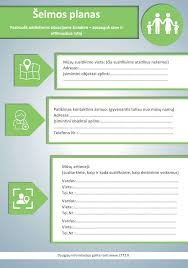
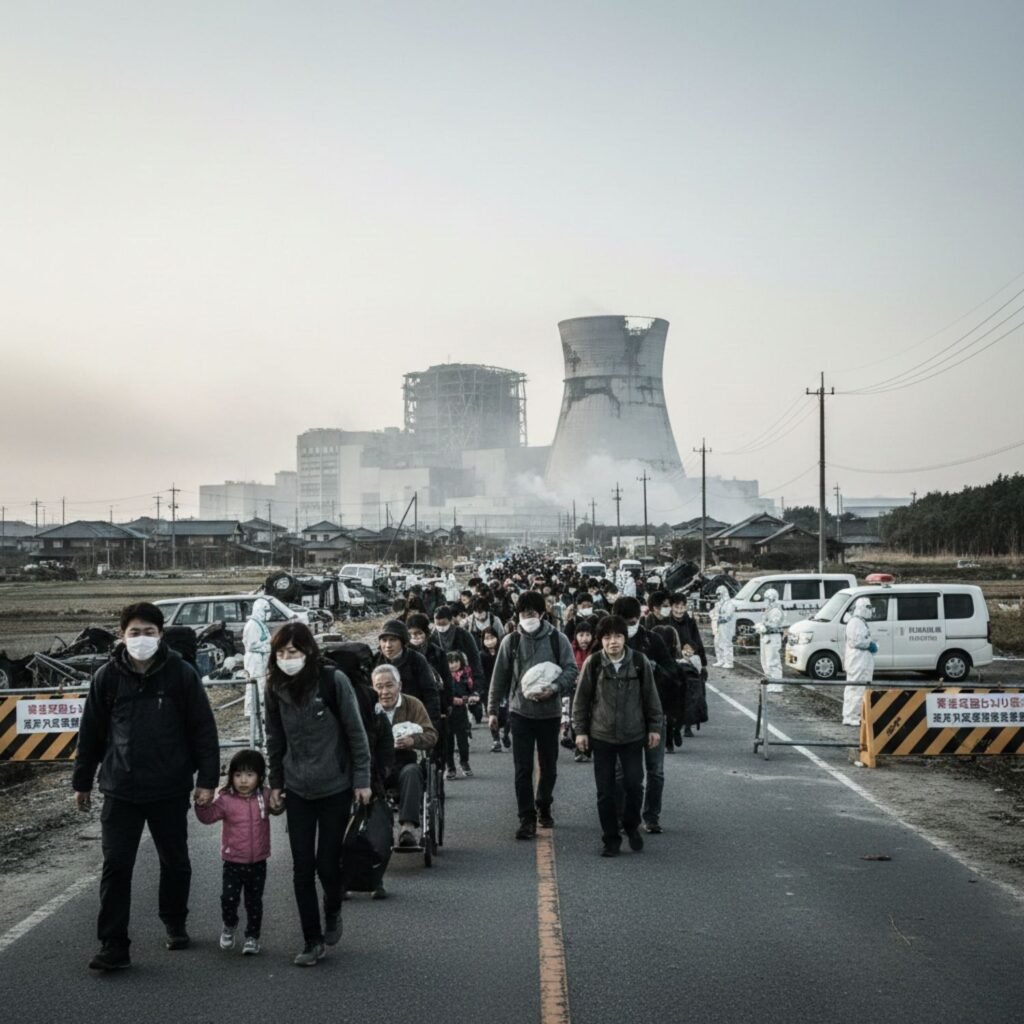
Safety institutions maintain detailed management plans for radiological incidents. These plans cover public informing, recommendations for sheltering indoors, the use of iodine preparations, and potential evacuation procedures for specific territories.
The goal of any civil defense system is to provide clarity. These plans are updated regularly to ensure that if a situation requires a quick reaction, the public knows exactly what to do, replacing panic with organized action.
Why are the first 72 hours critical?
International experience shows that at the onset of any major crisis, time is the most essential factor. Regardless of the nature of the event, the first few days are often spent:
- Gathering and verifying information.
- Coordinating large-scale response efforts.
- Stabilizing the situation.
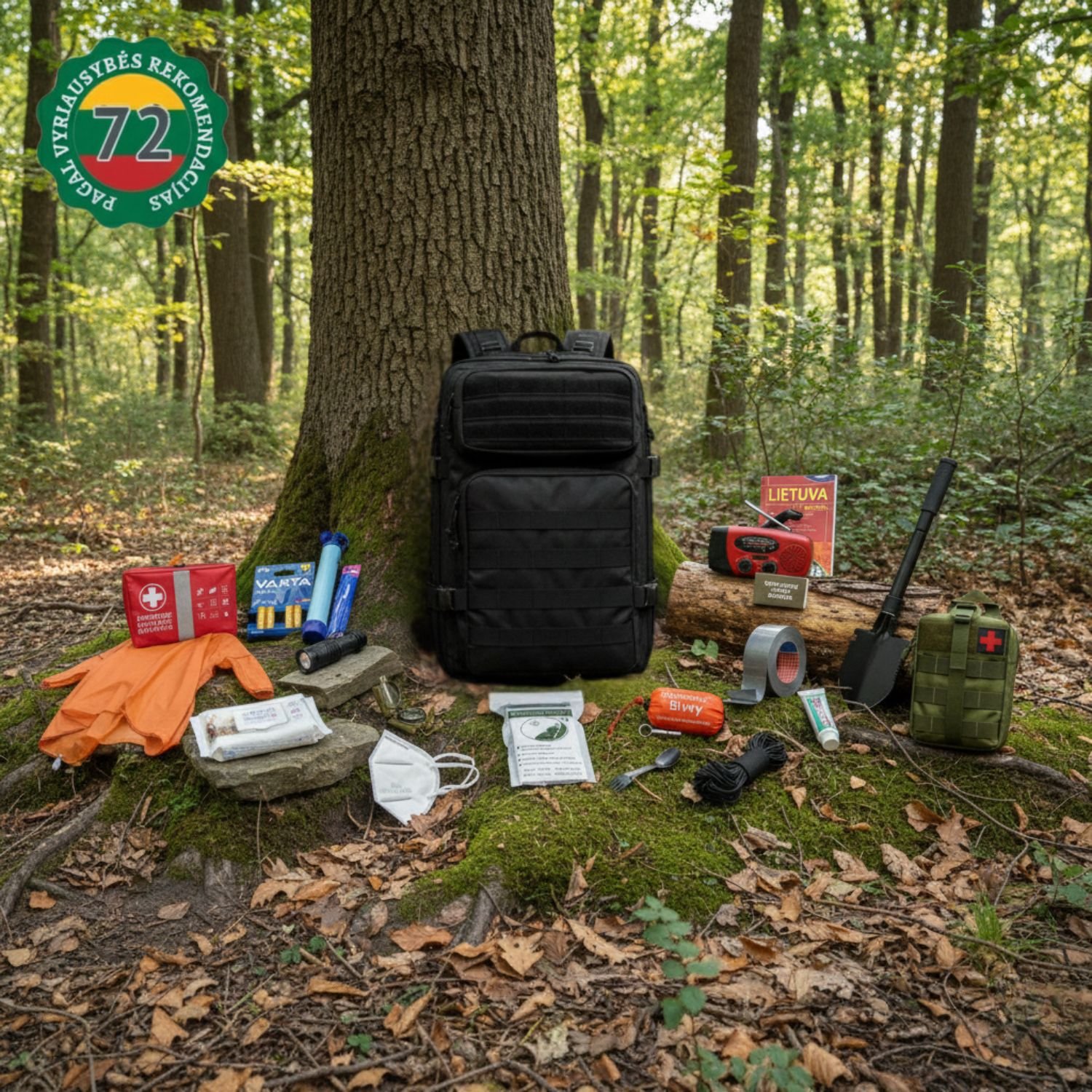
Therefore, civil defense recommendations emphasize a 72-hour window during which residents should be able to independently meet their most basic needs. This principle is a cornerstone of modern preparedness.
What does this mean for daily life?
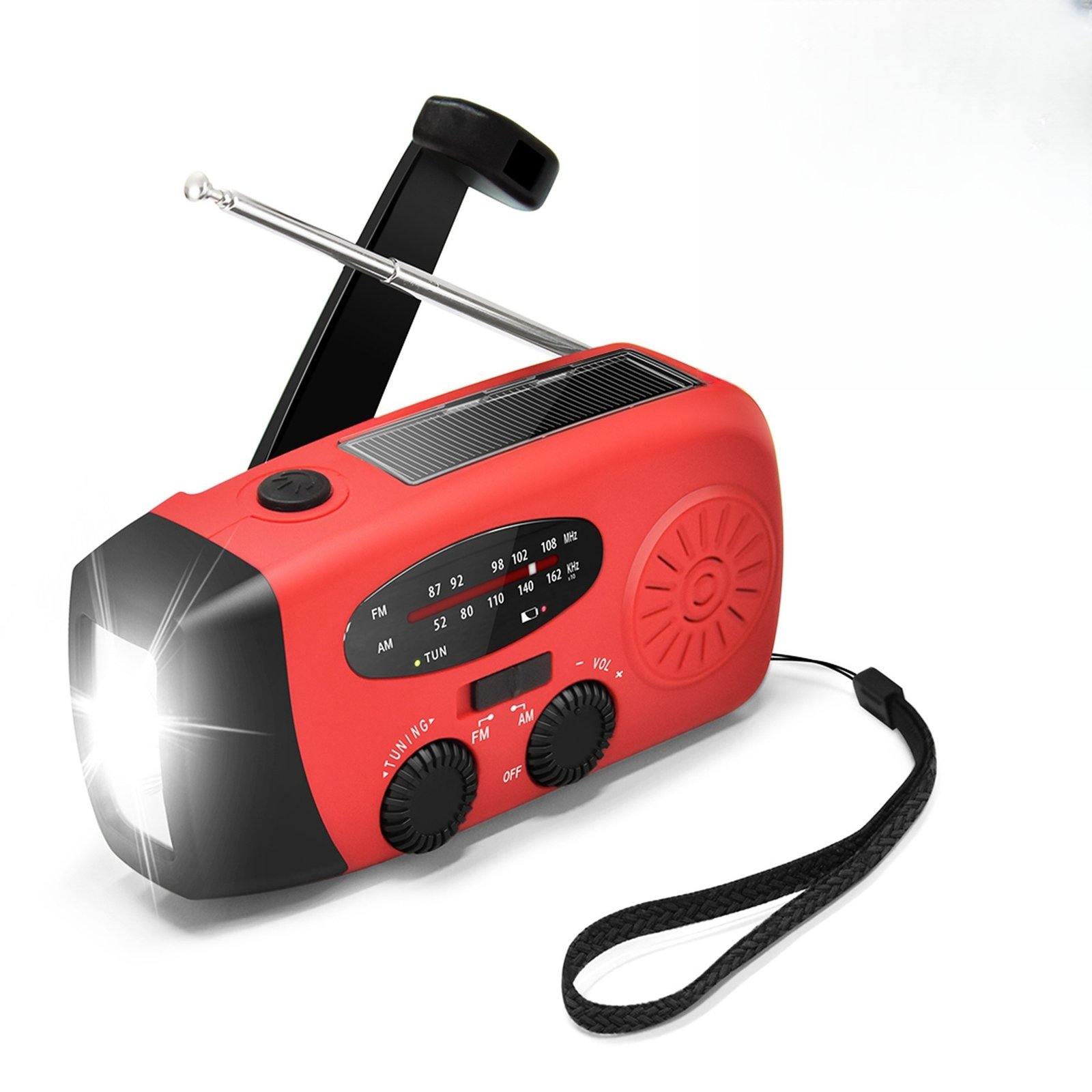
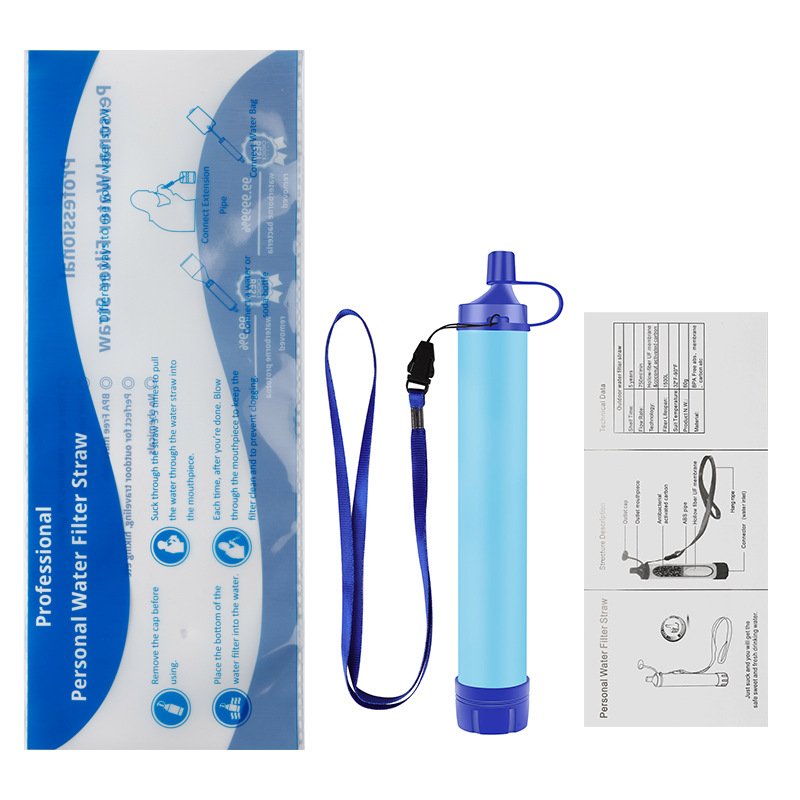
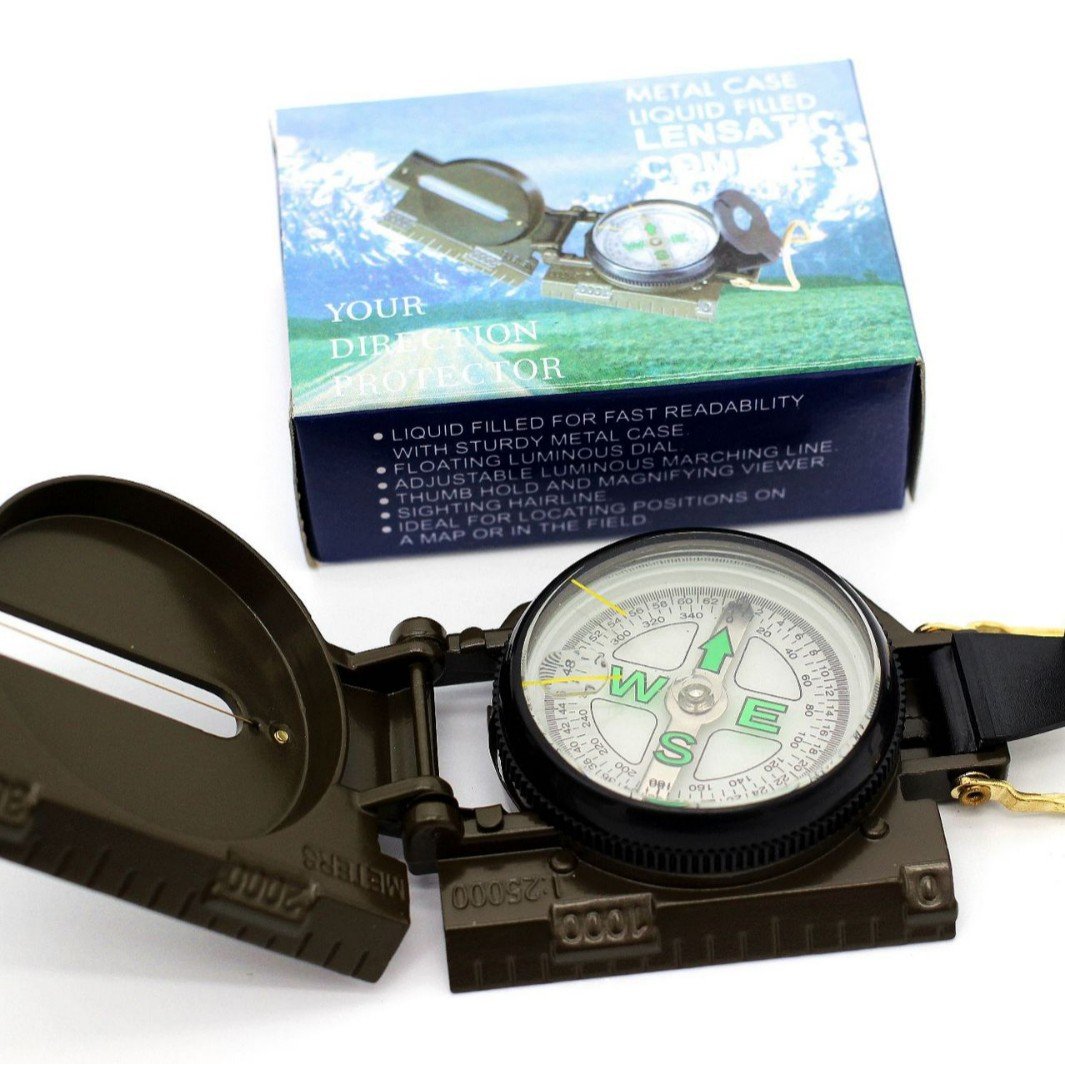
Preparedness does not mean waiting for a worst-case scenario. It is a calm, practical planning process that is useful far beyond the context of nuclear energy. Maintaining supplies of documents, water, food, medicine, lighting, and communication devices can be helpful in many different situations.
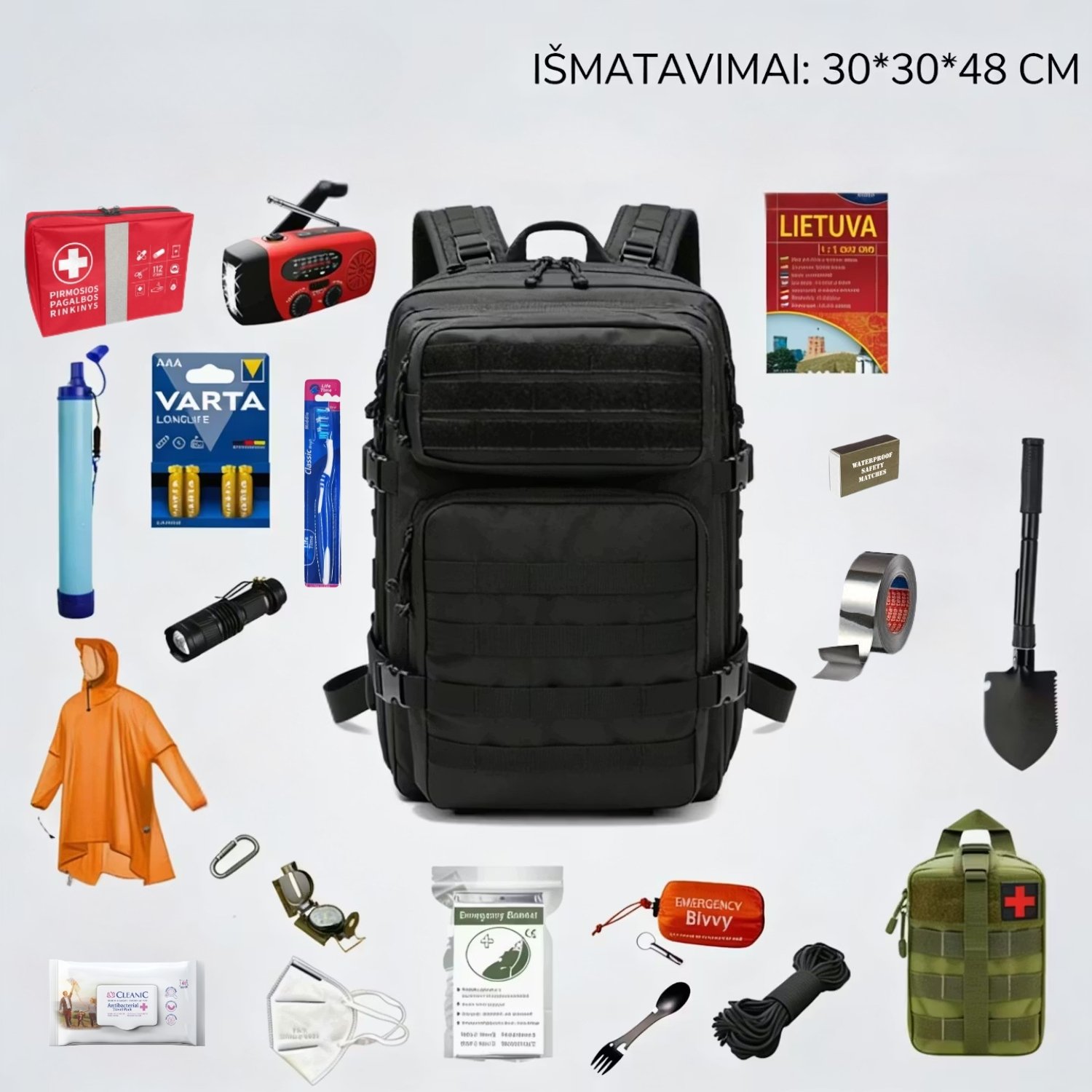
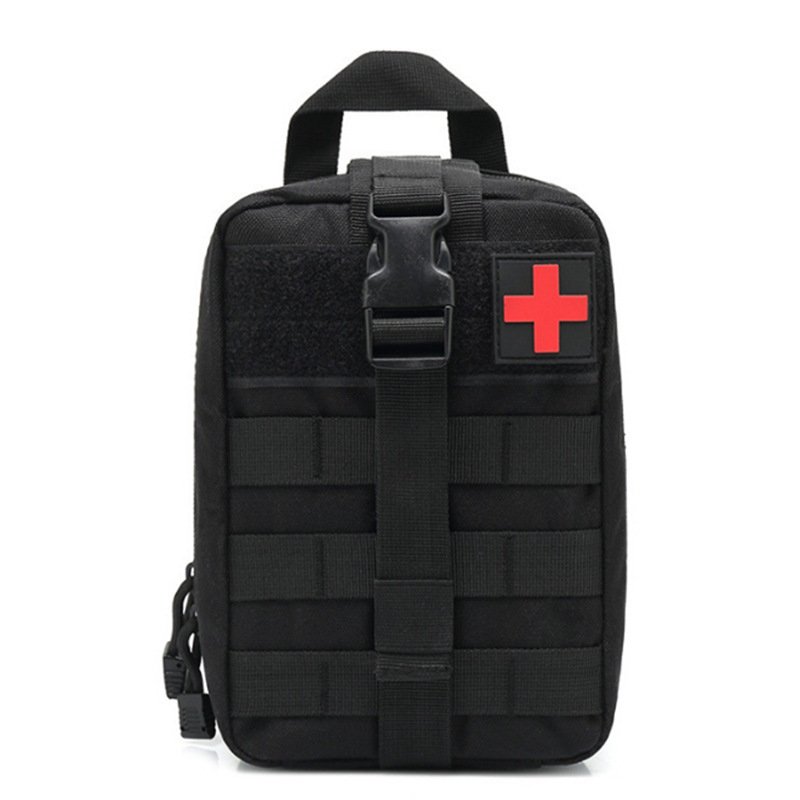
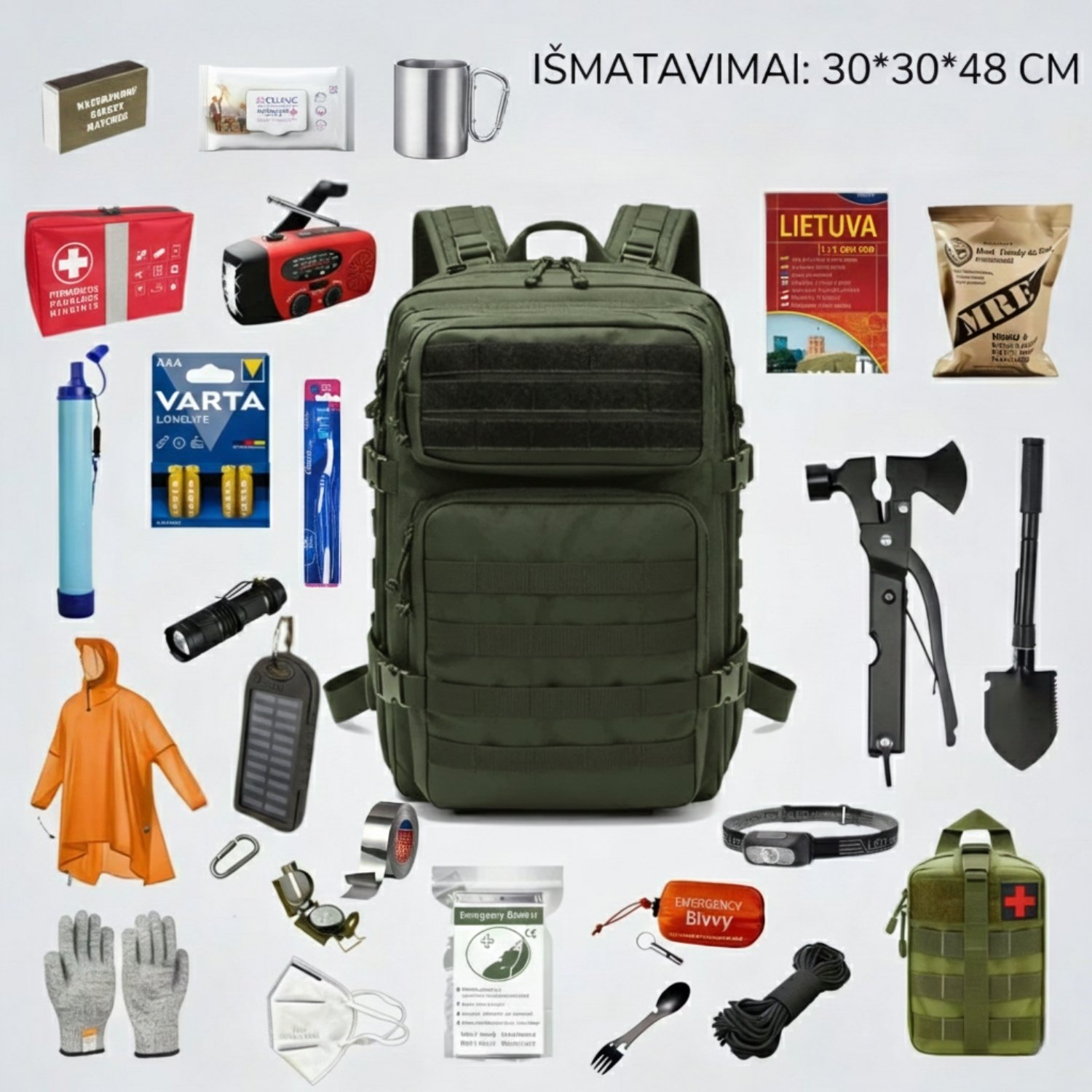
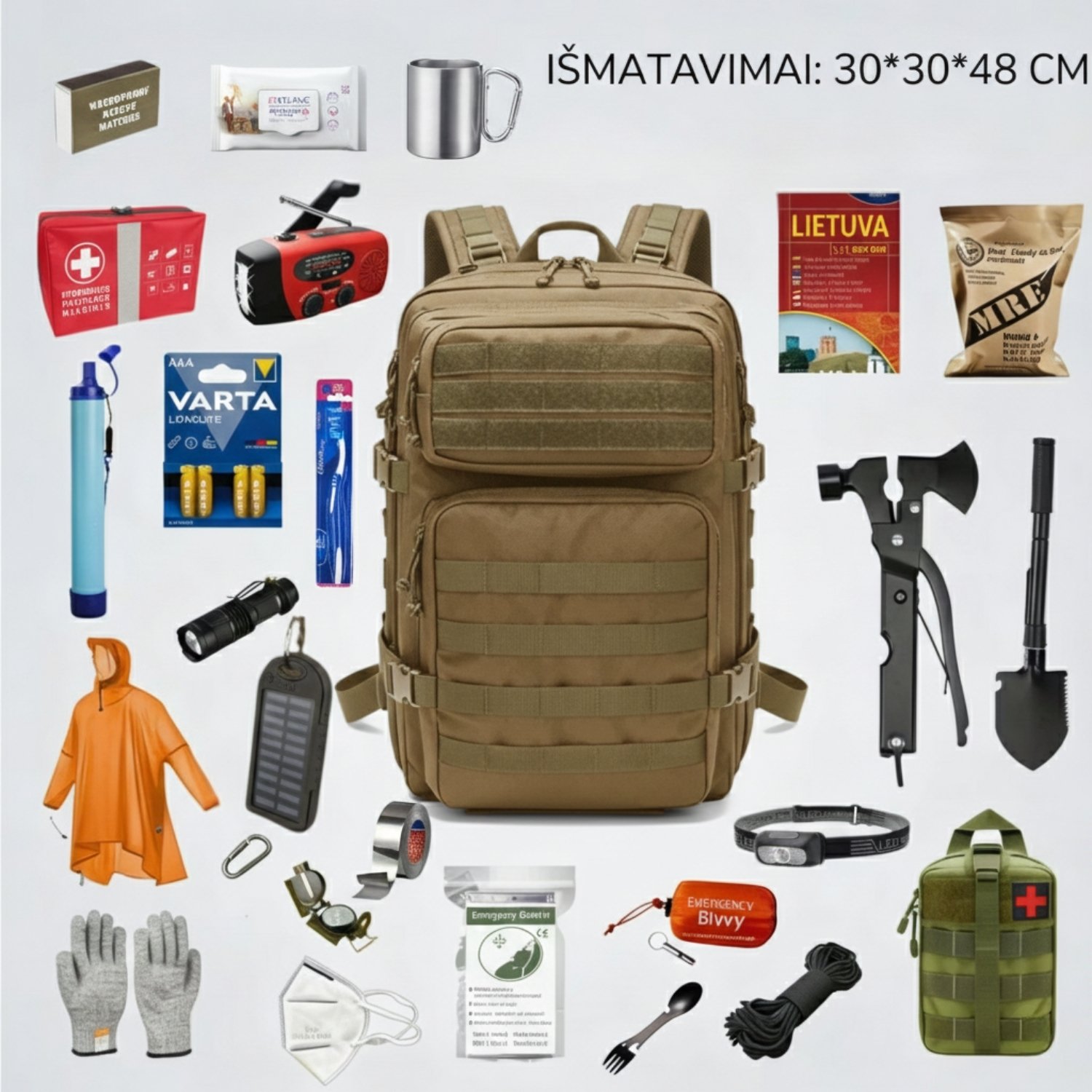
An emergency backpack is designed for this exact purpose. It isn’t just about “fleeing”—it is about feeling confident and capable if your normal daily rhythm is suddenly interrupted.
Preparedness is responsibility, not fear
Discussing nuclear power and safety shouldn’t be a source of anxiety. Instead, it serves as a reminder that in the modern world, being prepared is a normal part of everyday responsibility.
This is why the focus is never on threats, but on solutions—clear guidelines, practical kits, and information that helps you prepare for any unexpected situation.
Frequently asked questions about nuclear preparedness
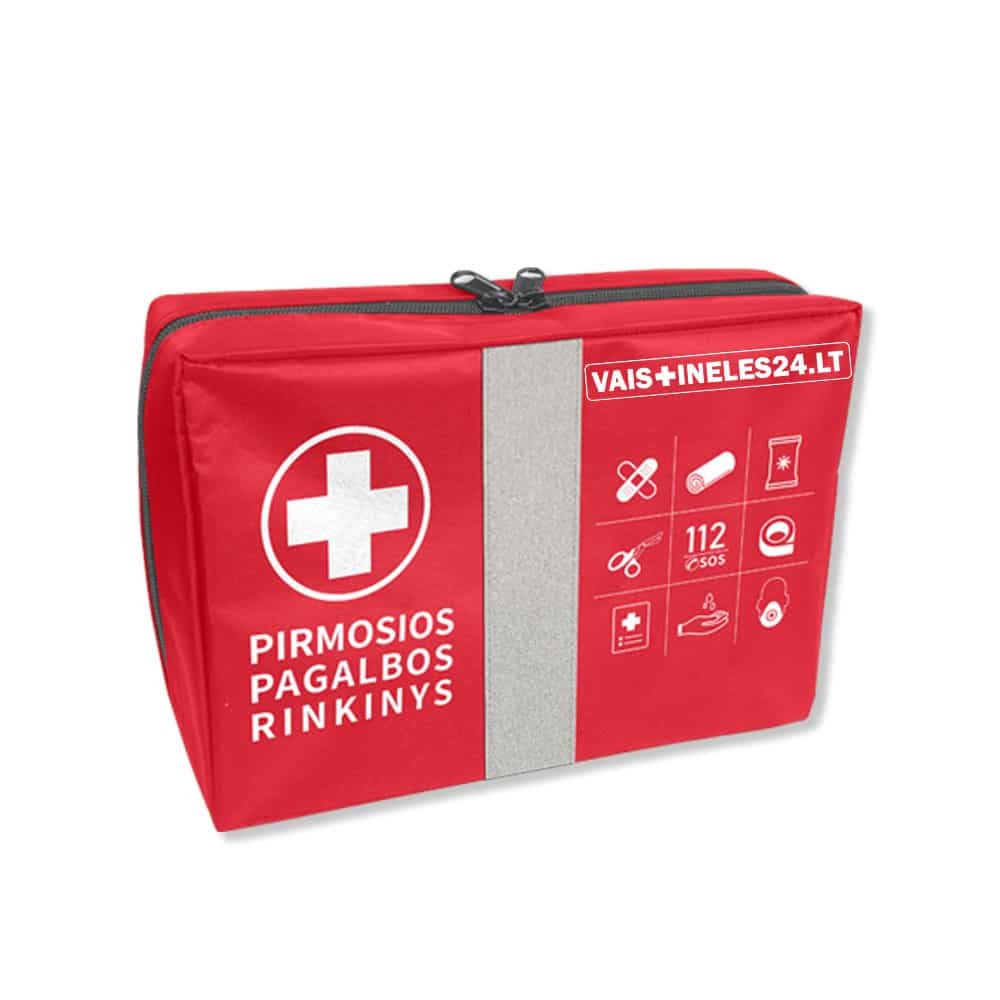
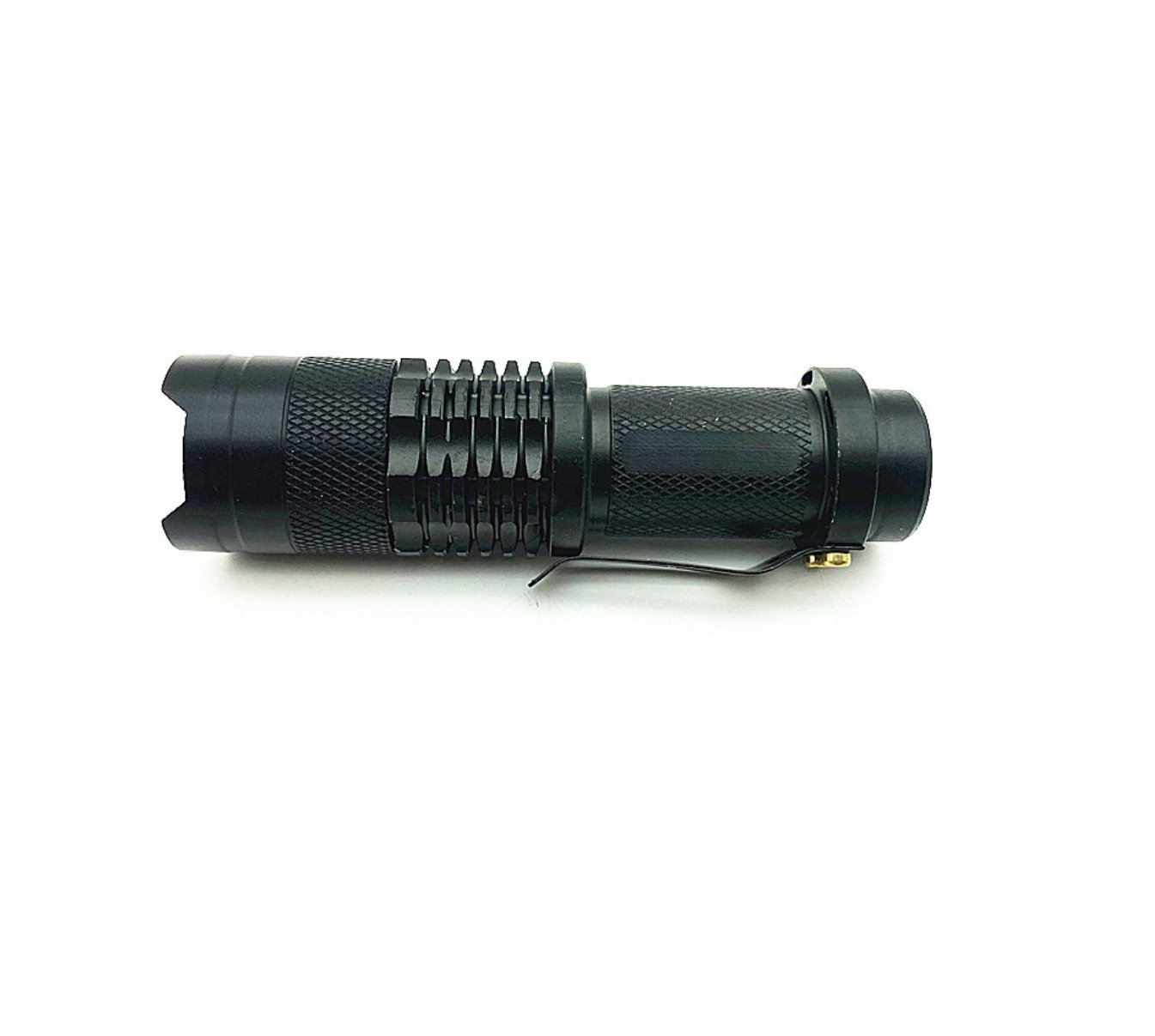
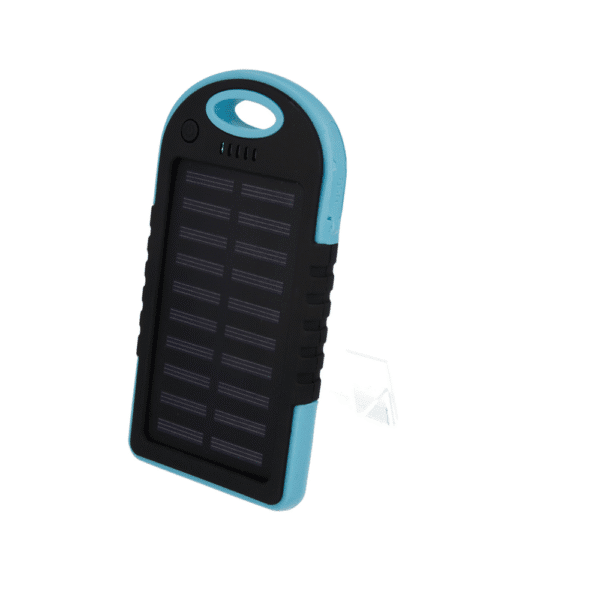
What should a nuclear preparedness kit contain? A basic emergency kit should include bottled water for at least 72 hours, non-perishable food, a battery-powered radio, flashlight, first-aid kit, extra batteries, important documents, cash, and a dust mask. Potassium iodide tablets may also be recommended by local health authorities if you live near a nuclear facility.
How does nuclear preparedness differ from general emergency preparedness? The core principles are similar, but nuclear preparedness adds specific steps such as sheltering in place, sealing doors and windows to limit radiation exposure, and knowing when and how to safely evacuate. Following official civil defense guidelines is essential to respond correctly during a nuclear event.
Where can I find official nuclear preparedness guidelines? In Lithuania and across Europe, civil protection agencies and national radiation protection centers publish detailed guidance. The go72h.com emergency kit is designed to meet the recommendations for a 72-hour self-sufficiency period as outlined in official civil defense plans.