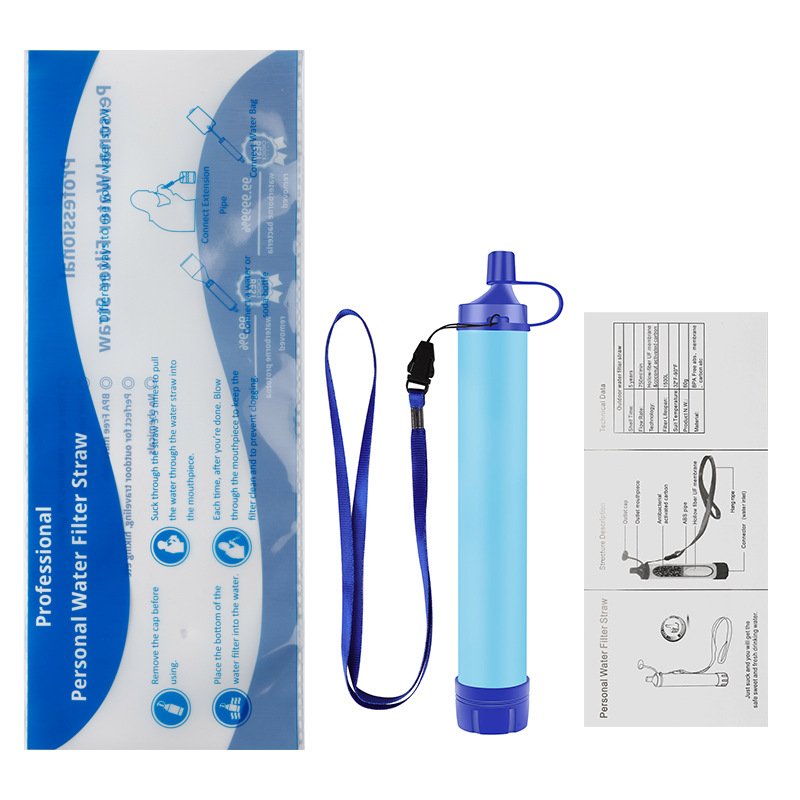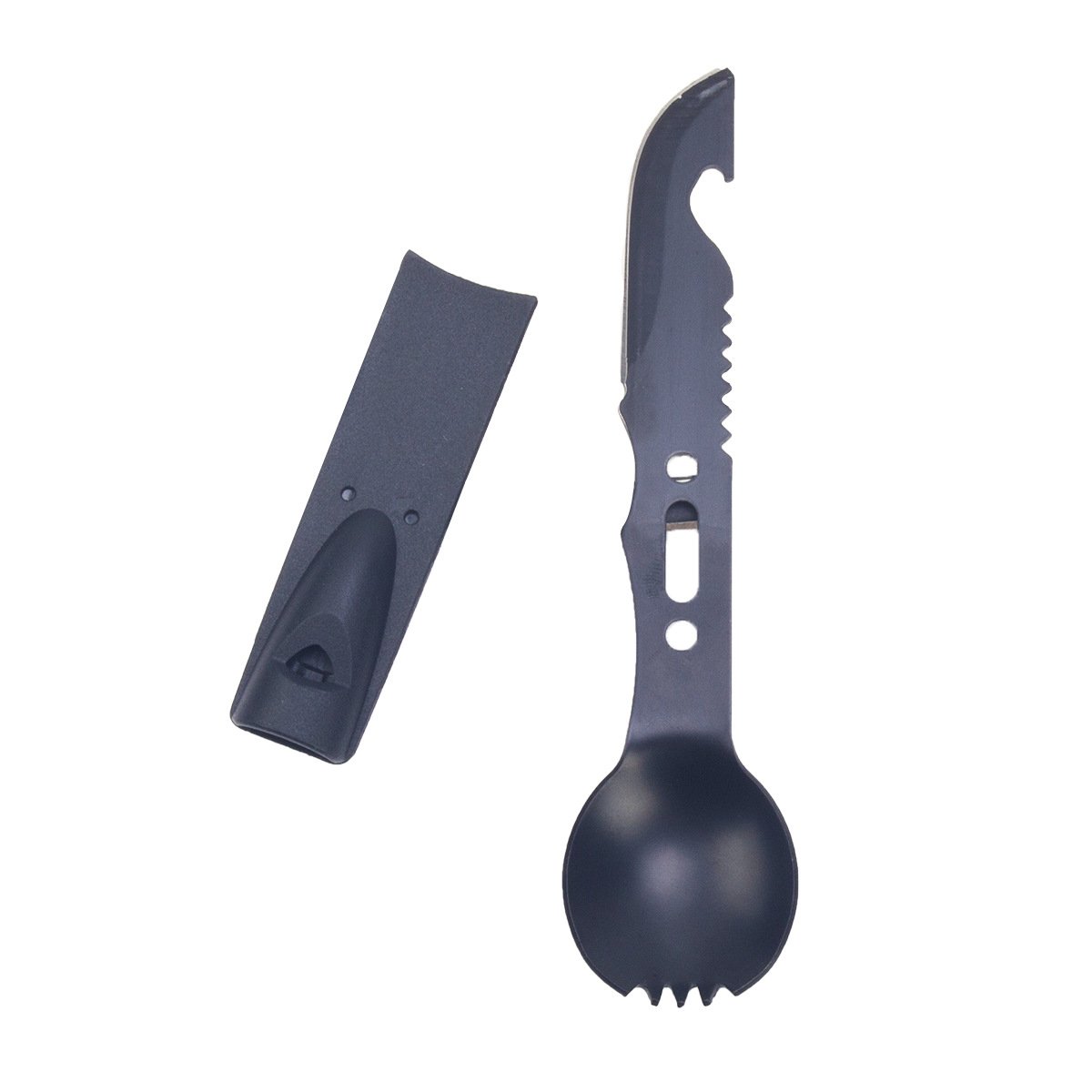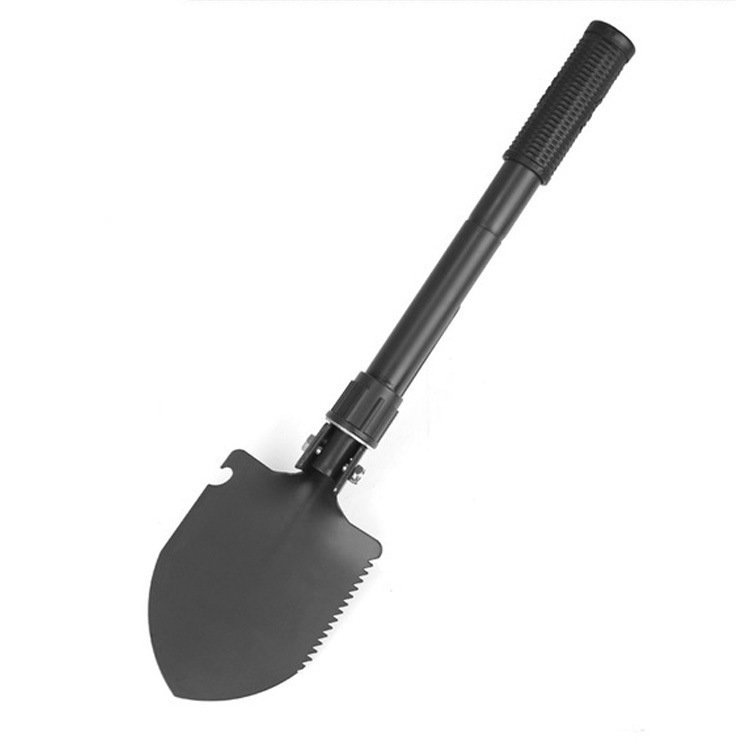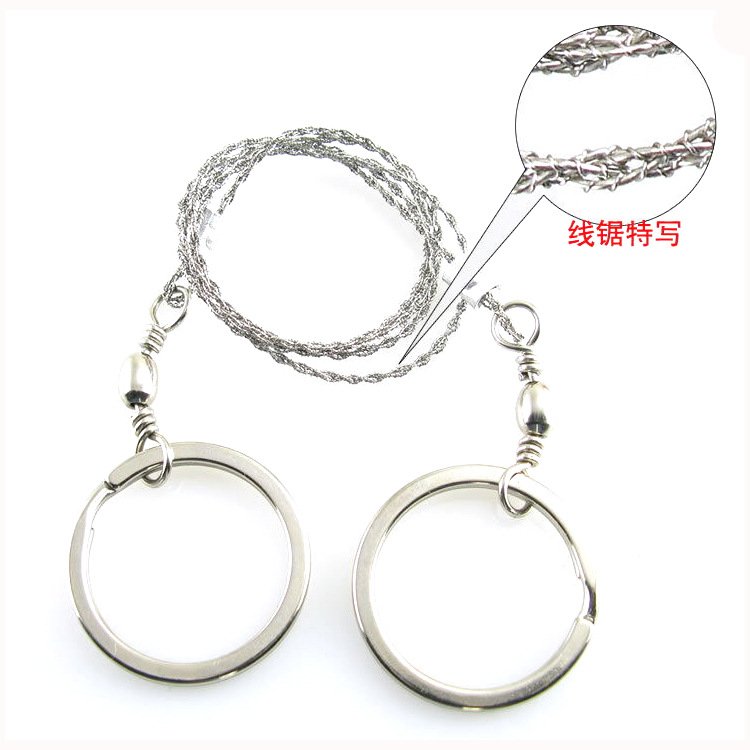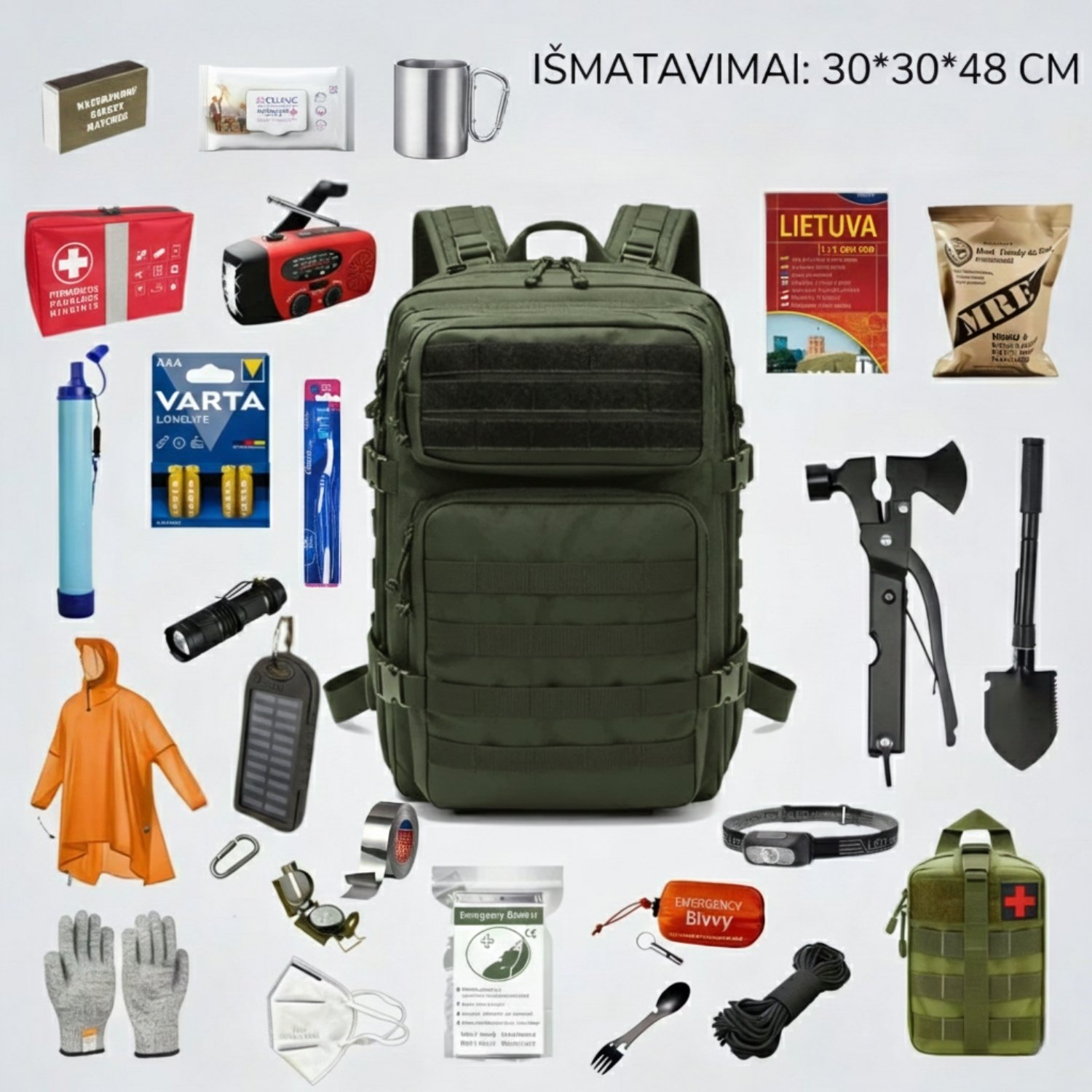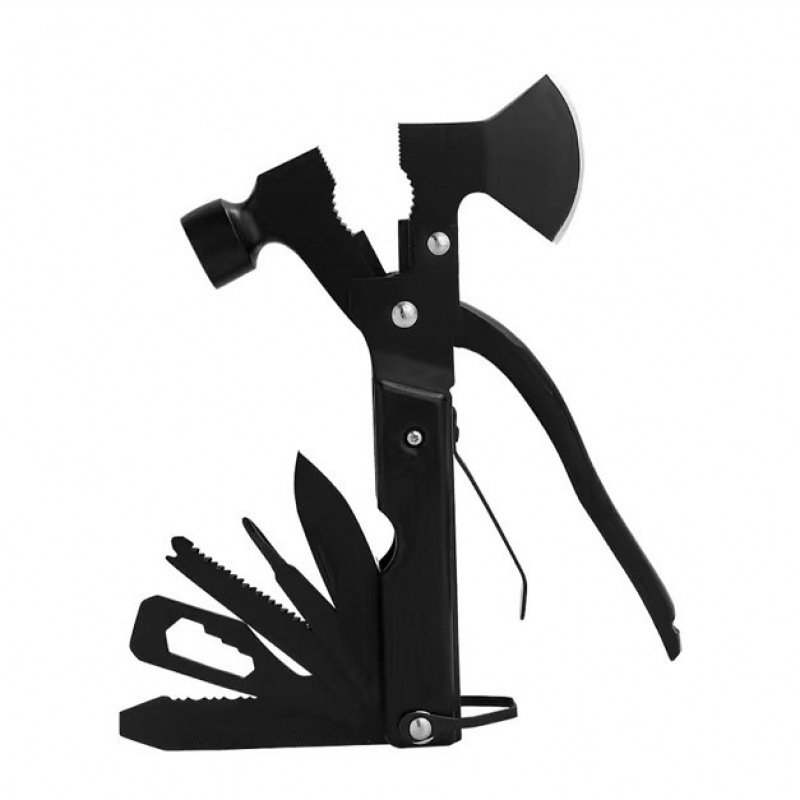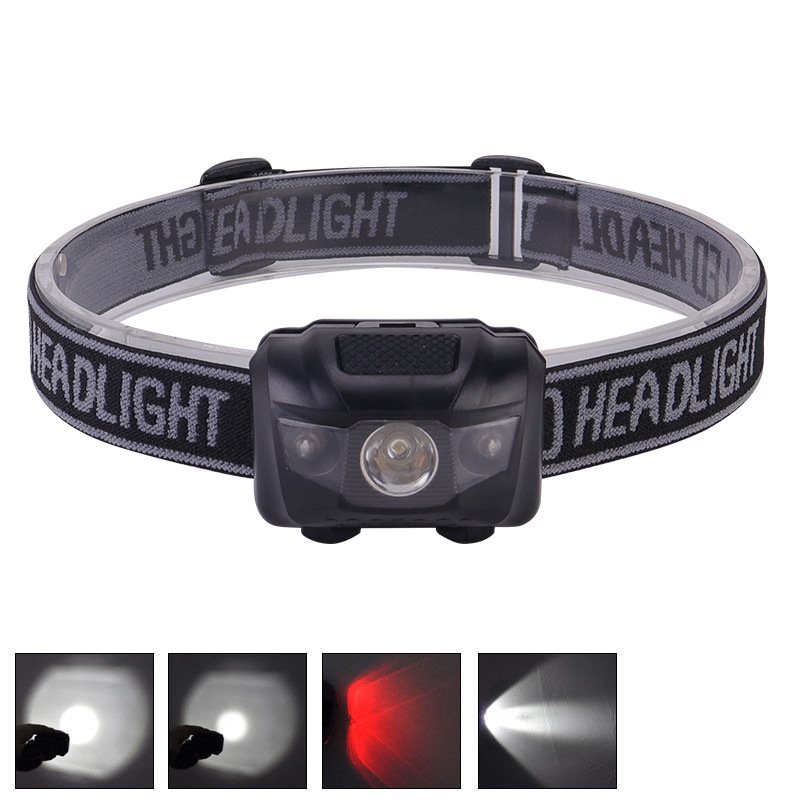
Oikean hätälaukun valitseminen – koko ja strategia kotitalouksittain
Selviytymisreppua valittaessa on tärkeää ymmärtää, että yksi reppu koko perheelle on usein epäkäytännöllinen ja liian raskas kantaa. Paras strategia on jakaa paino ja toiminnot useille repuille.
1. Yksi henkilö (yksilöllinen valmistautuminen)
- Suositeltu koko: 30–45 litraa
- Kärki: Valitse mukava ja ergonominen reppu. Koska kannat kaiken itse, mukavat olkahihnat ja selkätuki ovat kriittisen tärkeitä. Kaikkien 72 tunnin tavaroiden tulisi mahtua tähän yhteen laukkuun.
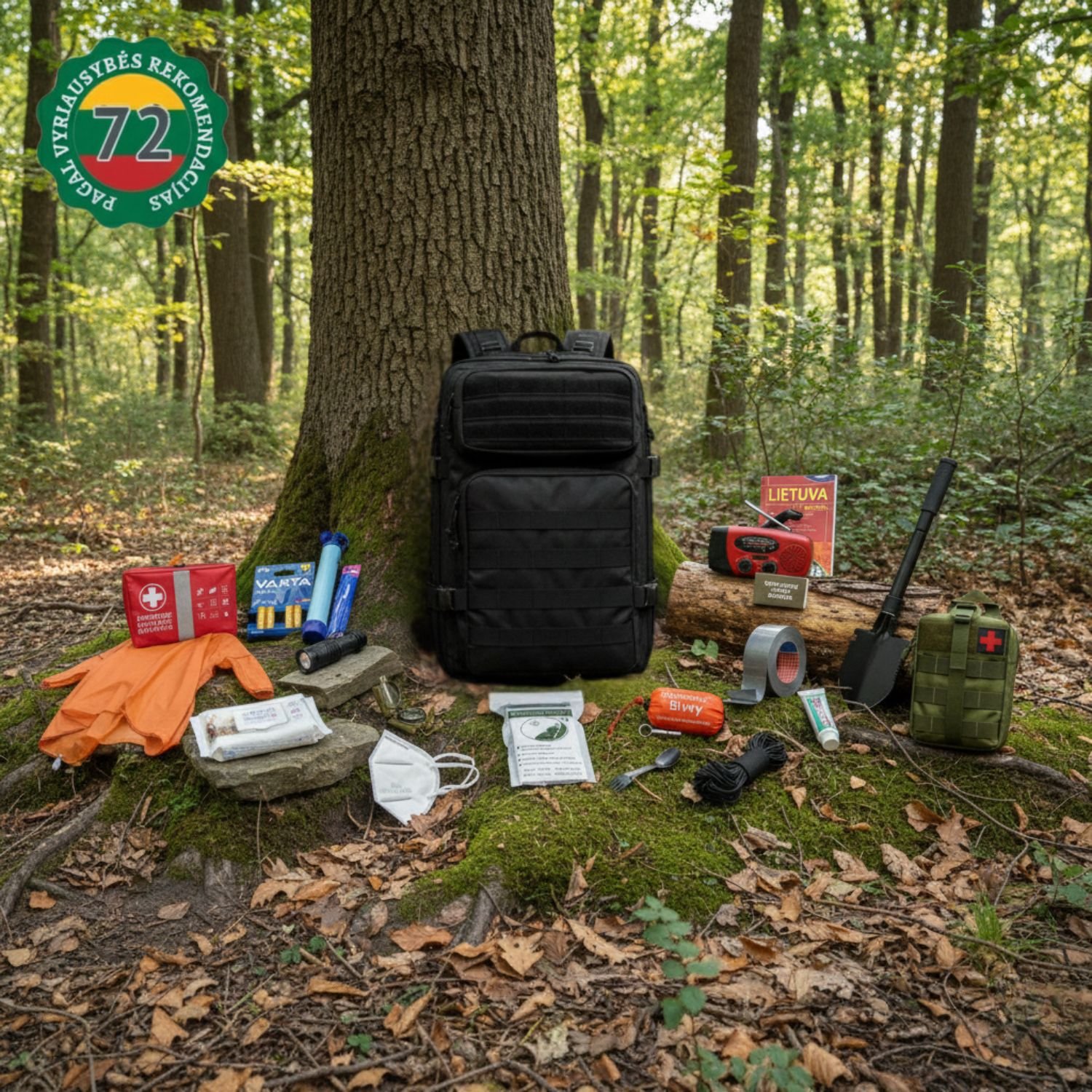
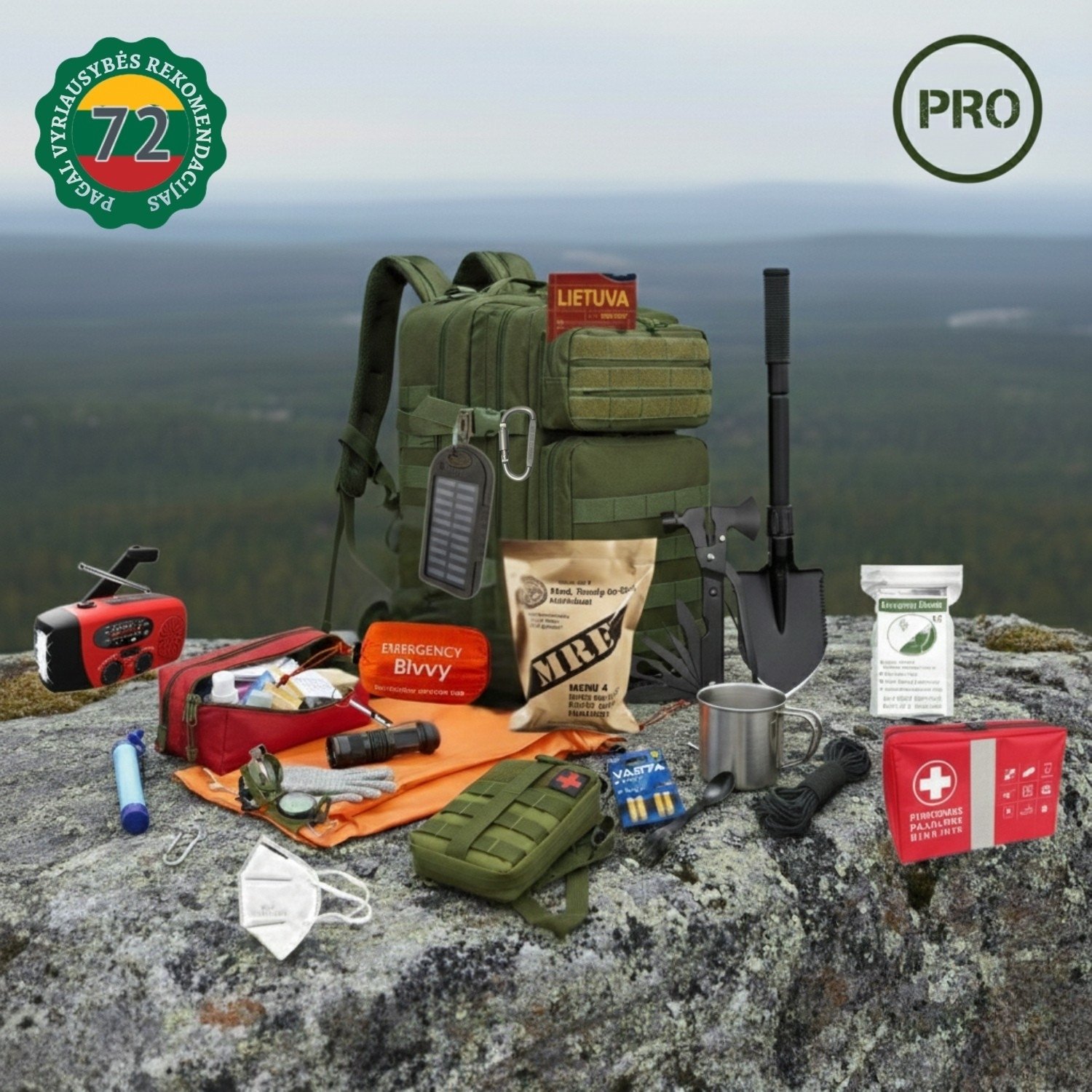
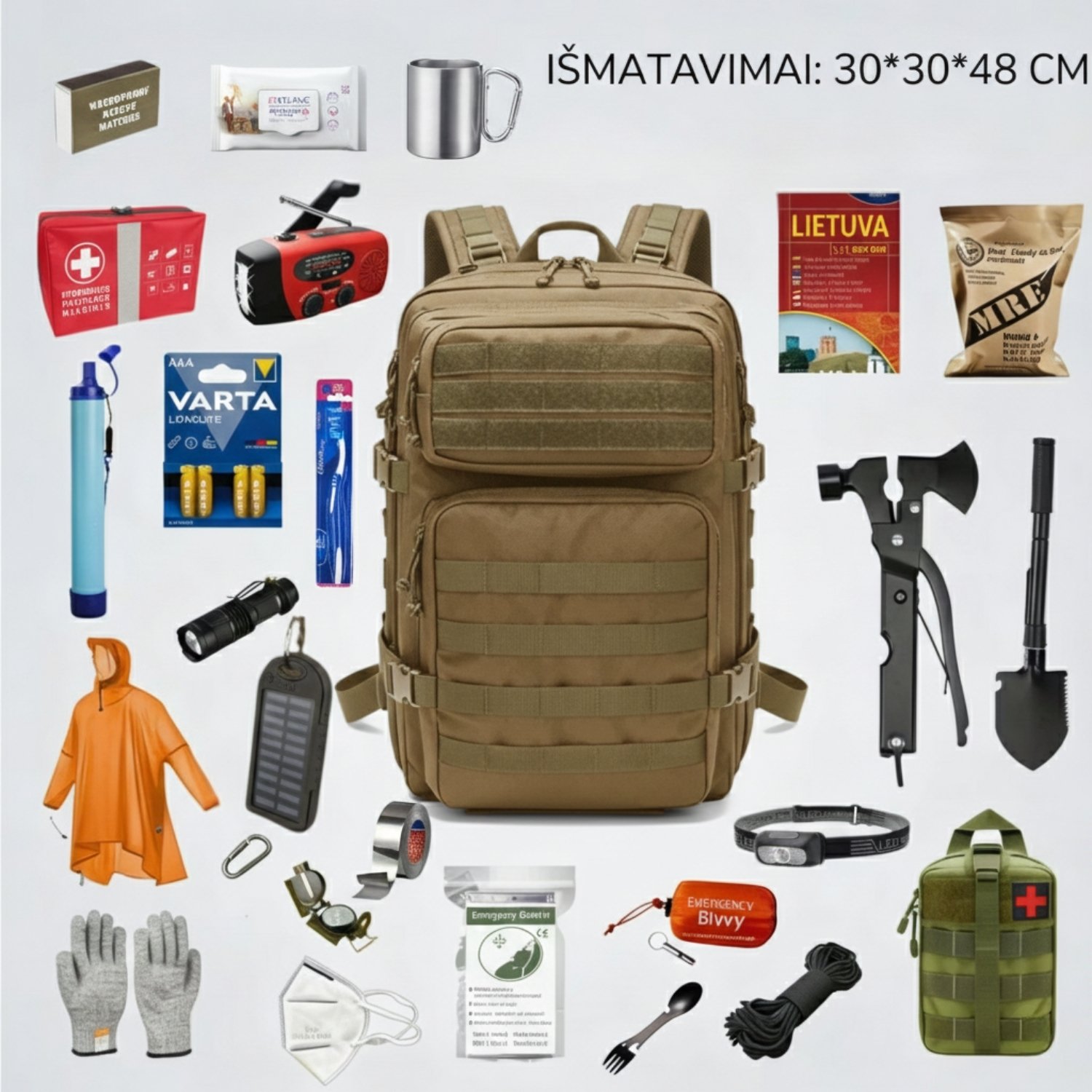
- Suositus: 72 tunnin hätäreppu
2. Kaksi henkilöä (pari tai kaksi aikuista)
- Suositeltu koko: Kaksi erillistä 30–40 litran reppua
- Kärki: Jaa sisältö toimintojen mukaan. Esimerkiksi yksi henkilö kantaa ruokaa, vettä ja suojavarusteita, kun taas toinen kantaa ensiapulaukkua, asiakirjoja, viestintävälineitä ja työkaluja. Näin varmistetaan, että vaikka he olisivat erillään, molemmilla on ainakin osa välttämättömistä tarvikkeista.
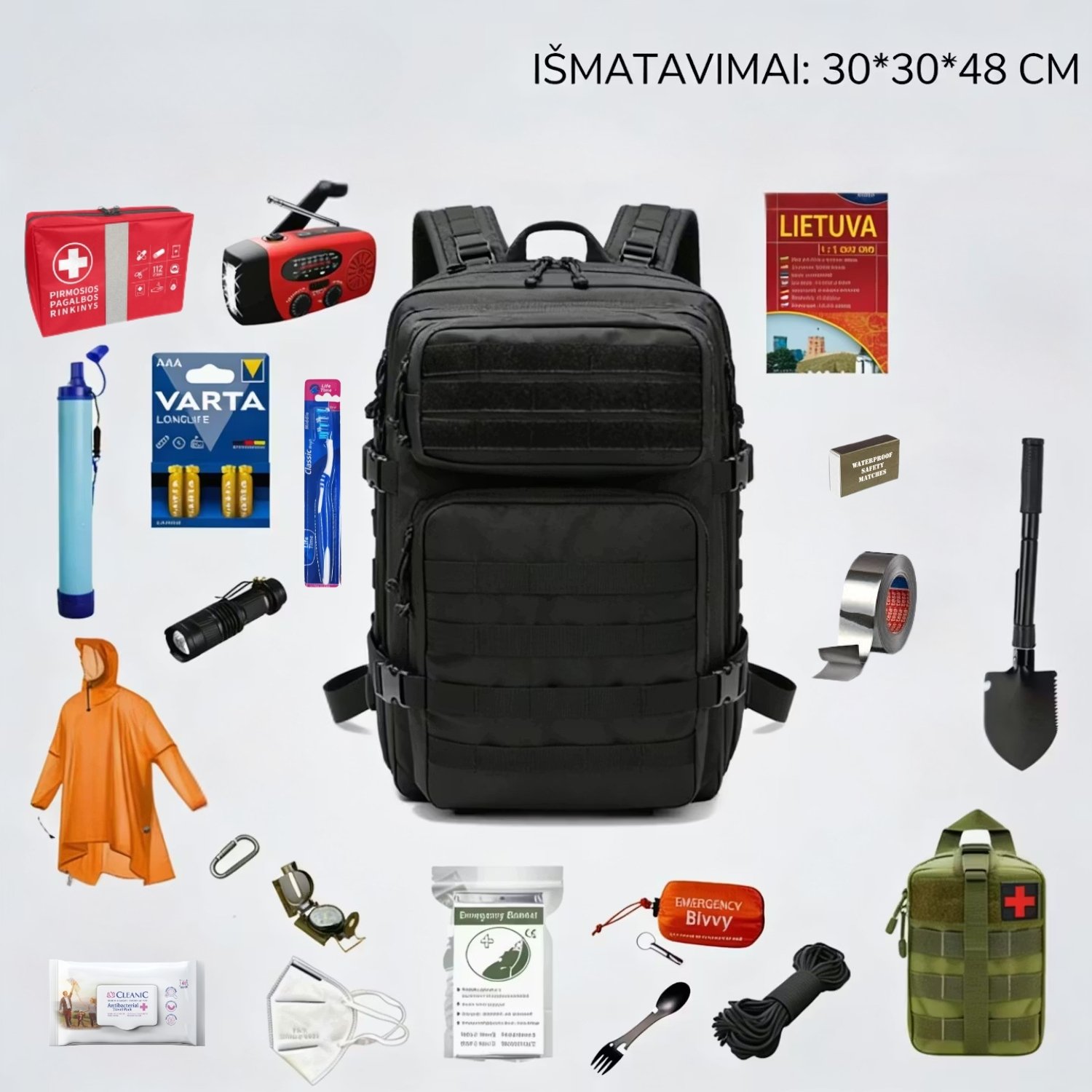
- Suositus: 72h PRO -hätäreppu
3. Perhe pienten lasten kanssa (3–4 henkilöä)
- Suositeltu koko: 2 isompaa (40–55 litraa) reppua aikuisille + pienempää (15–25 litraa) reppua jokaiselle lapselle
- Vinkkejä:
- Aikuisten reput: Kaikki jaetut varusteet (teltta, lisää ruokaa/vettä, asiakirjat, työkalut) tulisi pitää sisällään.
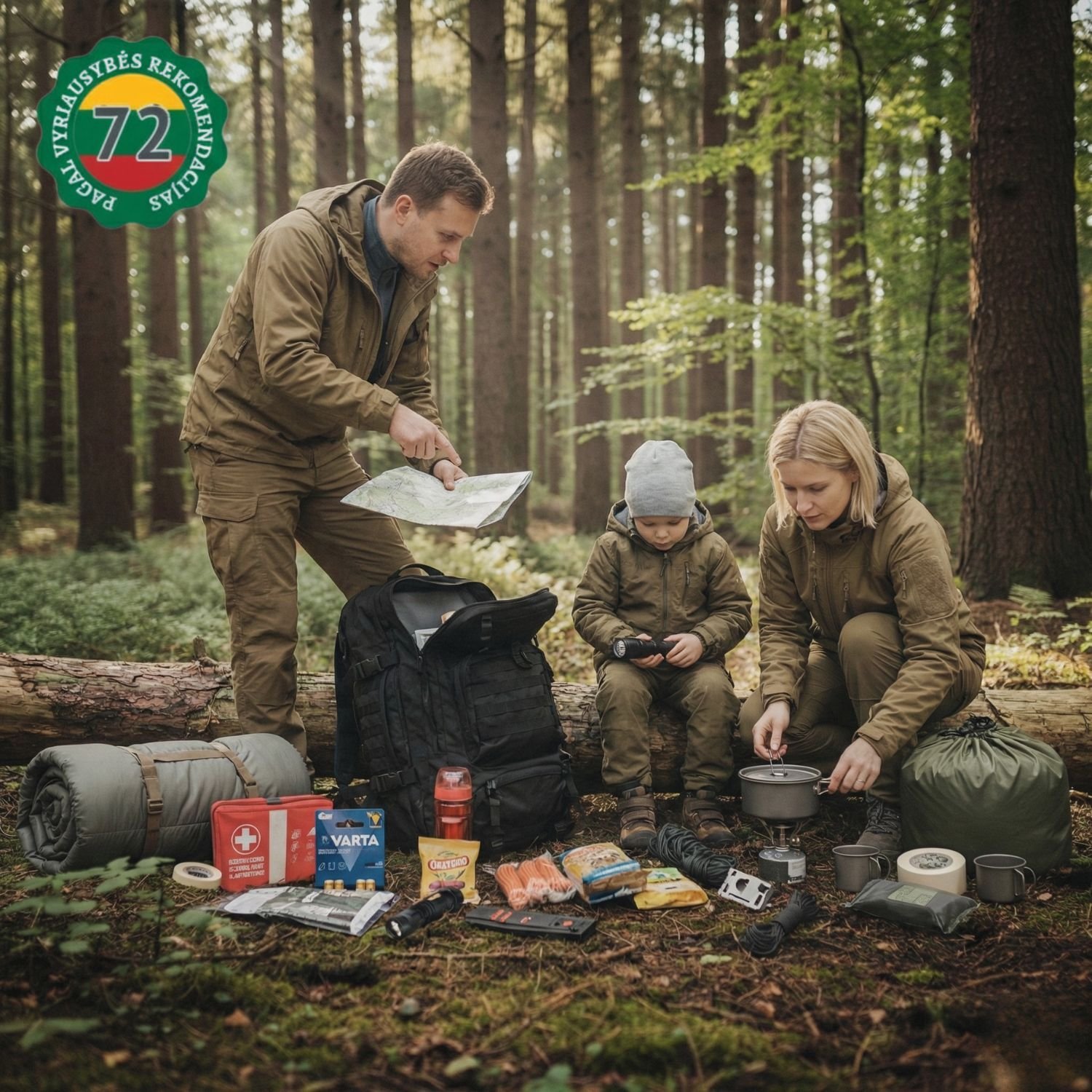
- Lasten reput: Pidä ne kevyinä! Lapset voivat kantaa mukanaan omia henkilökohtaisia tavaroitaan (pehmolelun, piirustusvälineitä), ylimääräisiä vaatteita ja pienen annoksen säilykkeitä (esim. energiapatukoita). Lasten kassien ei tulisi olla liian painavia, jotta ne eivät väsytä heitä.
- Prioriteetit: Kiinnitä erityistä huomiota vauvanruokaan, vaippoihin, erityisiin lääkkeisiin ja mukavuustuotteisiin.
- Suositus: 72 tunnin perhehätäreppu
4. Suurempi perhe (yli 5 henkilöä)
- Suositeltu koko: Yksi henkilökohtainen reppu (30–45 l) aikuiselle ja teini-ikäiselle + pienet laukut lapsille
- Kärki: Yksityiskohtainen jakelusuunnitelma on välttämätön. Voit luoda "erikoistuneita" reppuja:
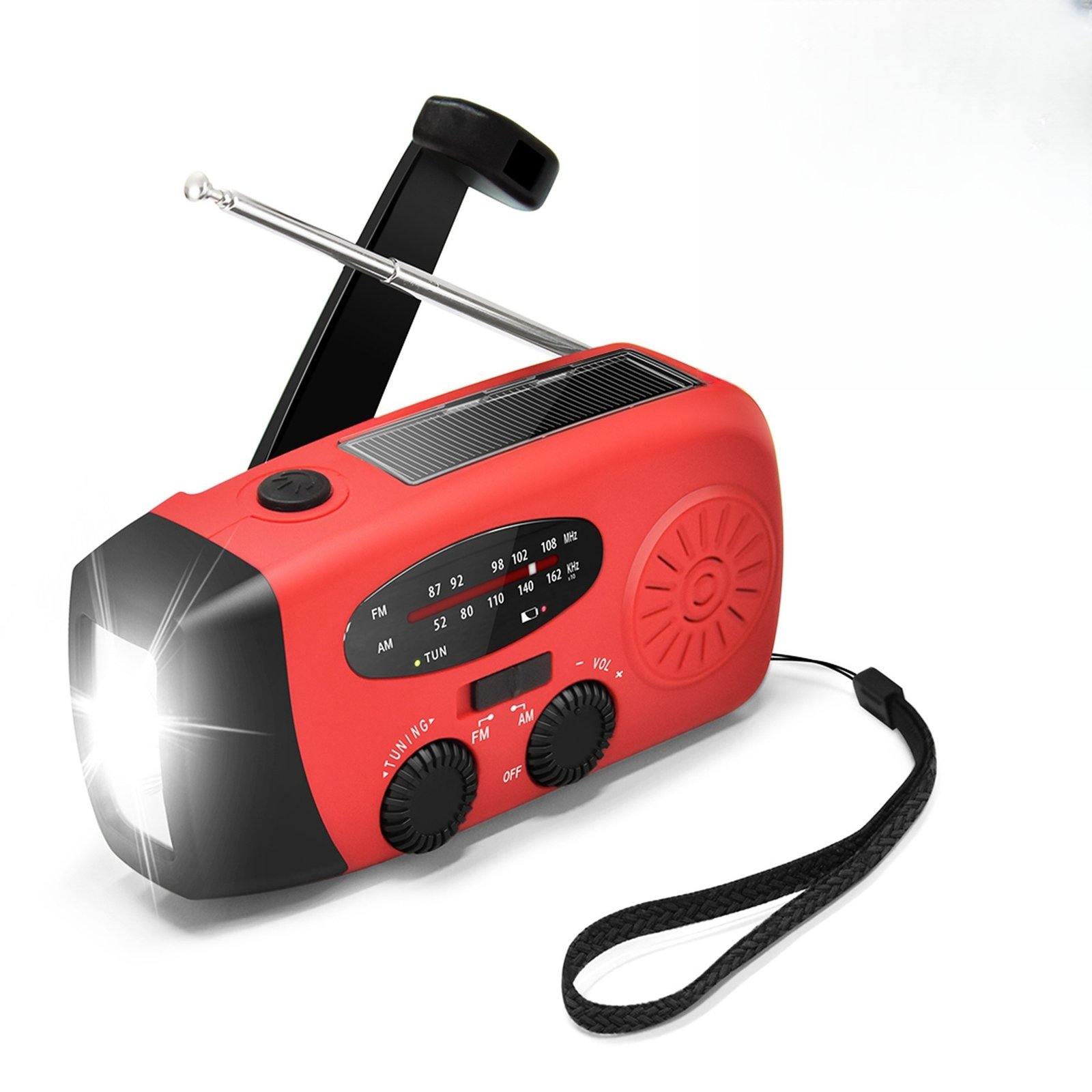
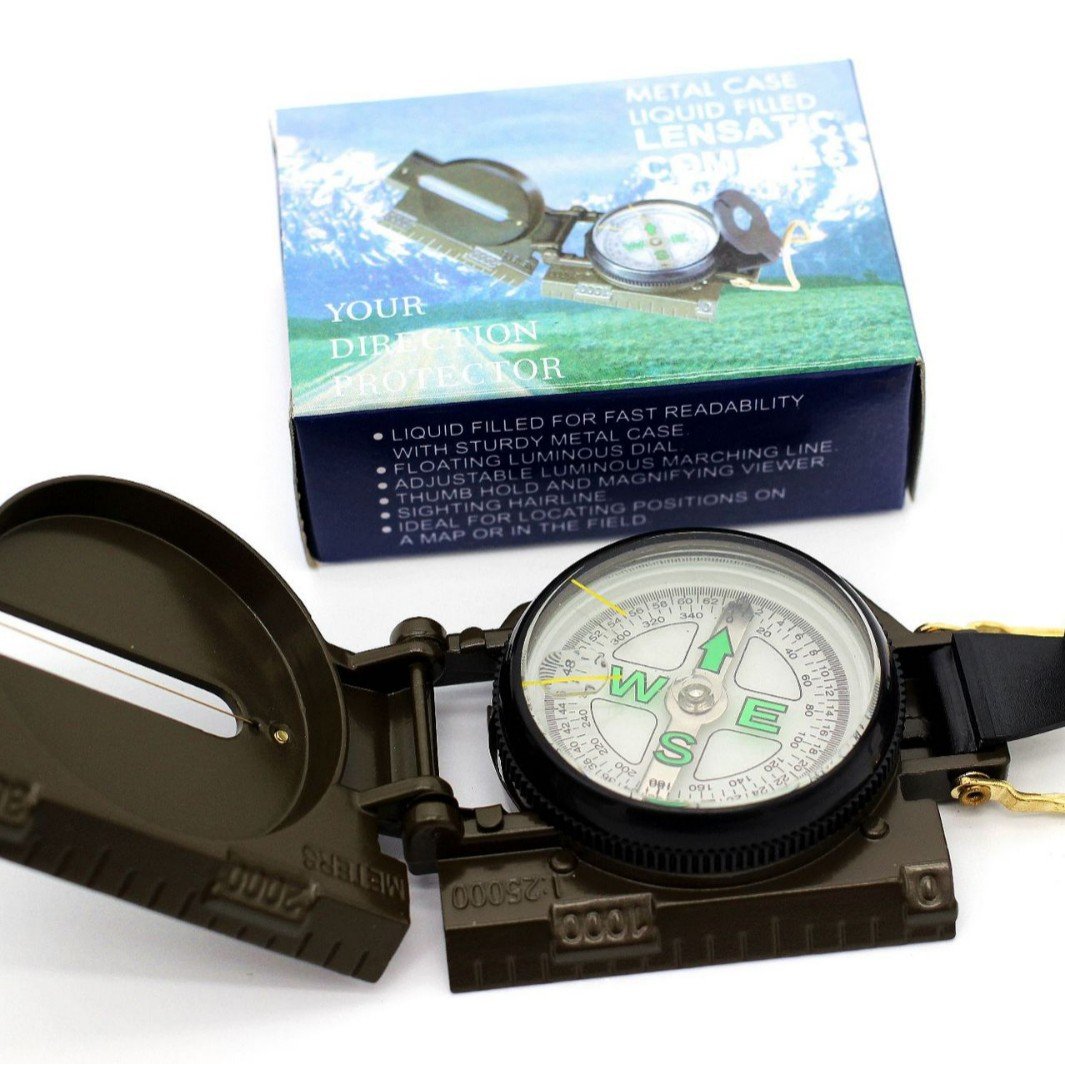
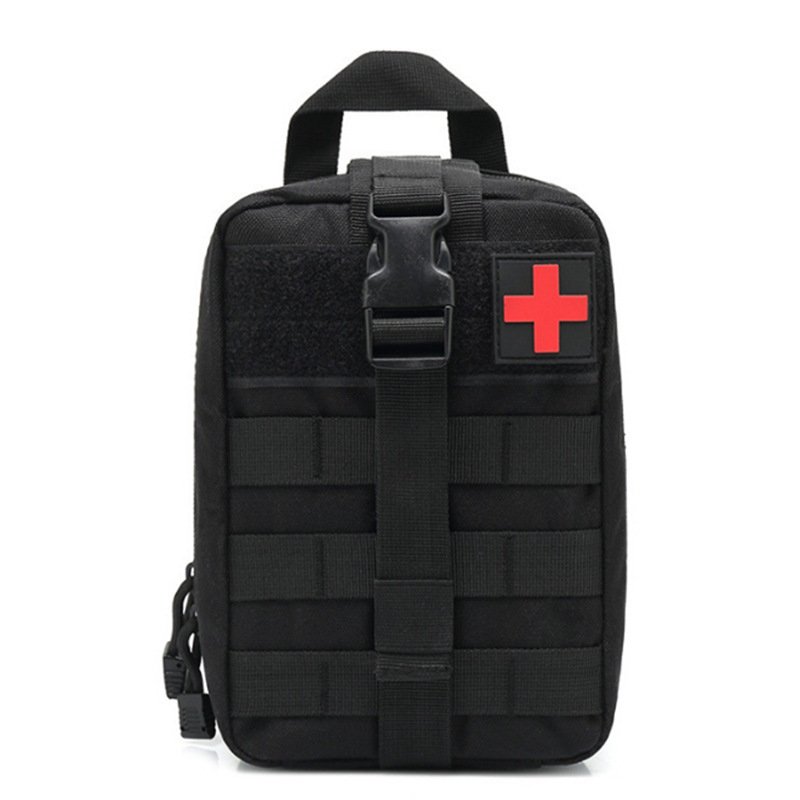
- Pääreppu: Asiakirjat, käteinen, kartat, radio, ensiapulaukku
- Ruokareppu: Kaikki ruoka- ja vesisuodattimet
- Suoja/Lämpö reppu: Teltta, makuupussit, vaatteet
- Suositus: 72 tunnin perhehätäreppu
Tärkeimmät ominaisuudet, joita kannattaa etsiä missä tahansa hätälaukussa
Kokoon katsomatta, pidä nämä tekijät mielessä valitessasi laukkua:
- Kestävyys: Laukun tulee olla valmistettu kestävästä ja vettähylkivästä materiaalista (esim. nailonista).
- Mukavuus: Täyteen lastattunakin laukun tulisi olla mukava kantaa. Etsi malleja, joissa on leveät pehmustetut olkahihnat ja vyötärövyö, jotka auttavat jakamaan painoa lantiolle eikä vain hartioille.
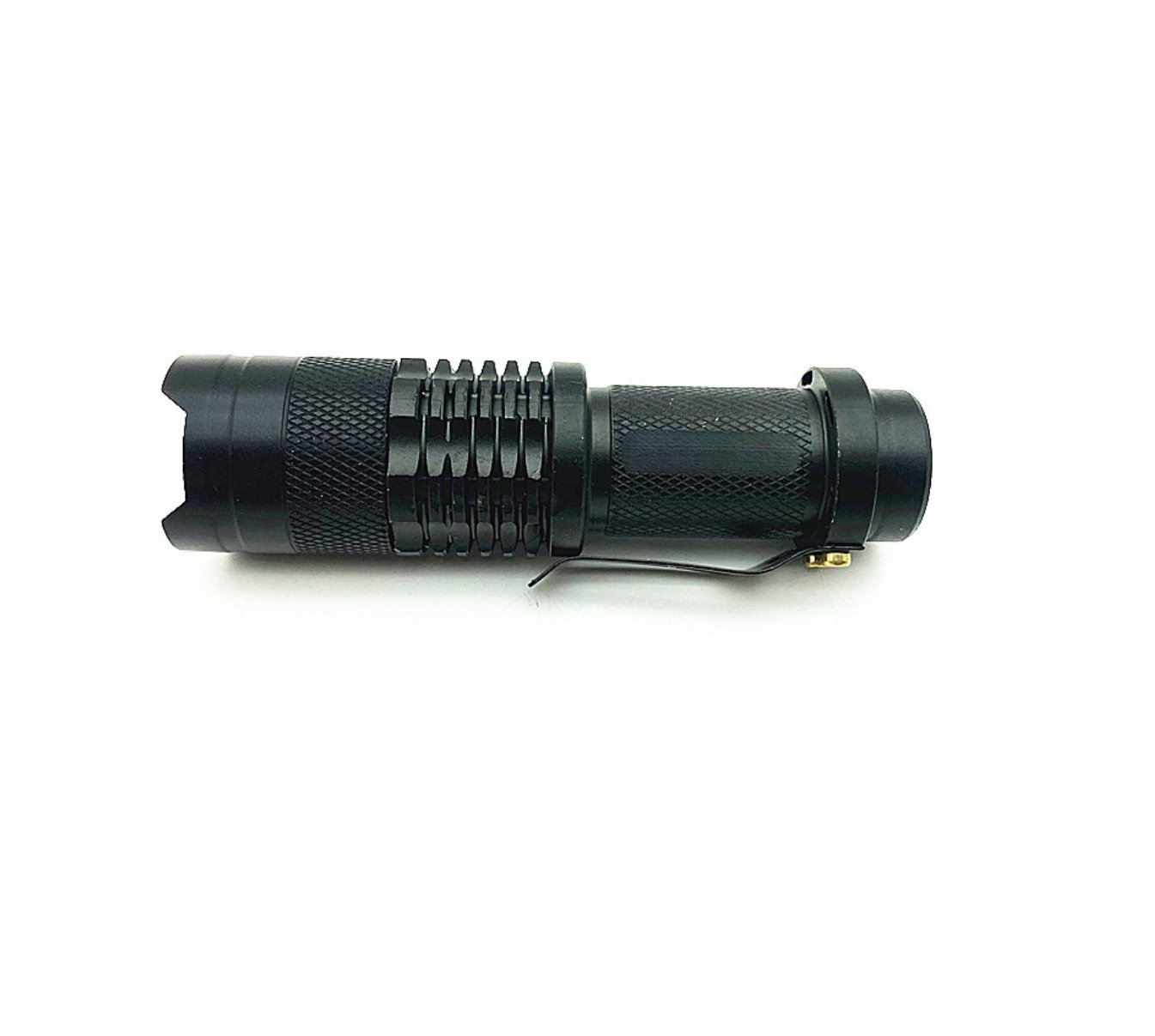
- Organisaatio: Useiden taskujen ja lokeroiden ansiosta tavaroiden löytäminen on helpompaa ja tärkeimmät tarvikkeet (esim. vesi tai taskulamppu) ovat nopeasti saatavilla.
- Väri: Vaikka kirkkaat värit on helpompi havaita, huomaamaton väri (harmaa, vihreä, musta) voi olla parempi valinta.