Civilbeskyttelsessignaler hjælper myndighederne med at advare beboere om nødsituationer. Beboere advares om overhængende eller igangværende nødsituationer gennem flere kanaler: sirener, mobilalarmer og medierne. Hele det offentlige varslingssystem er designet til at levere information så hurtigt som muligt, så folk kan handle i tide.
Det vigtigste nationale advarselssignal er "Opmærksomhed alle". Dette er en pulserende lyd af cirka tre minutter, der udsendes af stationære og elektroniske sirenesystemer. Når beboerne hører dette signal, bør de straks tænde for radio, fjernsyn eller officielle regeringskanaler på deres telefon. Så sirener og civilbeskyttelsessignaler: hvad har alle brug for at vide?
Ud over den generelle advarsel anvendes der også specifikke civilbeskyttelsessignaler. Disse omfatter advarsler om kemiske farer, strålingsfarer, oversvømmelser, orkaner, lufttrusler og andre hændelser. Hvert signal har et klart formål – at kommunikere, hvilken trussel der er til stede, og hvordan man reagerer på den sikreste måde.
Offentlige advarsler leveres via flere kanaler: sirener, tekstbeskeder til mobiltelefoner, radio, tv og kommunale informationskanaler. Officielle oplysninger om civilbeskyttelse bør kun verificeres gennem offentlige institutioner. Regelmæssige test er en nødvendighed for systemet. Under disse test aktiveres sirener kortvarigt, og der sendes advarselsmeddelelser til beboerne. Sådanne test er med til at sikre, at hele infrastrukturen fungerer korrekt, og at advarsler når ud til så mange mennesker som muligt i en reel nødsituation.
Civilbeskyttelsessignaler: Sådan reagerer du, når du hører sirener
Når du hører sirener, er det vigtigste at reagere roligt og hurtigt. Tænd først for national radio eller tv og lyt til den officielle meddelelse. Følg derefter instruktionerne: Hvis du bliver rådet til at blive indendørs, skal du lukke alle vinduer, døre og ventilationsåbninger; hvis der annonceres en evakuering, skal du samle nødvendige genstande og gå i den angivne retning.
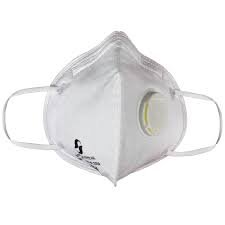
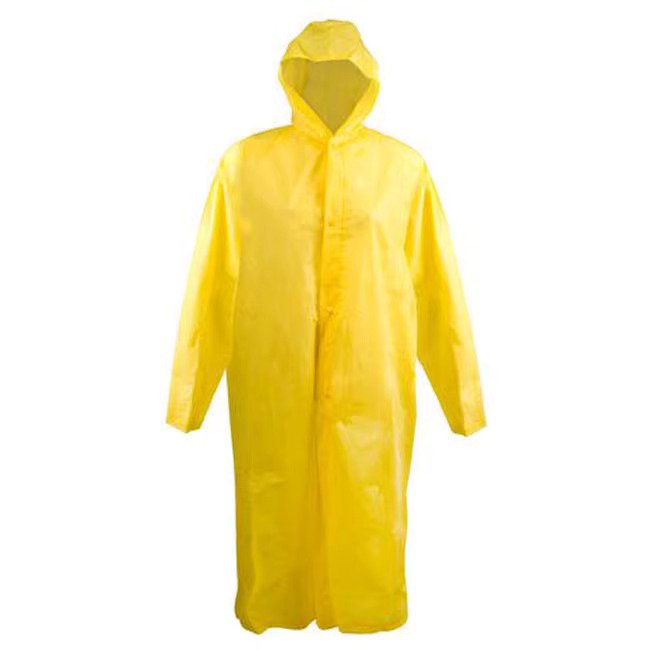
Hvis advarslen vedrører en kemisk lækage, skal du undgå at gå udenfor og forsegle dine lokaler. I tilfælde af strålingsfare anbefales det at begrænse tid udendørs og, hvis det meddeles, tage stabile jodpræparater.
Hjemmeforberedelse — Hvad eksperterne anbefaler
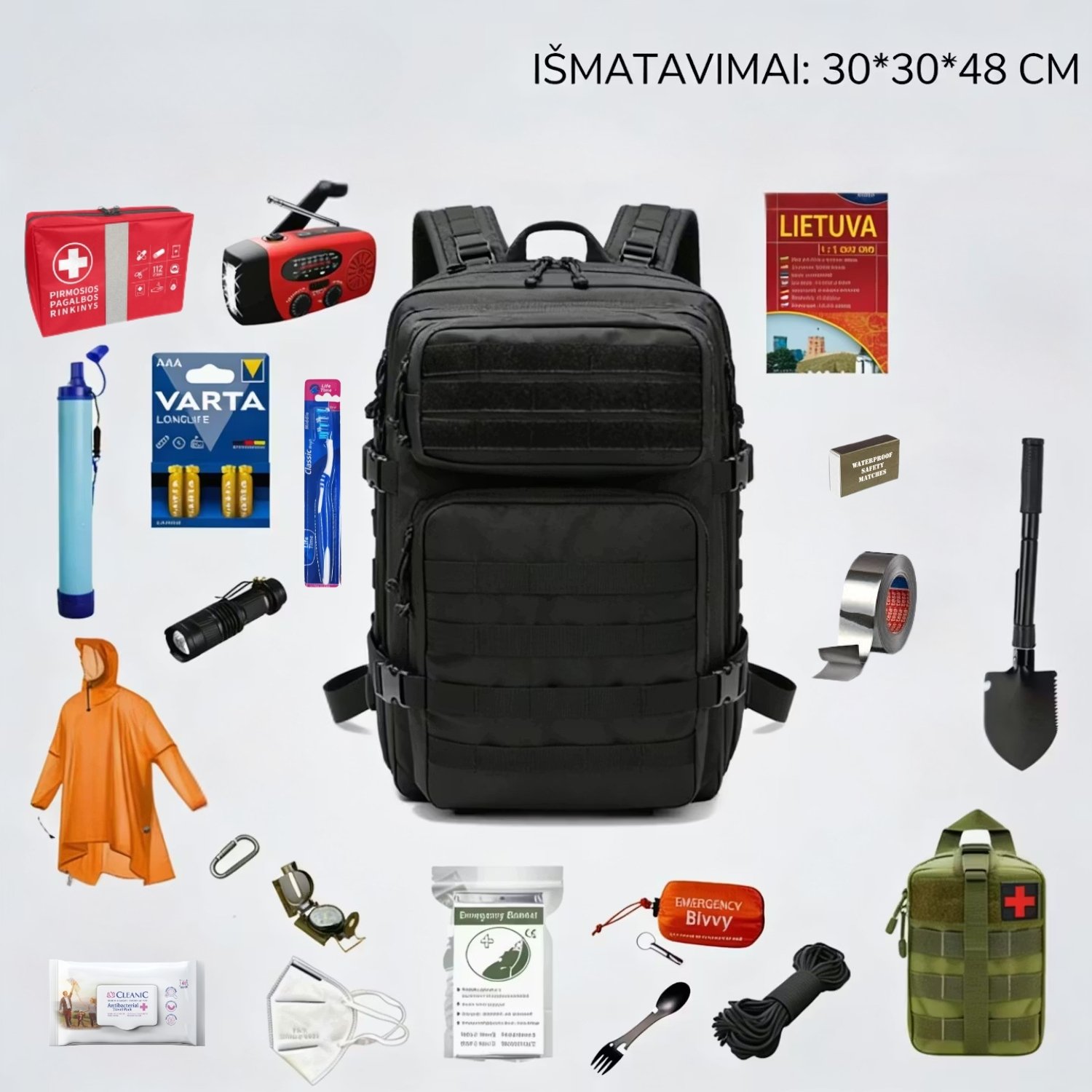
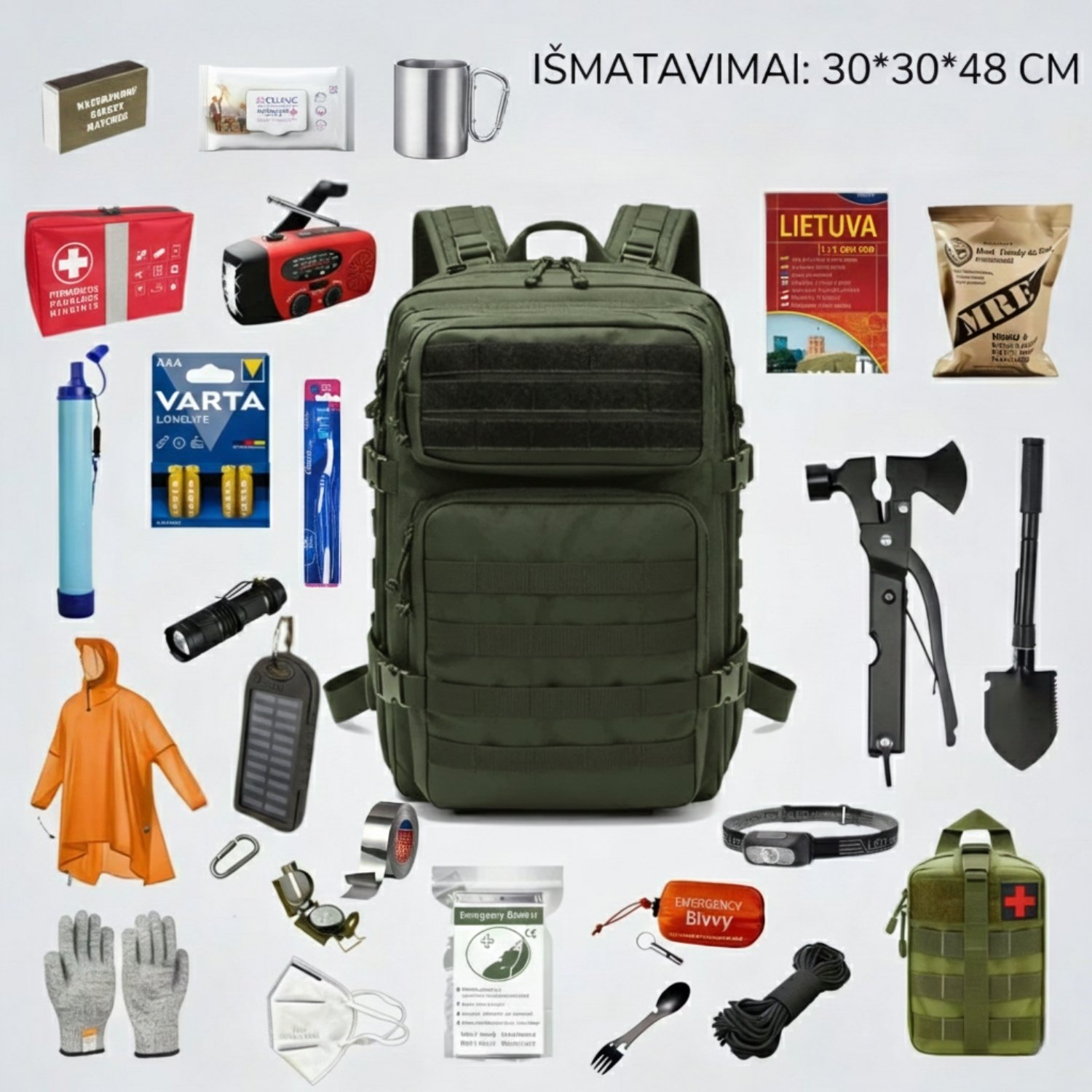
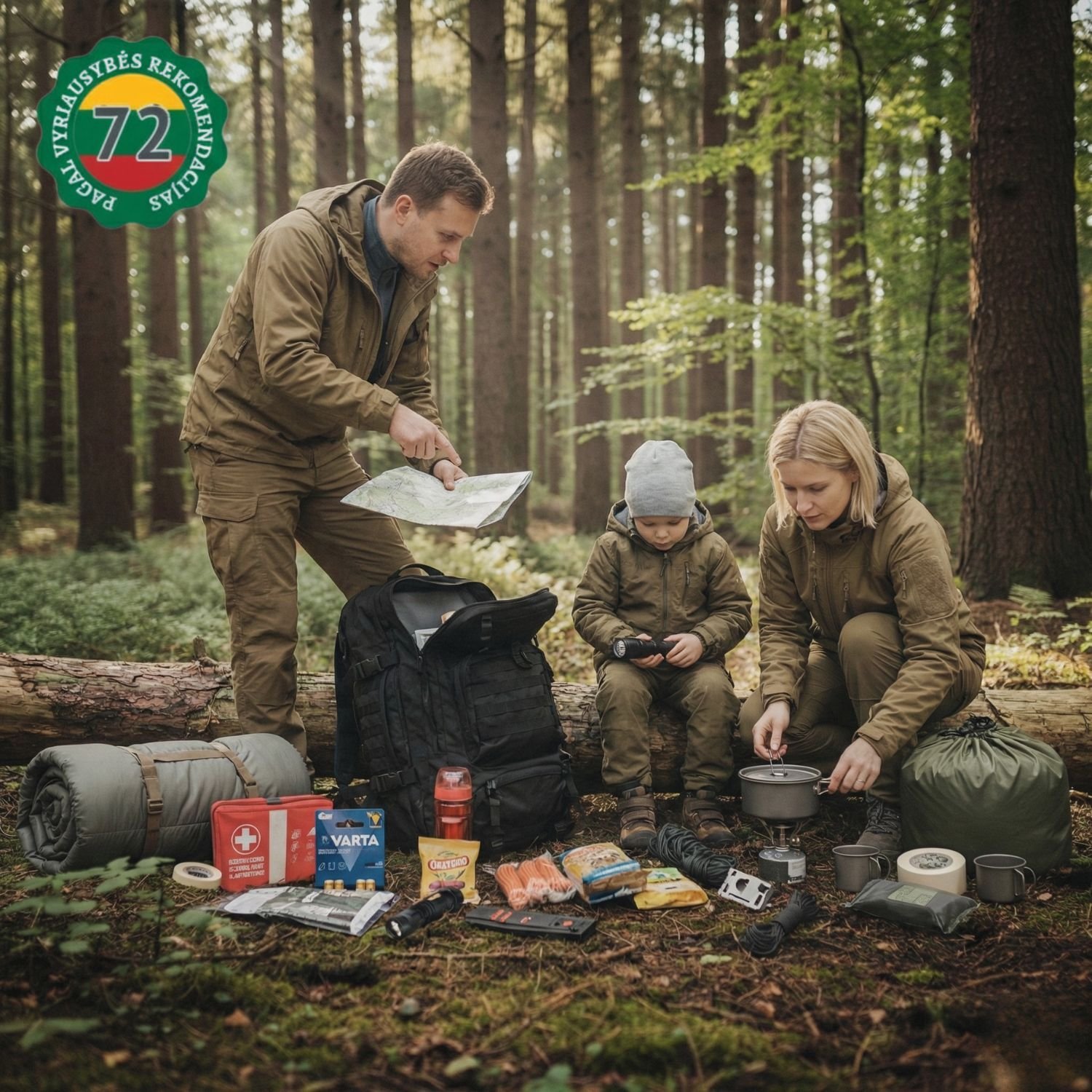
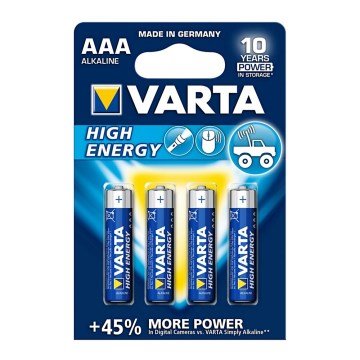
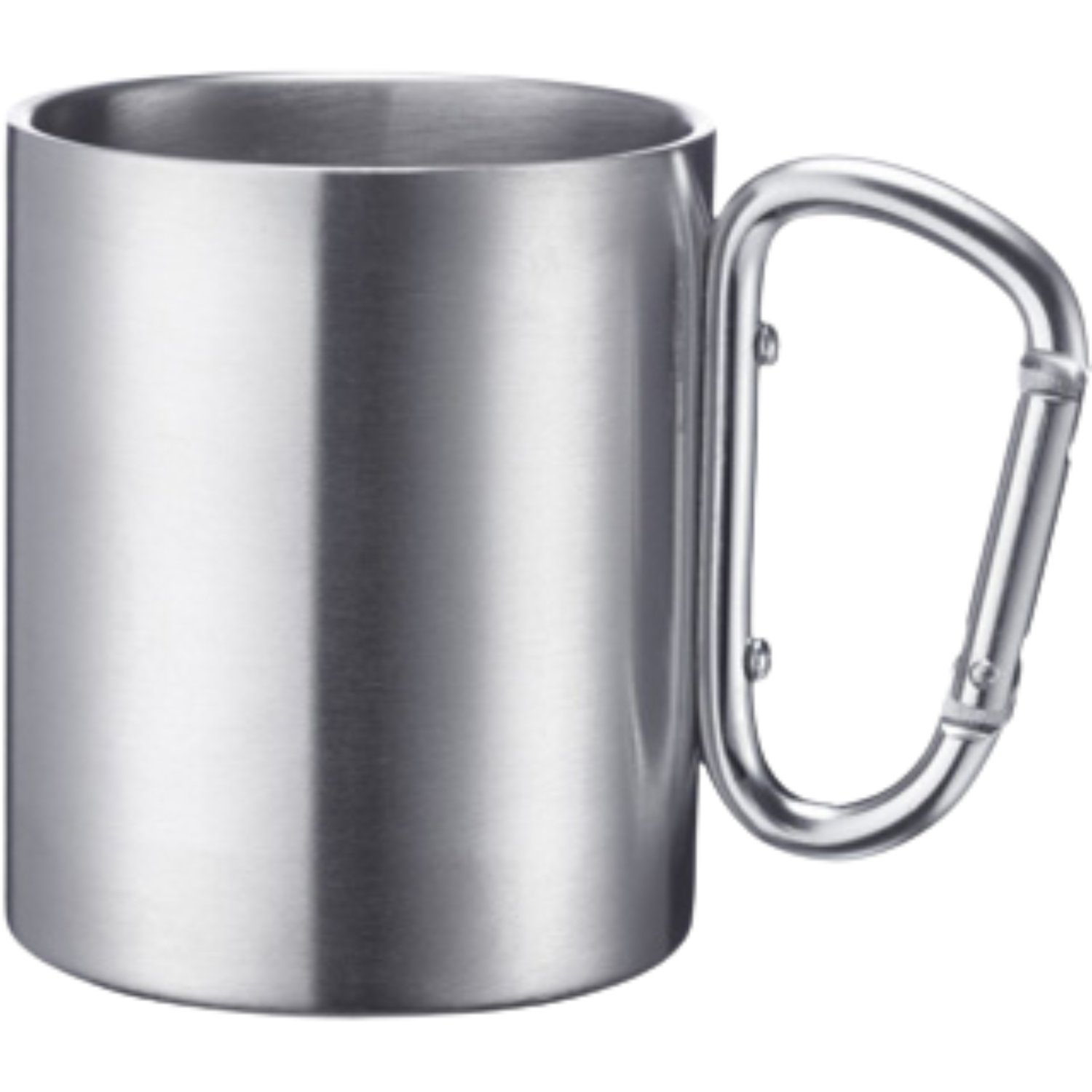
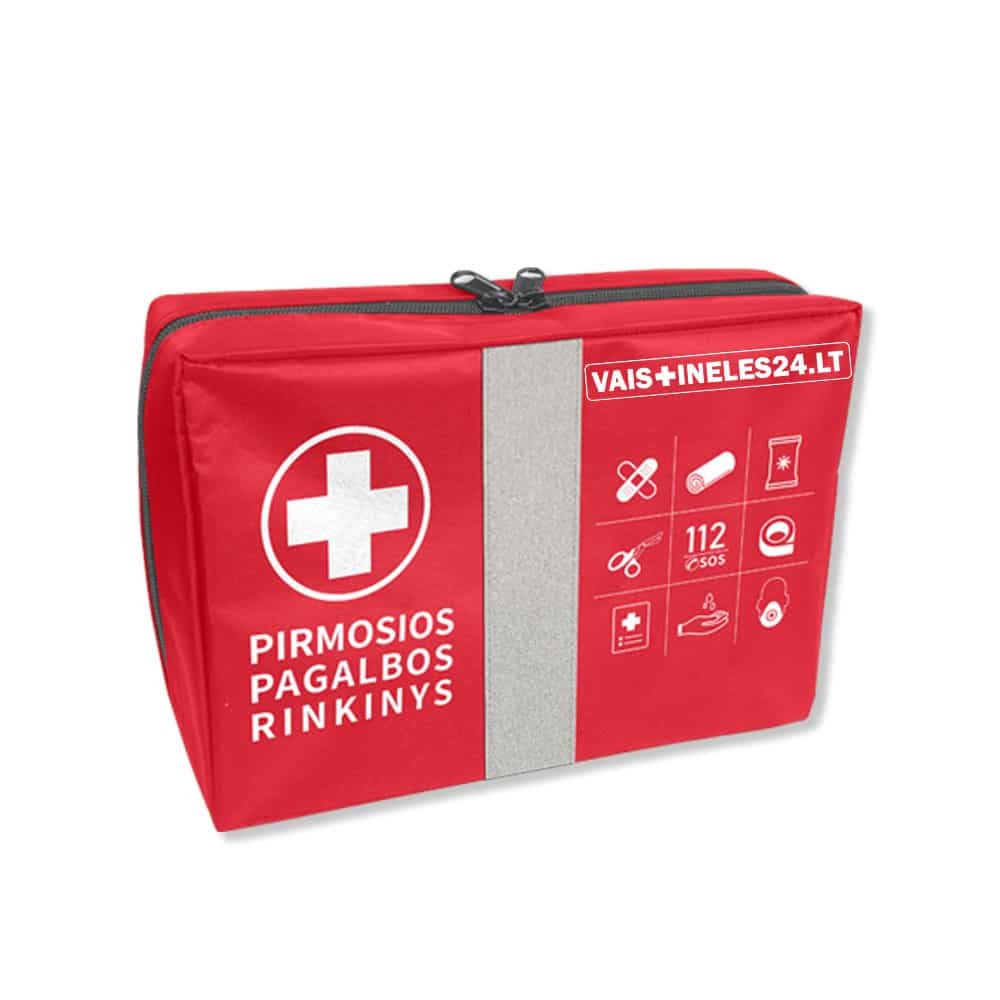
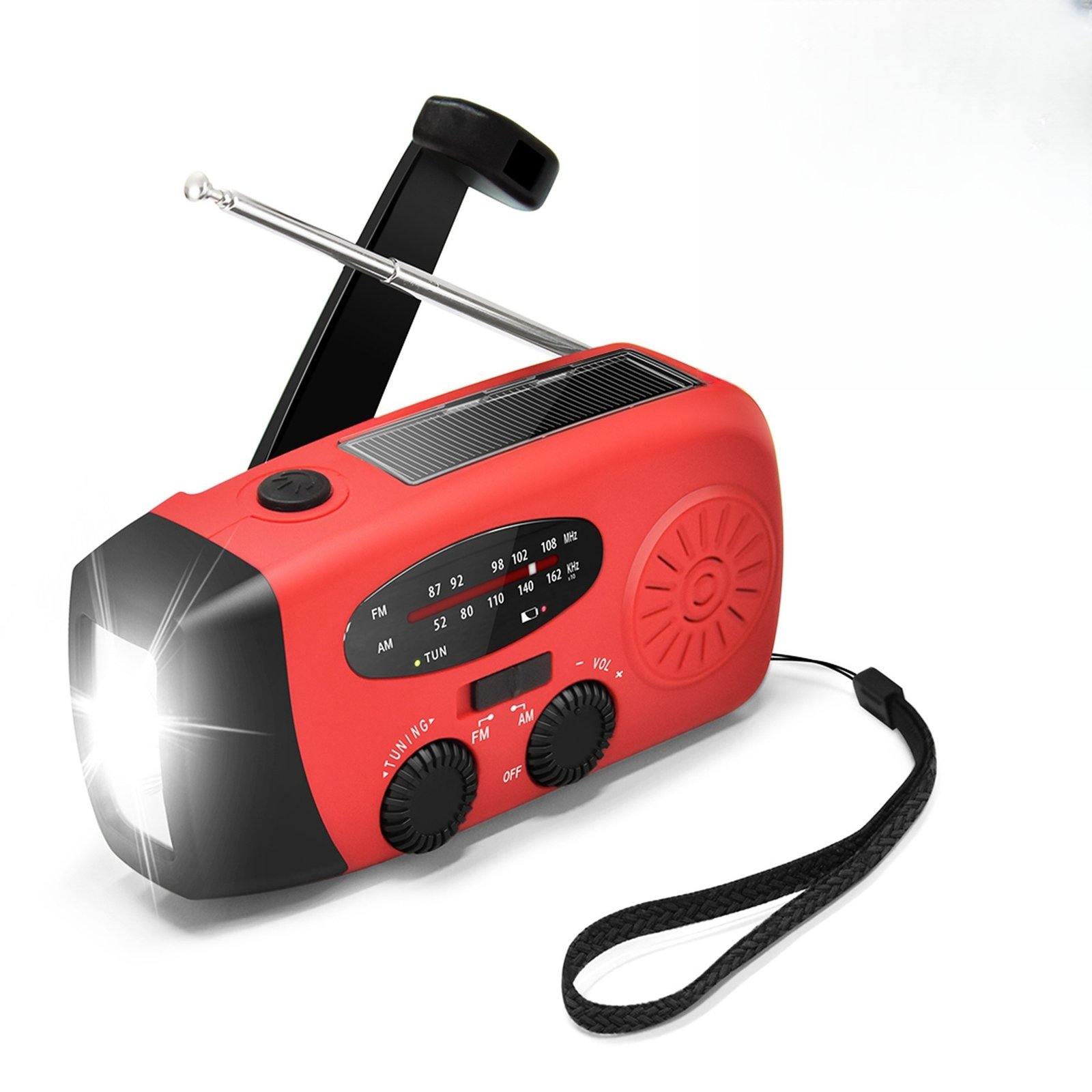
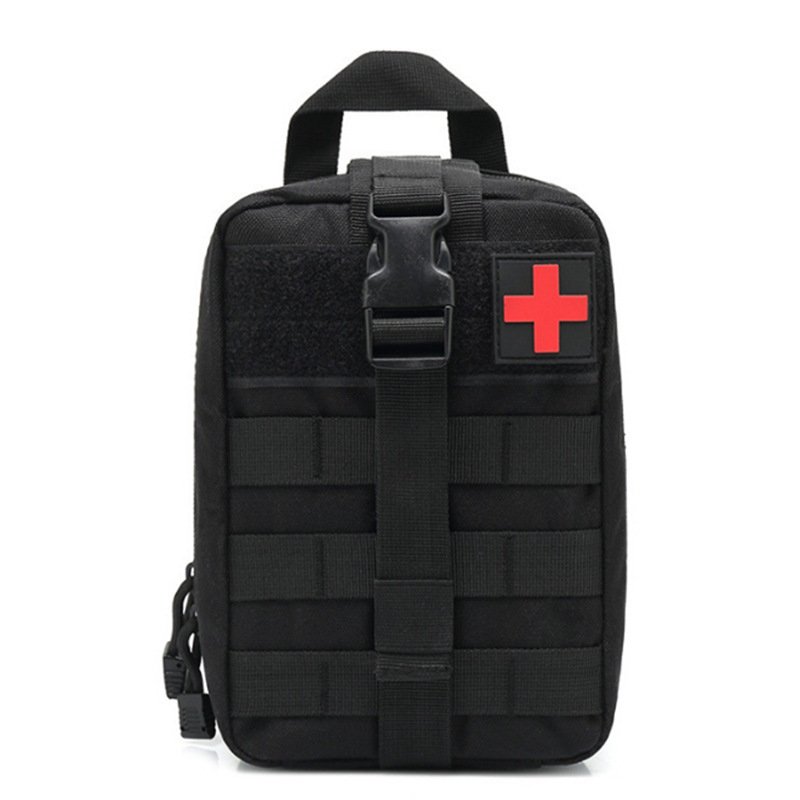
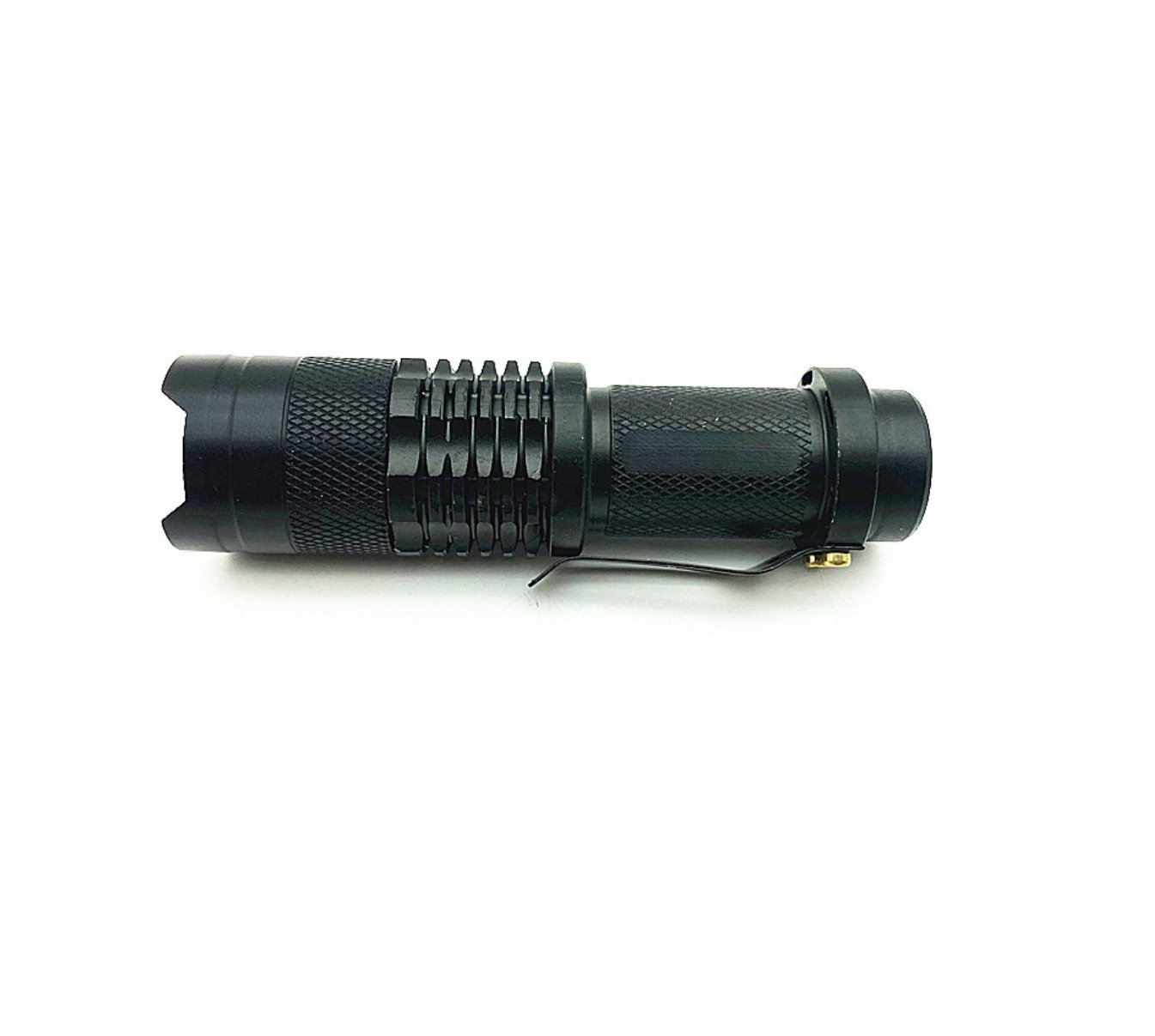
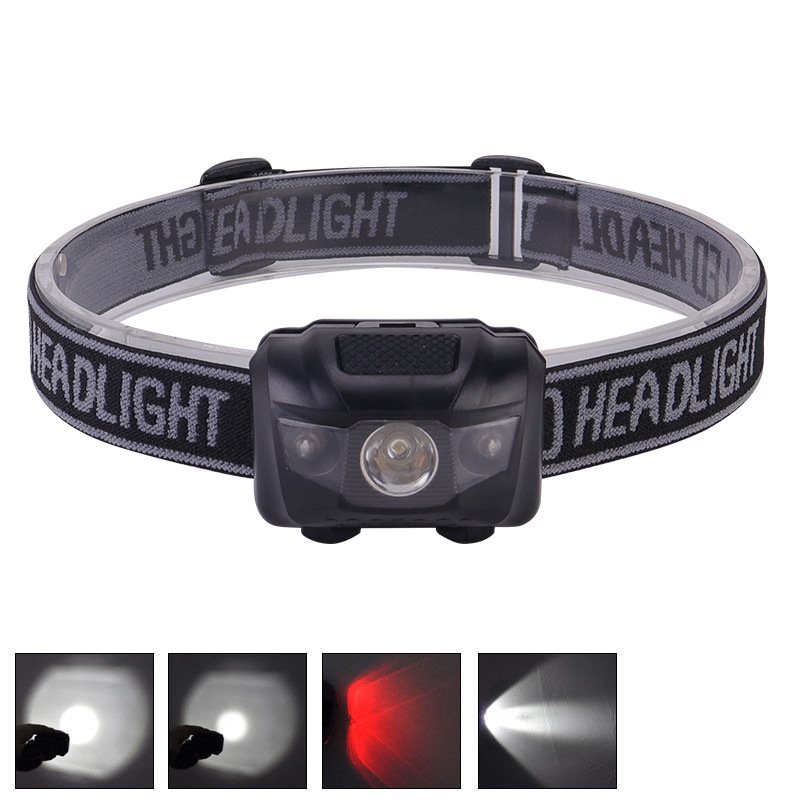
Myndighederne anbefaler, at alle familier har et forsyningskit, der er tilstrækkeligt til mindst 72 timer. Dette inkluderer: vand, holdbare fødevarer, en lommelygte, en radiomodtager, ekstra batterier, førstehjælpsudstyr, hygiejneartikler, kæledyrsfoder og kopier af vigtige dokumenter.
Flere detaljer og praktiske tips kan findes i vores artikelsektion, hvor vejledninger, instruktioner og forberedelsesanbefalinger regelmæssigt udgives.
72-timers overlevelsesrygsækken — det vigtigste element i beredskab
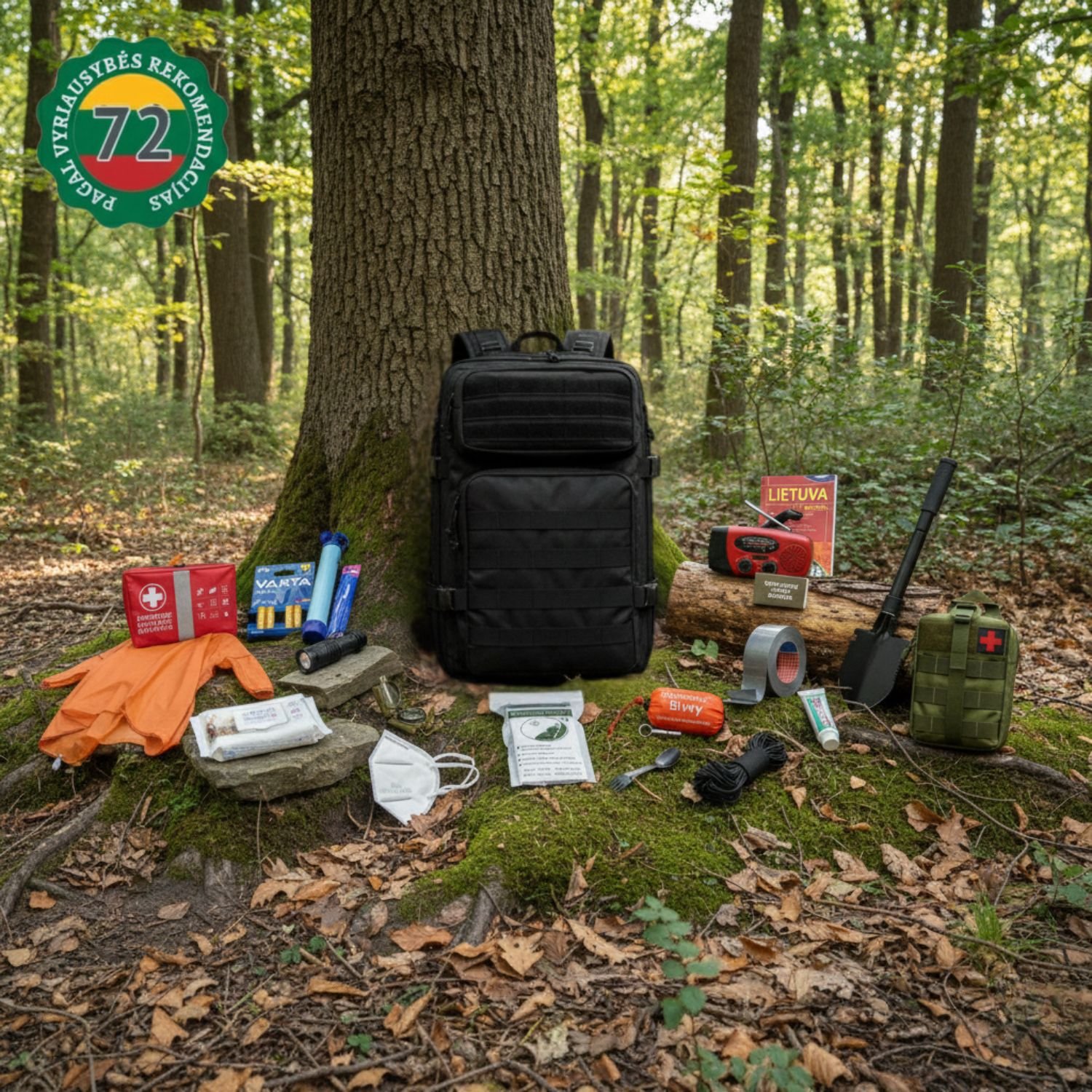
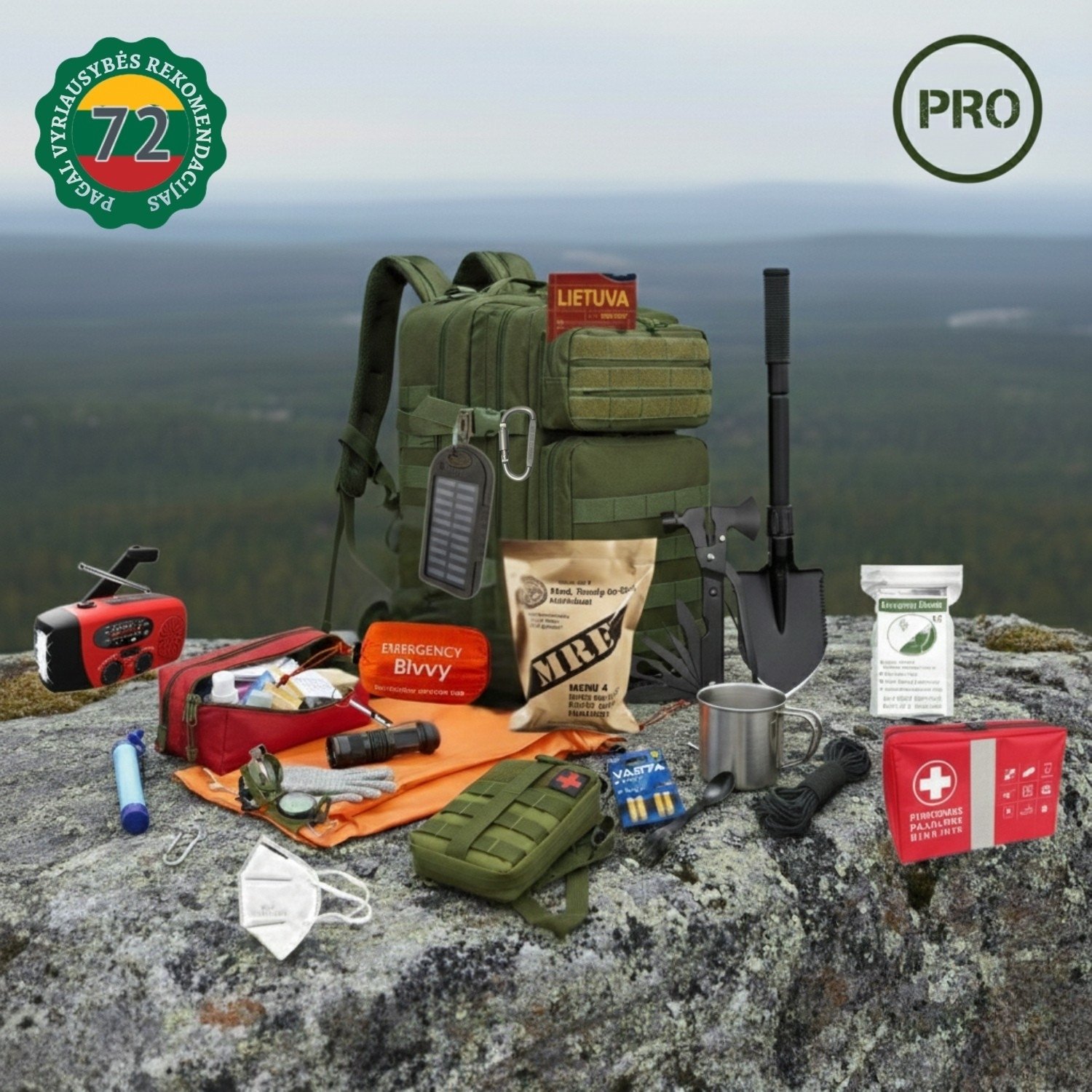
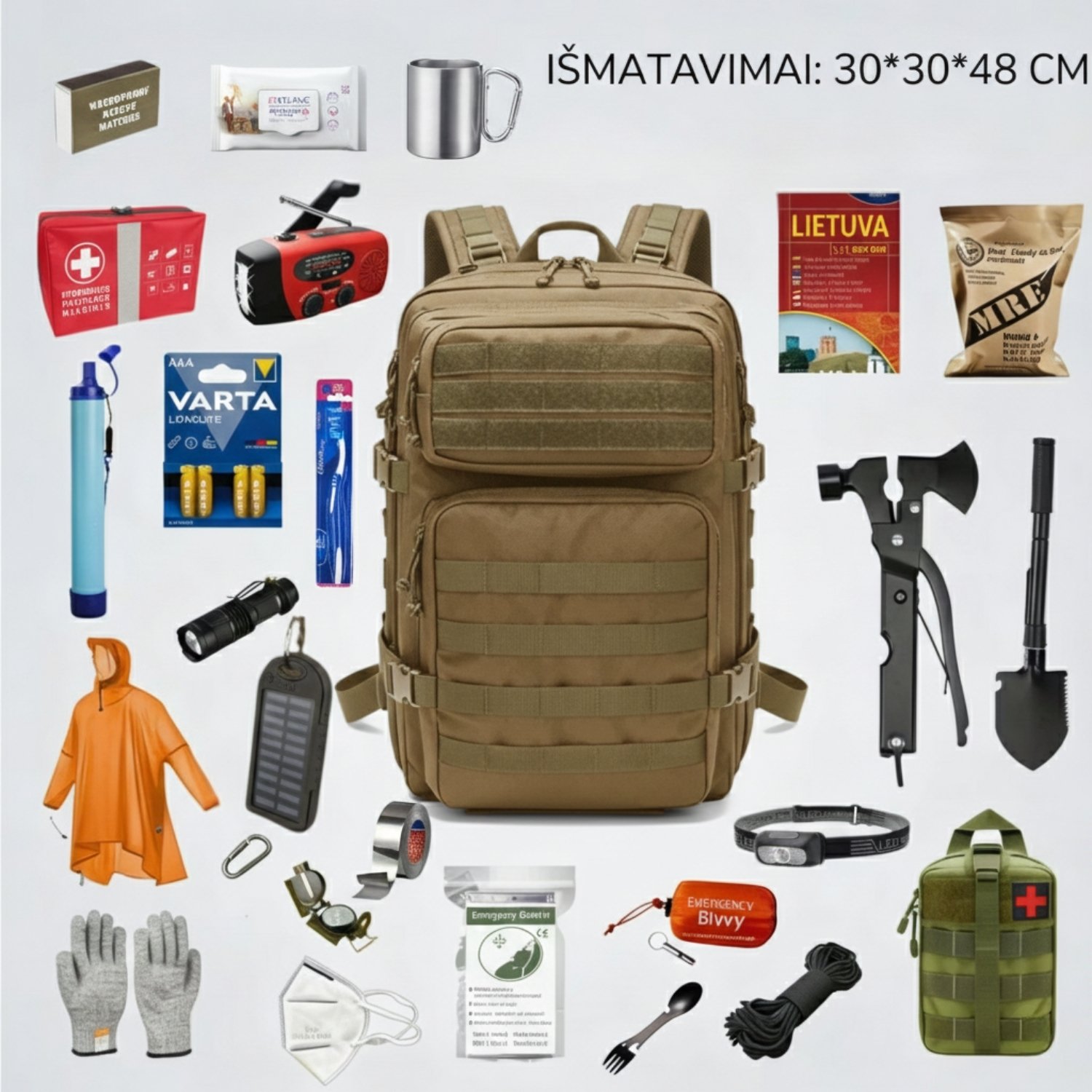
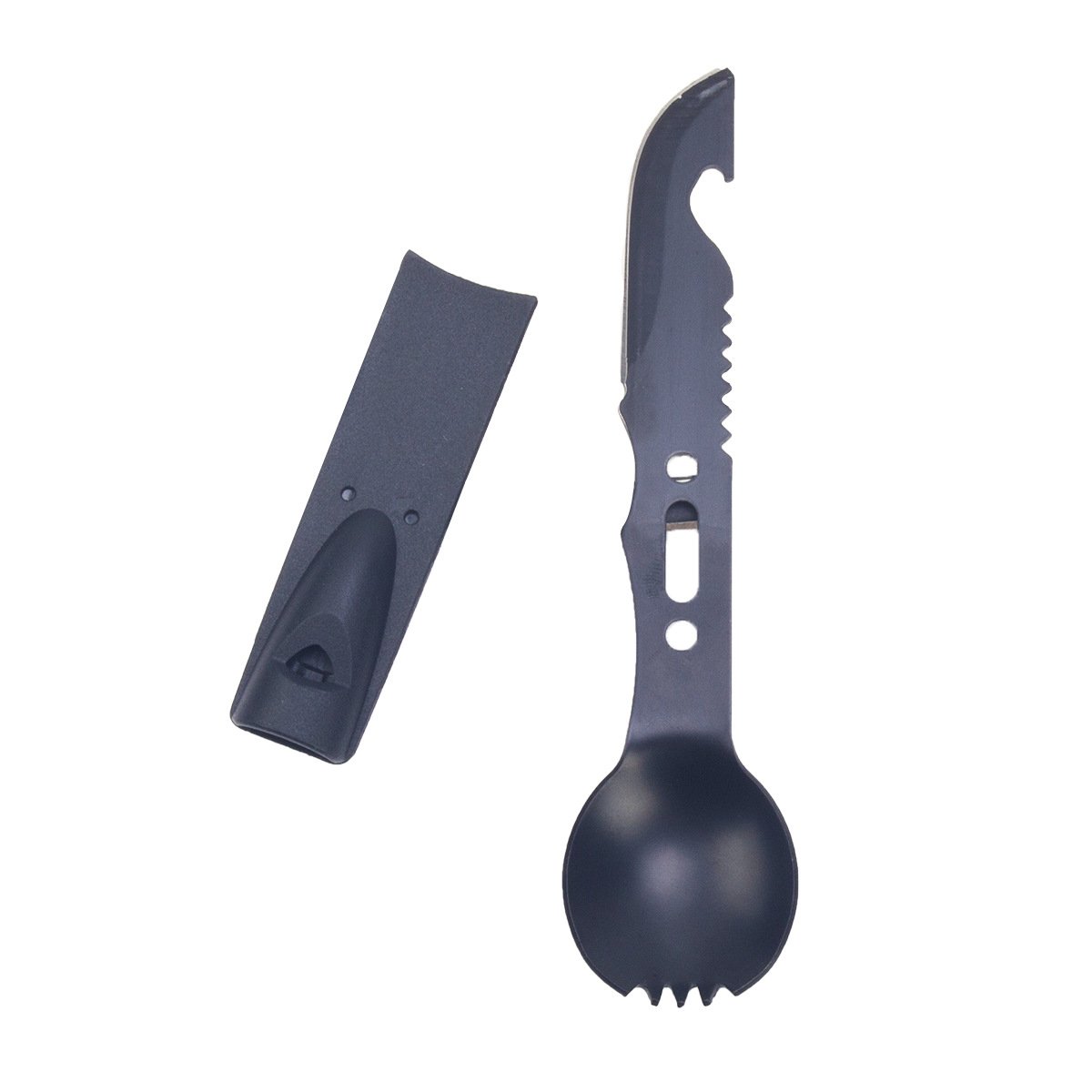
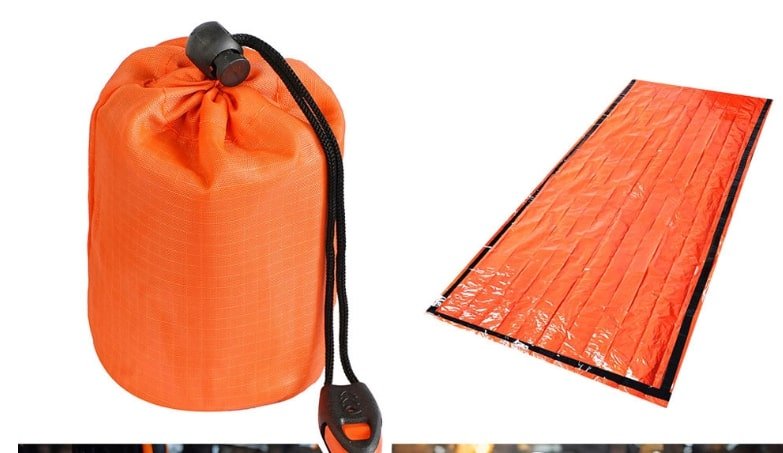
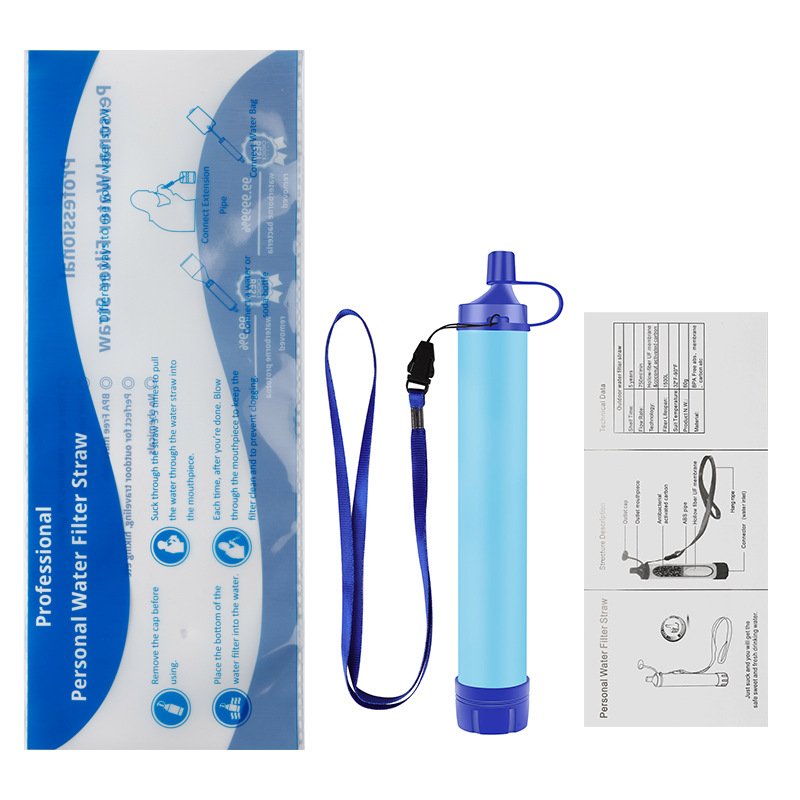
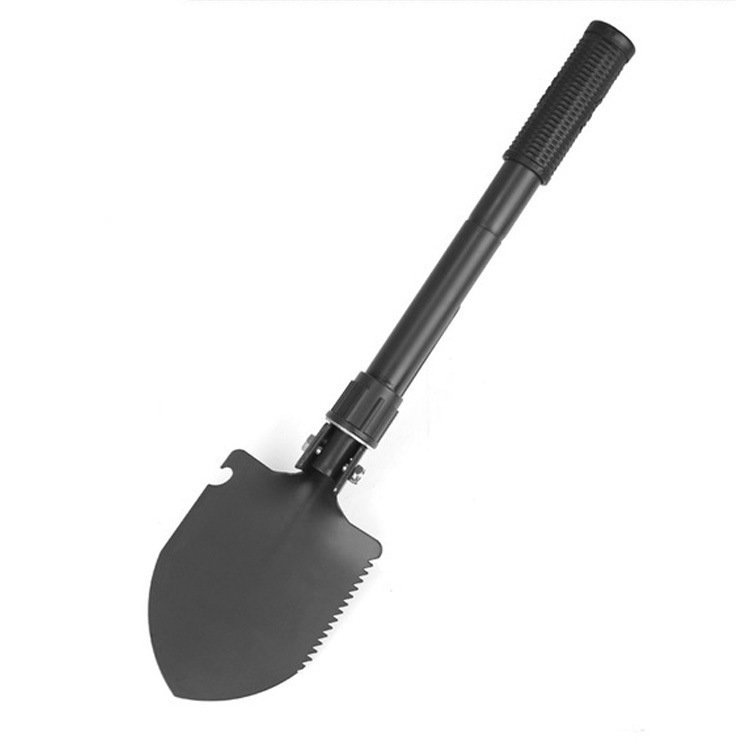
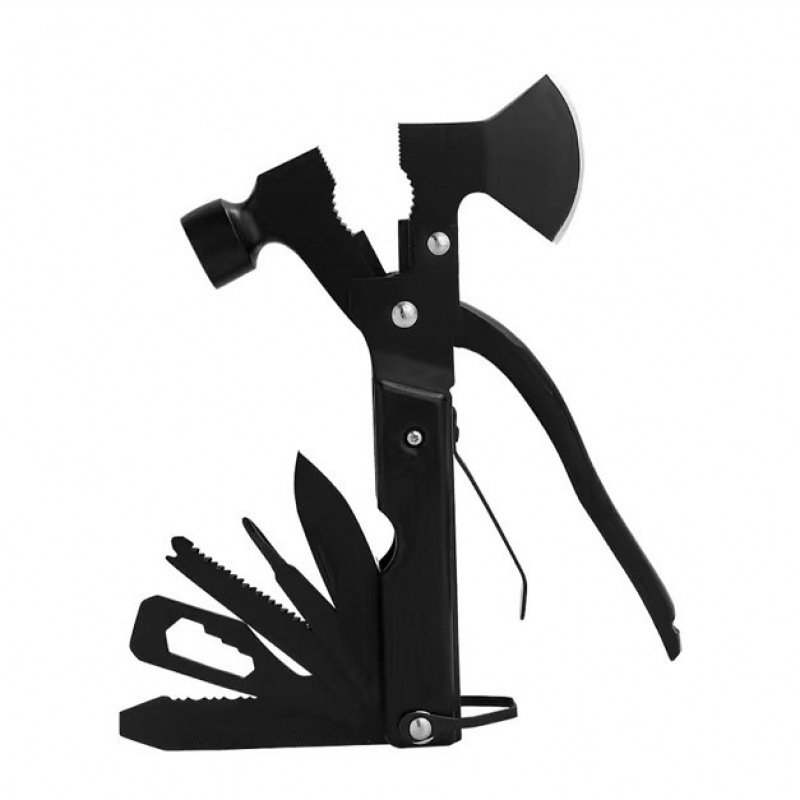
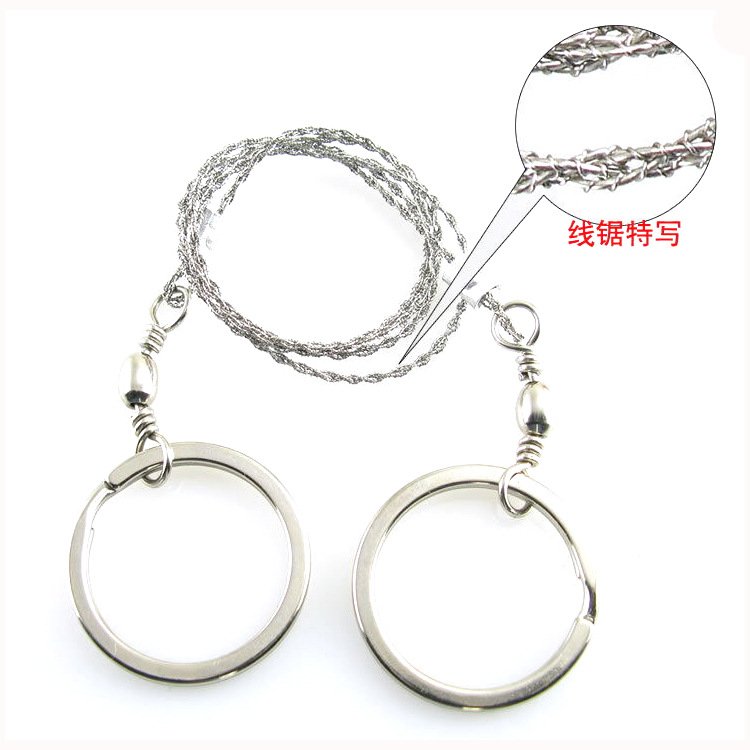
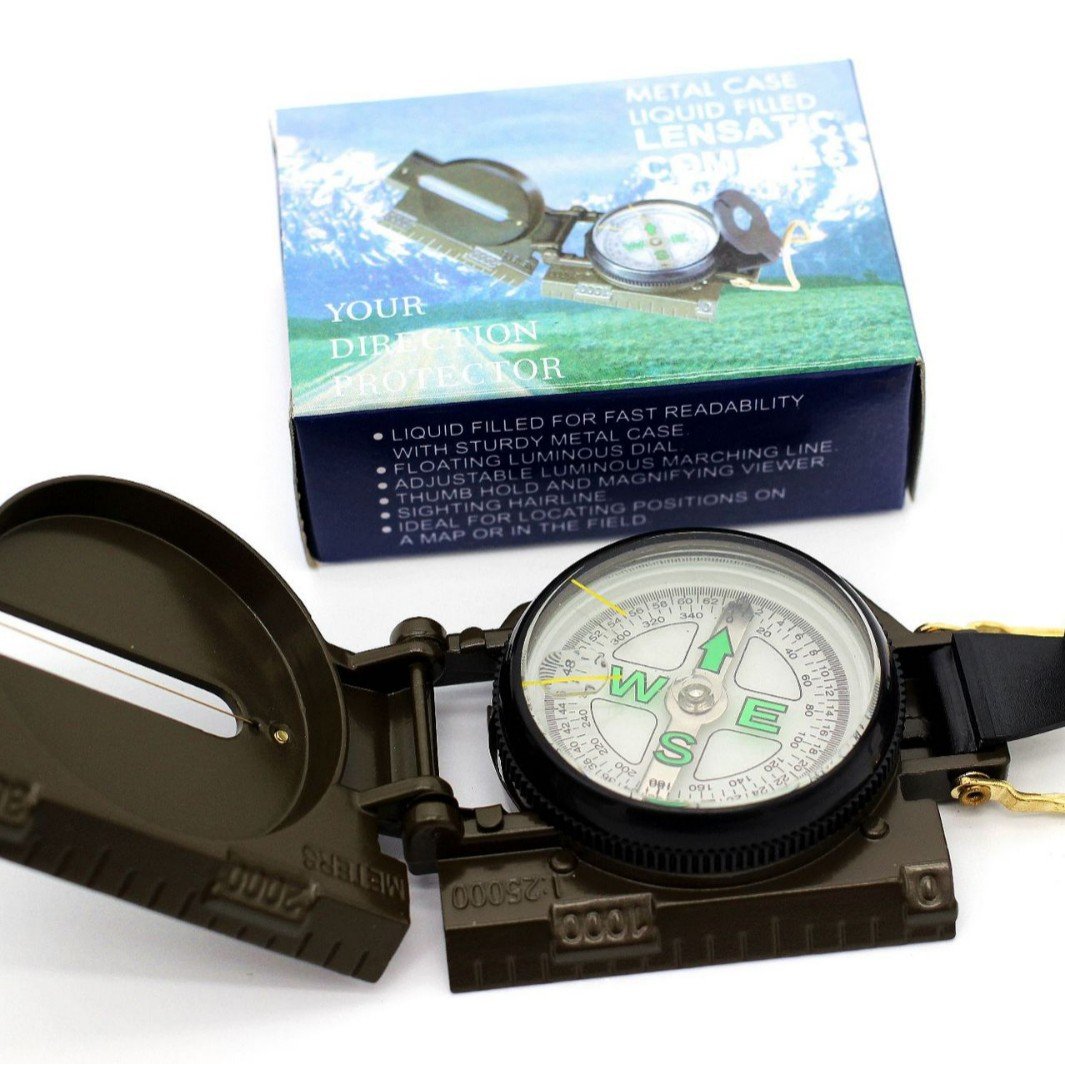
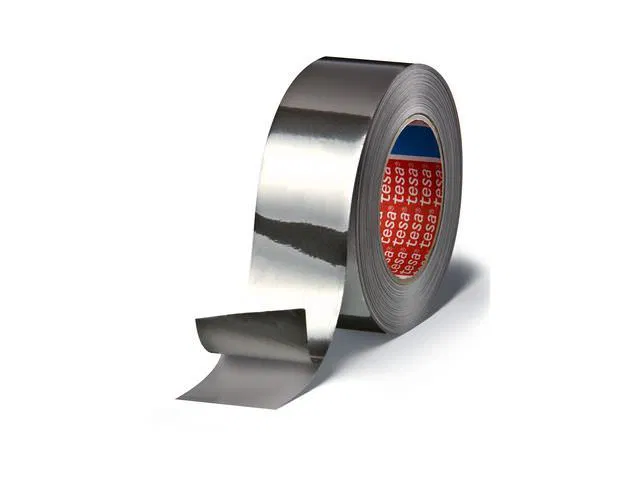
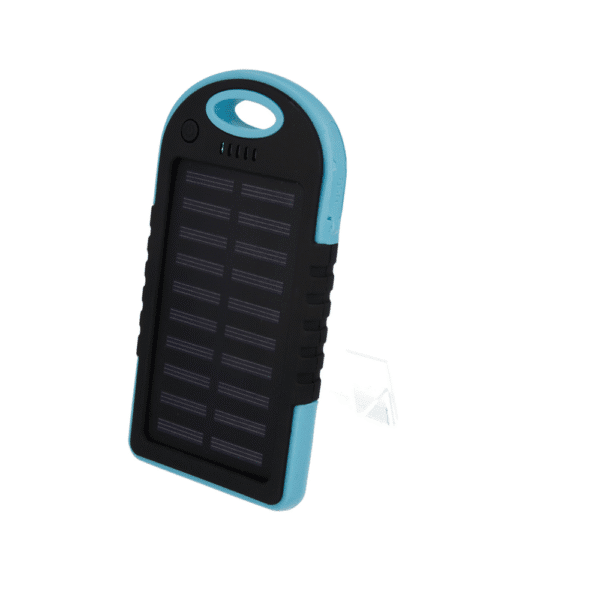
Et af de vigtigste forberedelsestrin er at have en færdigpakket overlevelsesrygsæk. Dette er et specialbygget sæt, som du nemt kan gribe fat i og evakuere med det samme, uden yderligere forberedelse. Et sæt indeholder typisk vandrensningsudstyr, madrationer, et førstehjælpskit, en lommelygte, et nødtæppe, en kniv, handsker, hygiejneprodukter, energikilder, brandtændingsværktøj, reb og andre vigtige ting. Disse forsyninger hjælper dig med at overleve de første 72 timer, mens myndighederne genopretter tjenester eller sørger for evakueringsruter.
Hvis du ikke har tid til at samle alle de nødvendige ting selv, anbefaler vi at købe en færdiglavet professionel 72 timers overlevelsesrygsæk der opfylder internationale beredskabsstandarder og sikrer, at du ikke glemmer noget i det mest kritiske øjeblik.
Information og beredskab — fundamentet for din sikkerhed
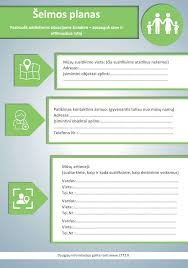
Jo mere vi ved om signaler fra civilbeskyttelsen, desto mere effektivt kan vi reagere. Sirener og mobilalarmer advarer os om fare, men ansvaret for at handle korrekt ligger hos os. Beredskab er ikke kompliceret, og fordelene kan være afgørende. Tjek regelmæssigt dit forsyningskit, hav en klar handlingsplan for familien, og følg de seneste oplysninger i vores artikelsektion.
Civilbeskyttelse er en fælles anliggende for os alle. Jo bedre vi forstår, hvordan varslingssystemet fungerer, og hvordan vi beskytter os selv og vores kære, desto større er chancen for, at vi i en nødsituation forbliver sikre og klar til at handle. For flere officielle retningslinjer, besøg Litauens civilbeskyttelsesafdeling