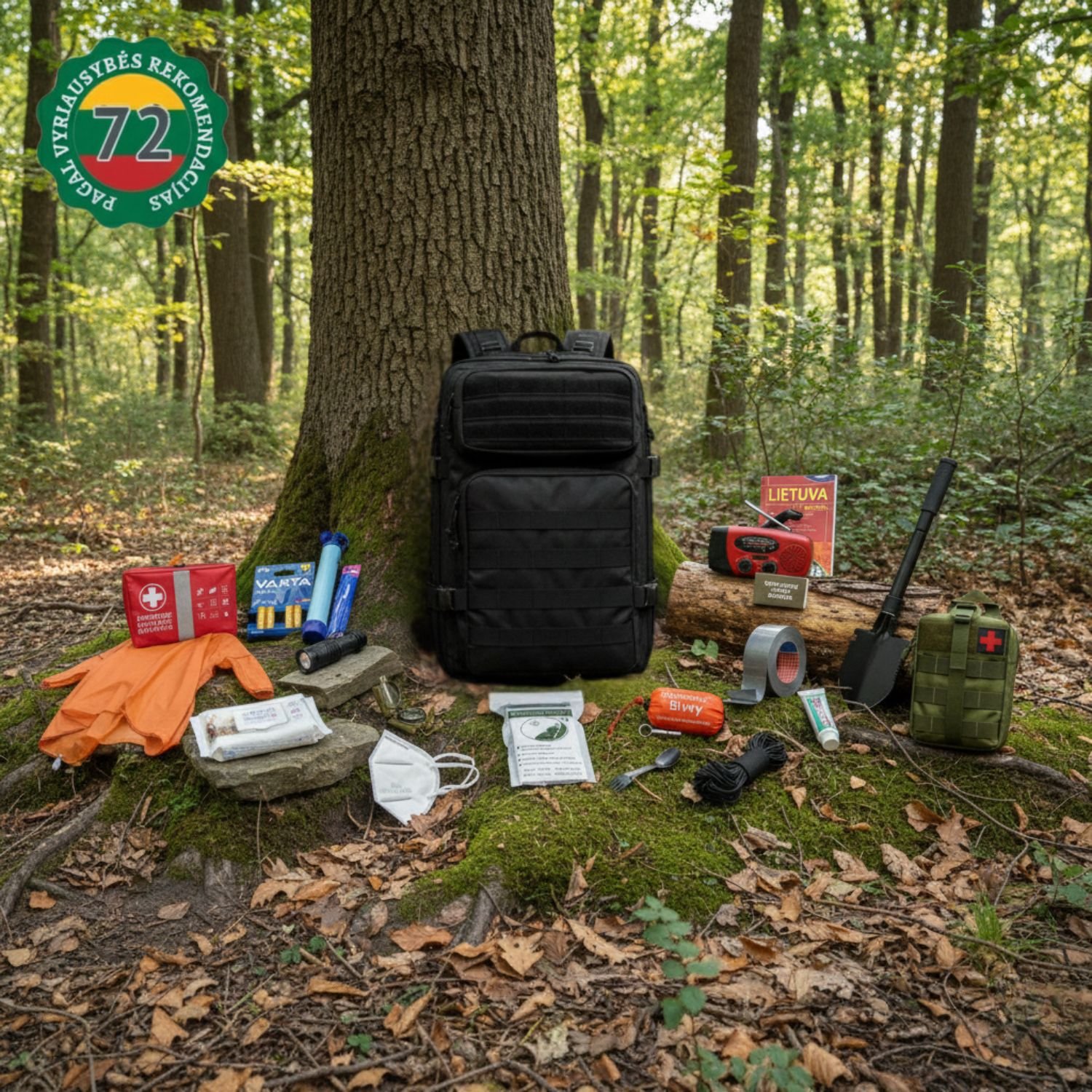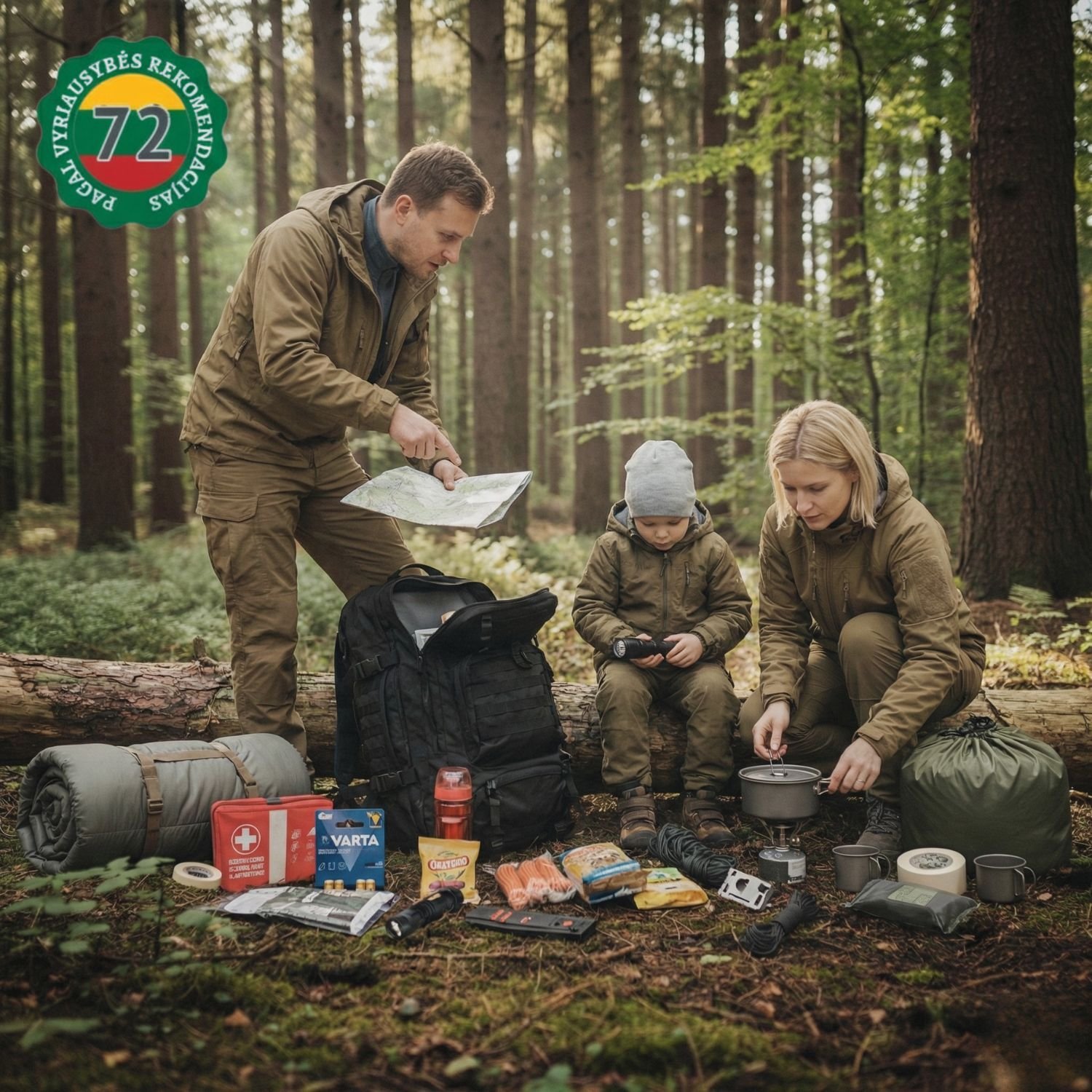
We live in unstable times – from natural disasters to geopolitical threats, any of us can find ourselves in a situation where access to electricity, water, food, or shelter is lost. For such events, a 72-hour survival backpack can become an essential survival tool, helping you stay safe during the first critical hours or even days of a crisis. Emergency preparedness experts worldwide recommend that every household have one ready at all times.

What Is a 72-Hour Survival Backpack?
A survival backpack is a specially assembled bag containing all the essential items a person needs to survive 72 hours (3 days) without any external support. It is packed so that it is ready to use immediately – just grab it and go. Unlike a regular bag, every item inside is carefully chosen based on survival priorities: hydration, nutrition, first aid, shelter, and safety.
Why Does It Matter?
According to Ready.gov, emergency preparedness kits are a fundamental part of any household disaster plan. The reasoning is clear – when a crisis strikes, every second counts.
- Disasters strike without warning. Fires, floods, power grid failures, armed conflicts – all of these can happen within minutes.
- Time is critical. During a crisis, there is no time to search for essential items. A ready backpack allows you to evacuate immediately.
- Authorities may be slow to respond. People often need to take care of themselves for several days before emergency services arrive.
- Peace of mind. Knowing you have a 72-hour survival backpack ready gives you and your family confidence in any situation.
What Should a Good Survival Backpack Contain?
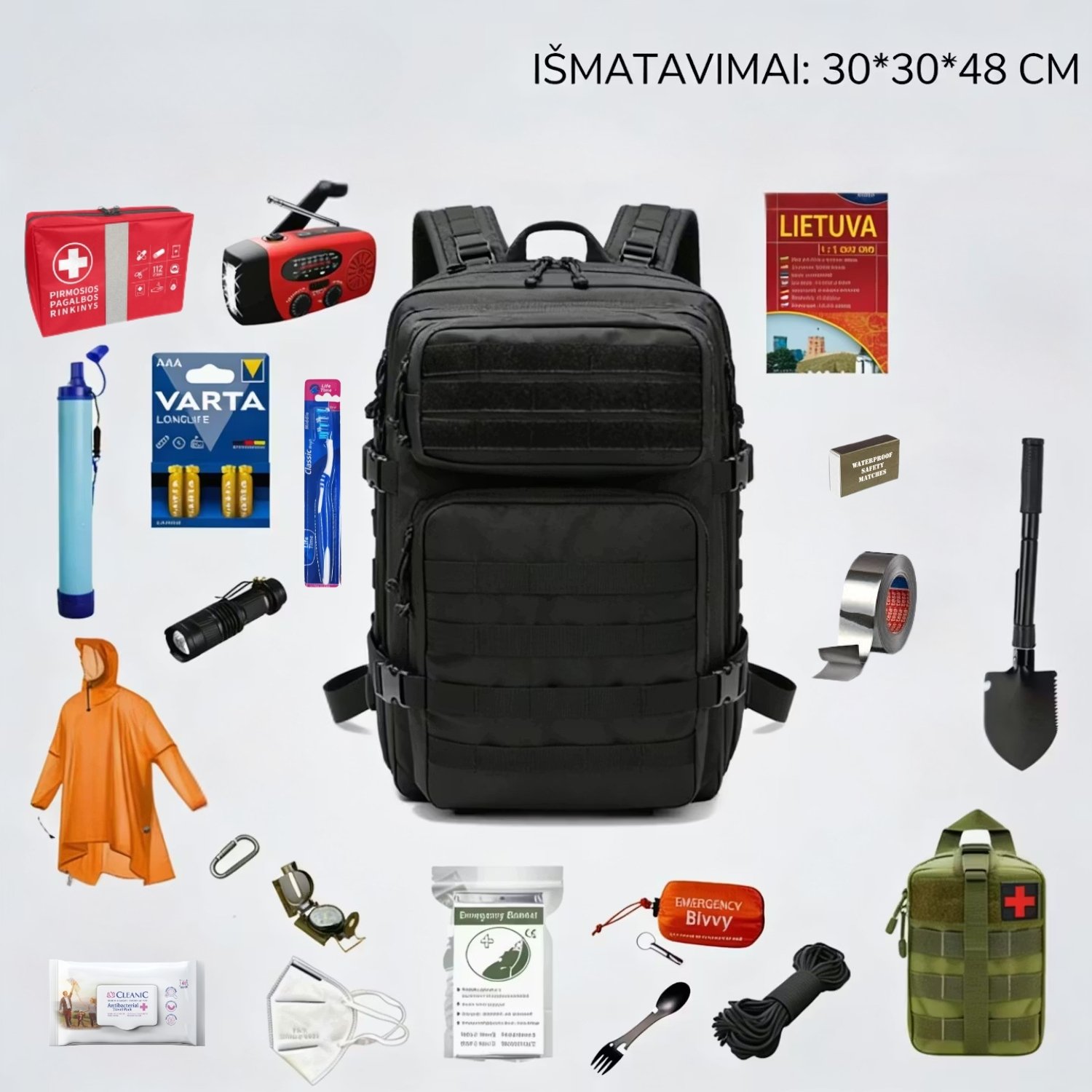
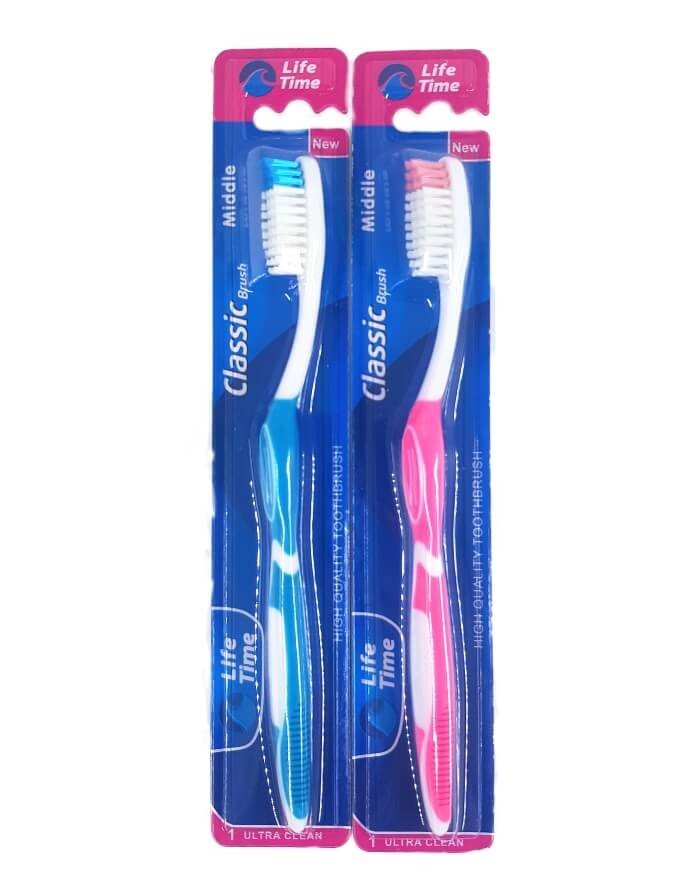
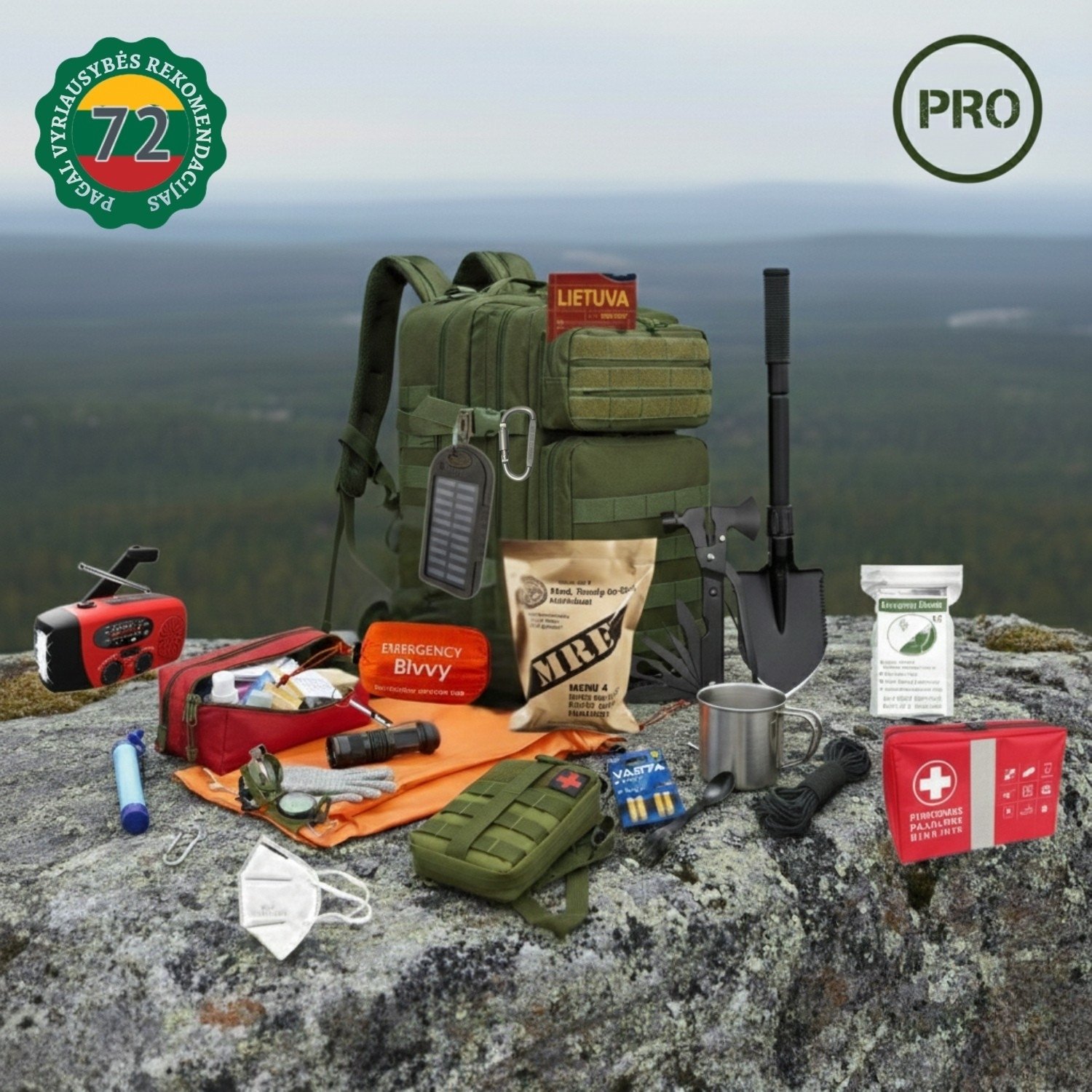
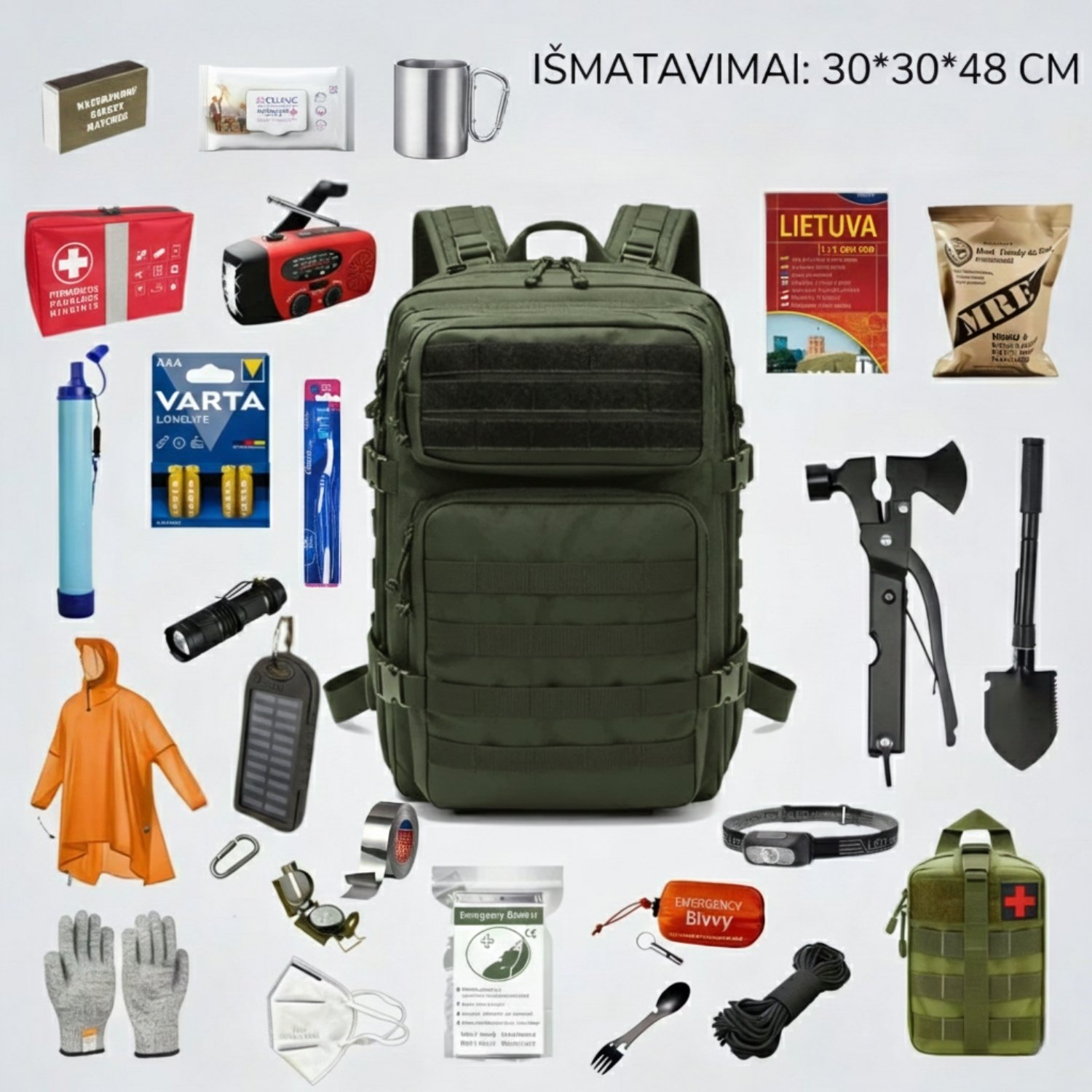
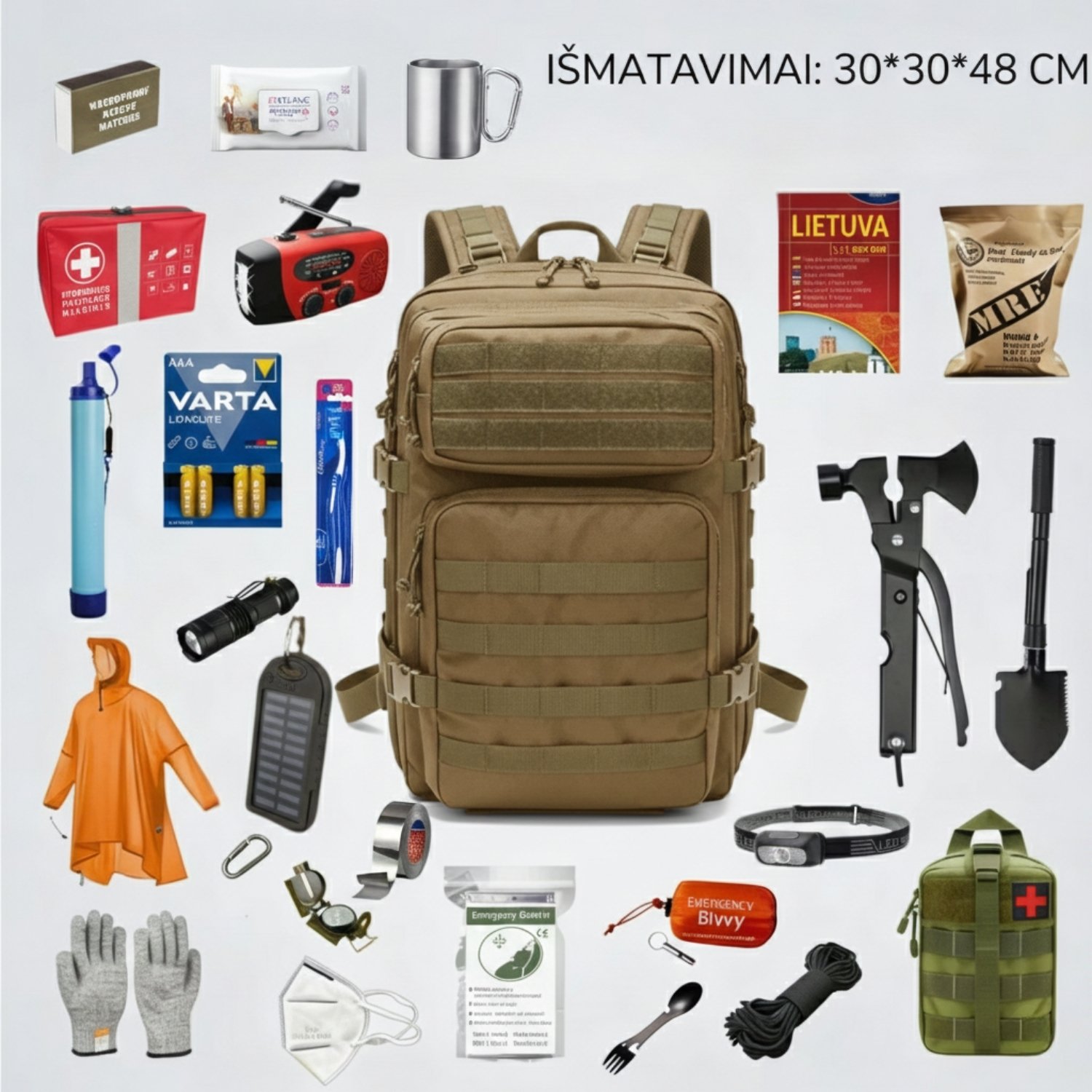
A professional 72-hour survival backpack should include the following key components. Each item serves a specific purpose to keep you alive and functional during an emergency:
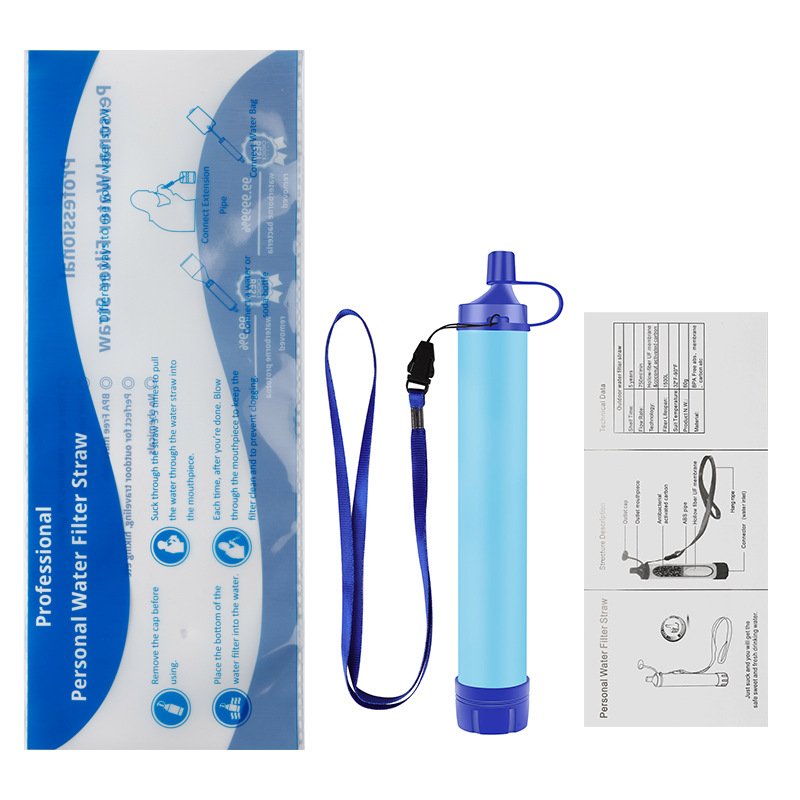
- Water supply or water filtration tools – at least 1 liter per person per day
- Long-shelf-life food kits – energy bars, freeze-dried meals, or MREs
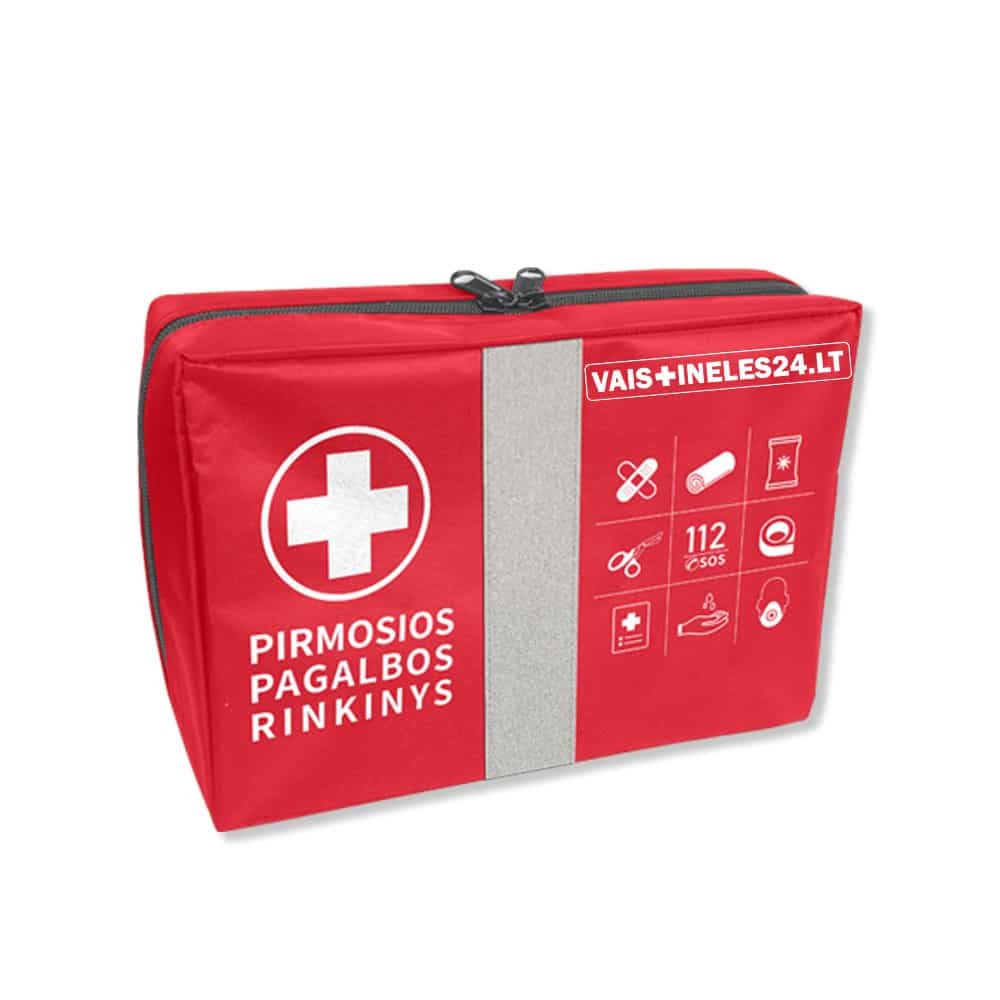
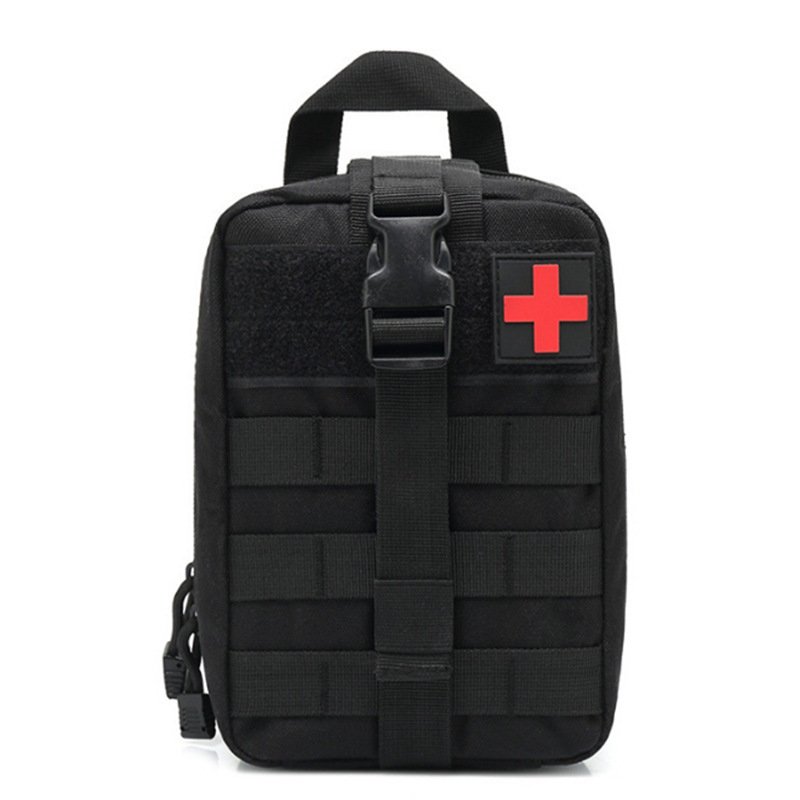
- First aid kit – bandages, antiseptic, pain relief, personal medications
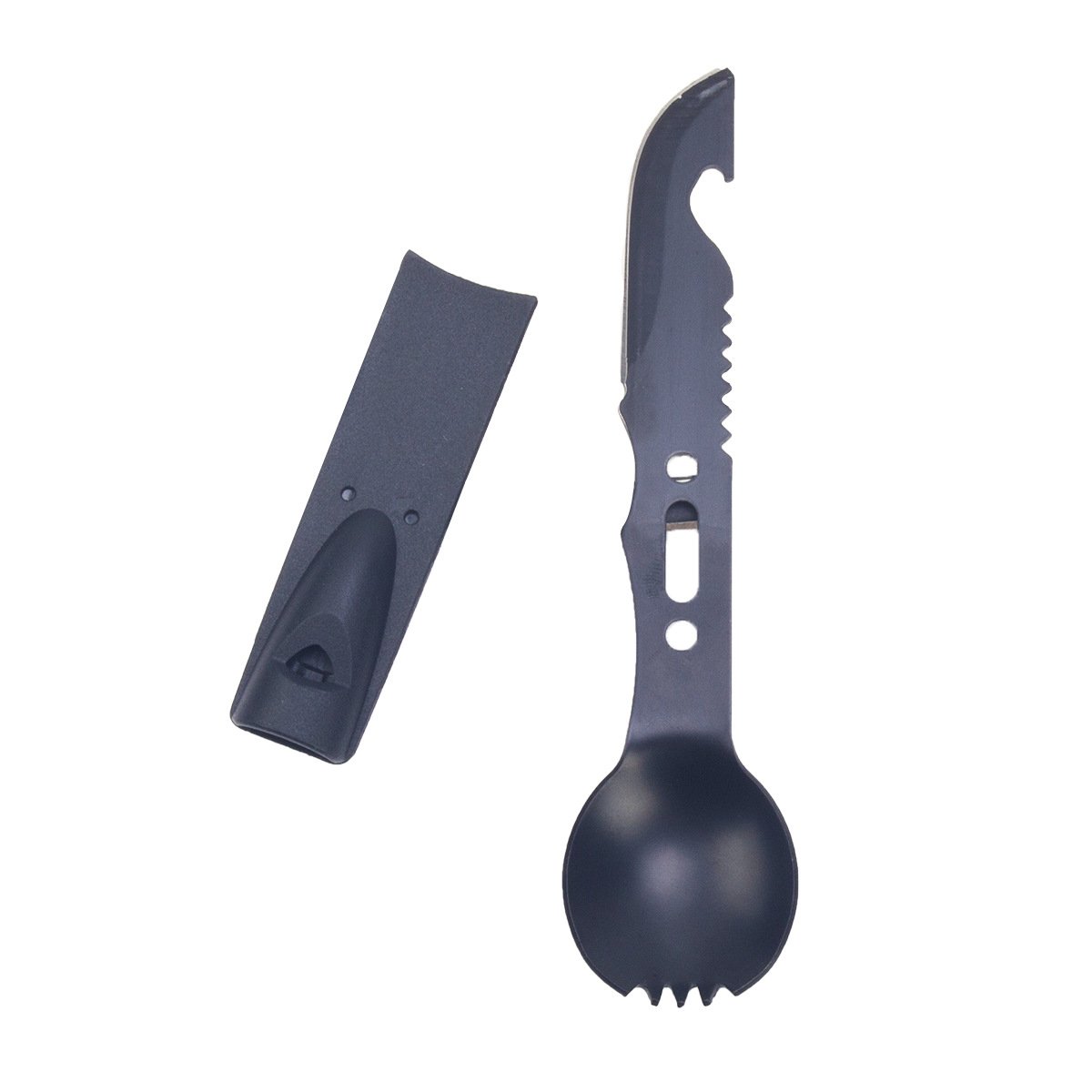
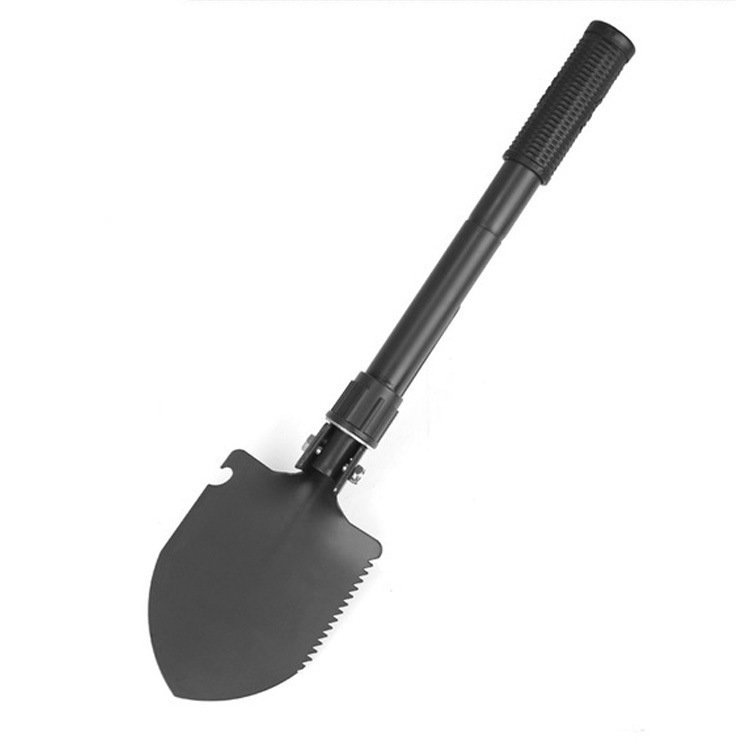
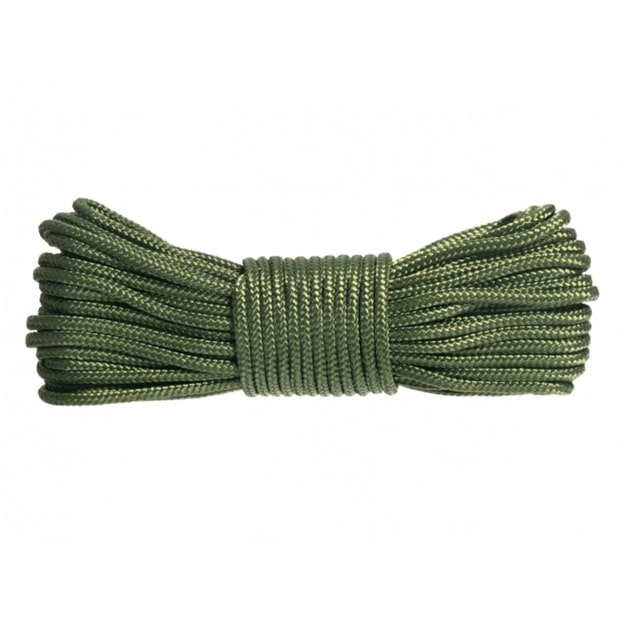
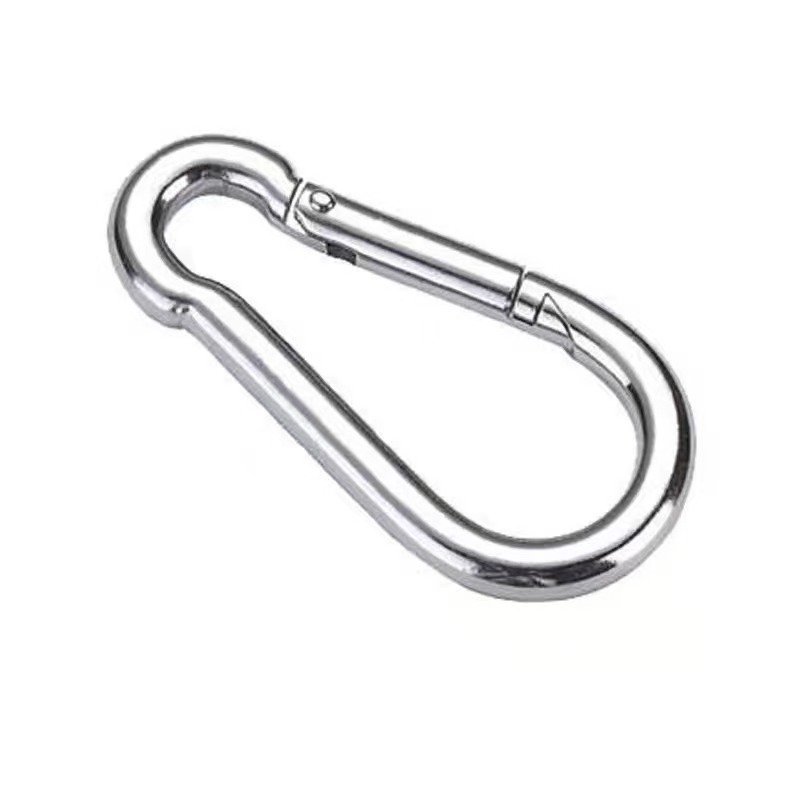
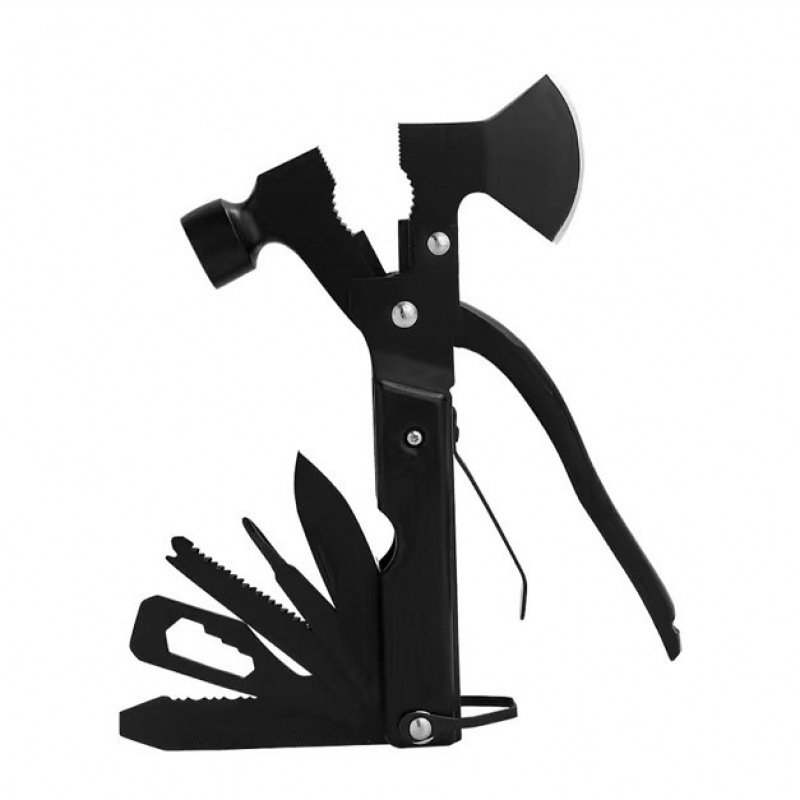
- Multi-tool and knife – versatile tools for dozens of emergency tasks
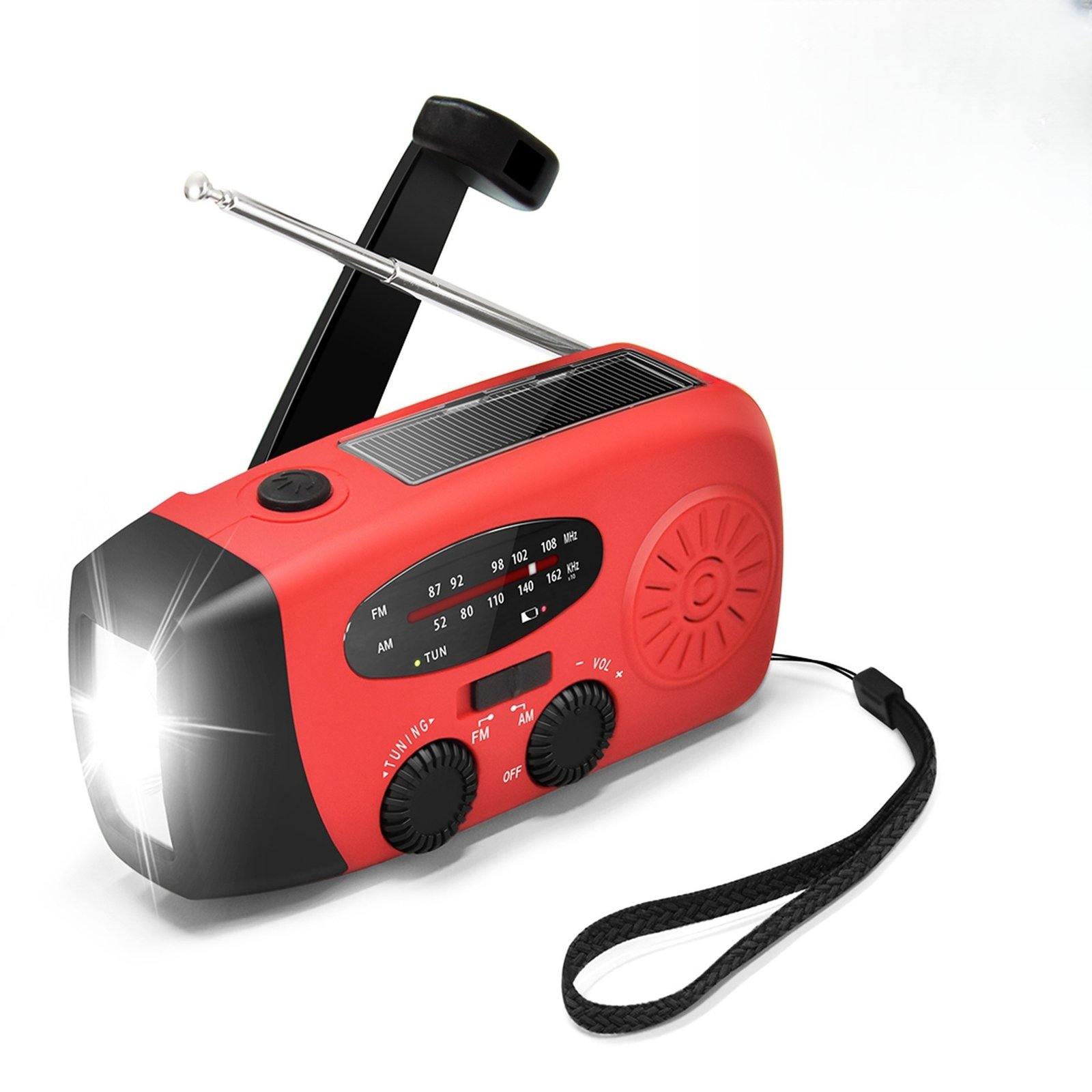
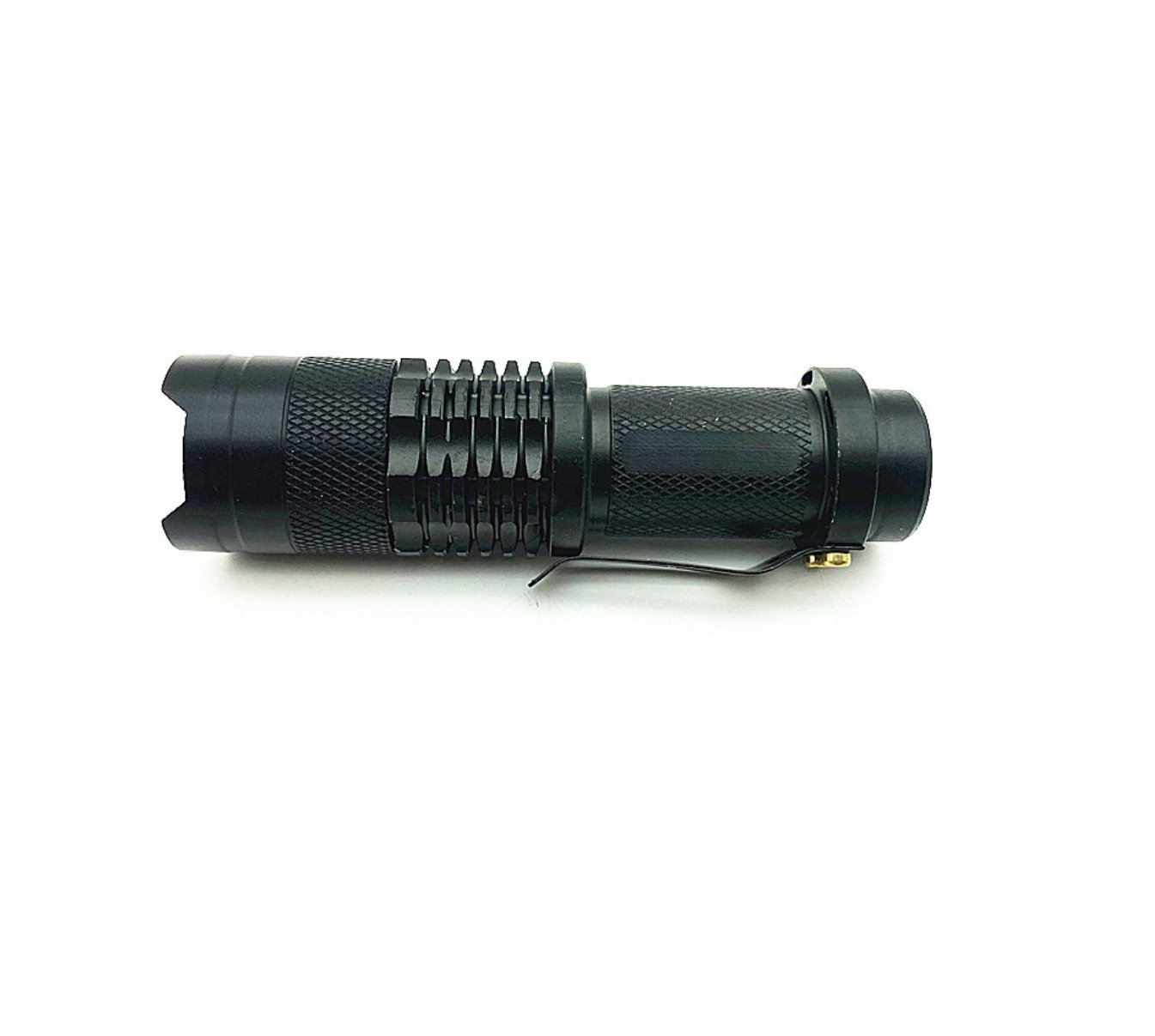
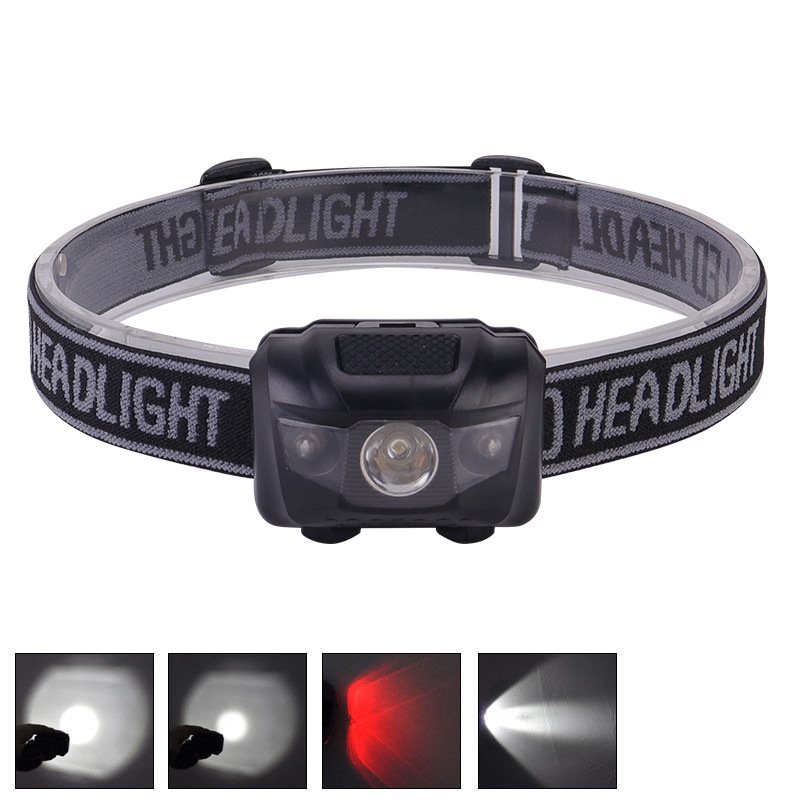
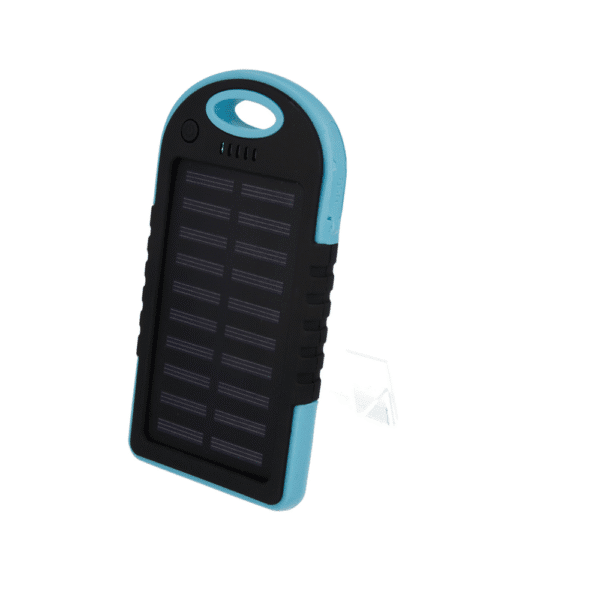
- Flashlight with extra batteries – or a hand-crank/solar-powered light
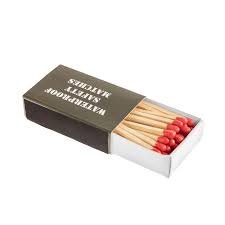
- Fire-starting tools – waterproof matches, lighter, or ferro rod
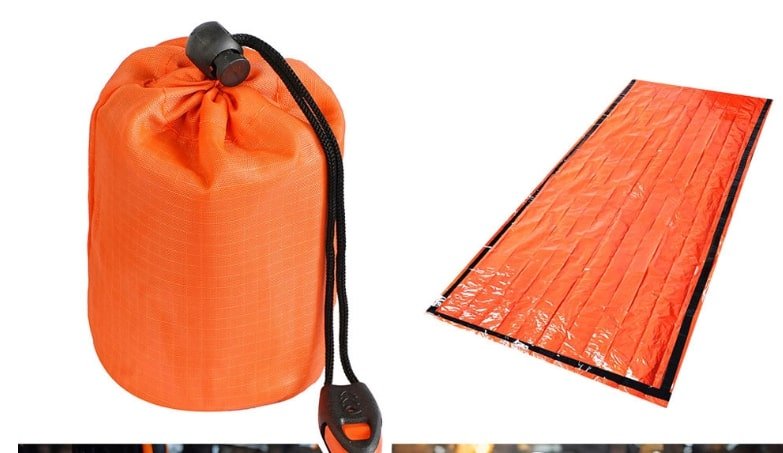
- Emergency blanket or sleeping bag – to prevent hypothermia in cold conditions
- Protective gear (masks, gloves) – especially important during health emergencies
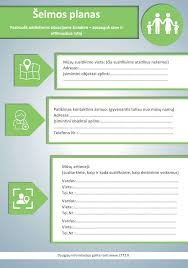
- Document copies and cash – ID, insurance cards, and small bills
- Whistle and signal mirror – for attracting attention and rescue signaling
Who Is a Survival Backpack For?
A 72-hour survival backpack should be in every household, regardless of where you live. It is especially important for:
- Those living near natural disaster zones (flood plains, earthquake zones, wildfire areas)
- People living in densely populated urban areas where panic and resource shortages occur faster
- Parents with young children who need extra supplies and comfort items
- Seniors or people with special needs who require additional medical supplies
- Anyone who values preparedness, self-reliance, and the safety of their family
How to Maintain Your Survival Backpack
Having a 72-hour survival backpack is not a one-time task – it requires regular maintenance. Check and update it every 6-12 months. Replace expired food, water, and medications. Update document copies if your personal information changes. Adjust the contents seasonally – add warmth layers in winter or extra water in summer. Store the backpack in an easily accessible location, such as near your main exit.
Where to Get a Survival Backpack?
If you are looking for a professionally assembled, ready-to-use 72-hour survival backpack, you can find one at the specialized store go72h.com. Here you will find carefully curated kits, put together based on expert recommendations and real-world experience. Each kit is designed to cover the most critical needs during the first 72 hours of any emergency.
A 72-hour survival backpack is not a sign of panic – it is a smart, responsible step toward protecting yourself and those you love. No matter where you live or what your lifestyle is, being prepared can save lives. Start building your kit today.