Paracord: der unsichtbare Lebensretter in Ihrer Ausrüstung. Wenn wir über Notfallvorsorge sprechen, denken wir oft an Überlebensmesser, Feuerstarter, taktische Taschen oder Wasserfilter. Das ist völlig logisch. Es gibt jedoch ein Werkzeug, das oft übersehen wird: Paracord. In einer Extremsituation kann dieser Gegenstand Ihr Leben retten, wenn Sie wissen, wie man ihn benutzt.
Was ist Paracord und warum ist es so besonders?
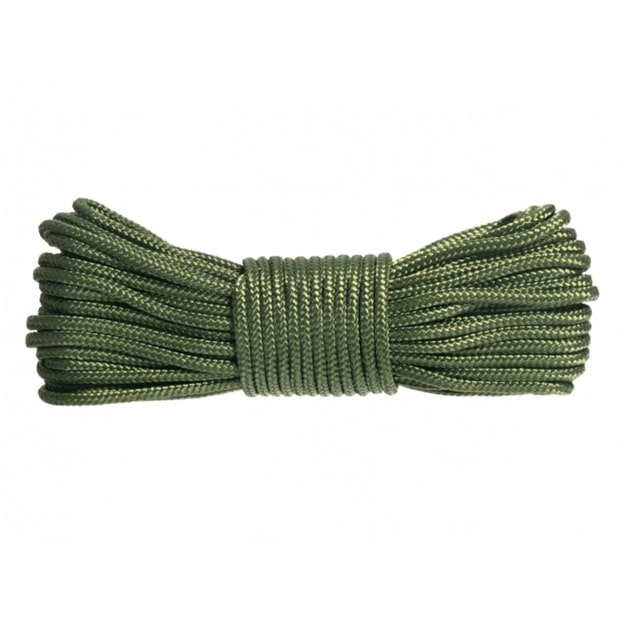
Das Original 550 Paracord, auch bekannt als Paracord Typ III, wurde für das US-Militär entwickelt und im Zweiten Weltkrieg für Fallschirme verwendet. Sein Geheimnis liegt in seiner Struktur: Unter einem robusten, abriebfesten Nylonmantel verbergen sich sieben (manchmal auch mehr) dünne, aber unglaublich starke Innenstränge. Im Grunde ist dieses Nylonseil ein leichtes Pendant zu einem Stahlseil. Ready.gov-Richtlinien zur Notfallvorsorge, Das Mitführen vielseitiger Seile in der Ausrüstung gehört zu den am meisten empfohlenen Maßnahmen zum Überleben in Katastrophenfällen.
Obwohl das Seil nur wenige Millimeter dick ist, kann es ein statisches Gewicht von etwa 250 Kilogramm tragen. Das ist eine unglaubliche Stärke für ein so dünnes Material. Doch der wahre Überlebensvorteil zeigt sich erst, wenn man erkennt, dass sich das Seil zerlegen und jedes Teil einzeln verwenden lässt.
Bau von Unterkünften in der Wildnis
Fangen wir mit den grundlegendsten Bedürfnissen an – einem Dach über dem Kopf. Wenn man sich im Wald verirrt, das Wetter umschlägt und die Nacht hereinbricht, braucht man dringend Schutz. Mit ein paar Metern Paracord und einer einfachen Plane oder sogar ein paar Kiefernzweigen lässt sich in wenigen Minuten ein zuverlässiger Schutz vor Regen und Wind errichten. Ob man nun Baumstämme zusammenbindet oder eine Plane zwischen Bäumen spannt, dieses Seil ist dafür perfekt geeignet. Es rutscht nicht, hält Knoten gut und lässt sich bei Bedarf leicht lösen.
Erste-Hilfe-Anwendungen im Feld
Bei Verletzungen fernab der Zivilisation wird Paracord zu einem improvisierten medizinischen Hilfsmittel:
- Schienen: Wenn ein Gliedmaß gebrochen ist, kann man mit geraden, stabilen Ästen und diesem Seil eine stabile Schiene herstellen.
- Improvisiertes Tourniquet: Wenn Sie eine massive Blutung aus einer Extremität dringend stoppen müssen, kann die Nabelschnur als vorübergehende Abbindehilfe dienen.
- Notfallnaht: Durch Herausziehen eines der dünnen inneren Fäden kann es, sofern die Situation wirklich extrem ist und man über die nötigen Fähigkeiten verfügt, zum Nähen von Wunden verwendet werden.
Nahrungsbeschaffung und andere Überlebenstricks
Die Nahrungssuche ist ein weiterer entscheidender Überlebensschritt. Durch Entfernen eines inneren Strangs erhält man eine sehr starke Angelschnur. Befestigt man einen improvisierten Haken und sucht nach Köder, steigen die Chancen auf Nahrung. Dieselben inneren Stränge oder das gesamte Seil eignen sich ideal zum Aufstellen von Schlingen und Fallen für Kleintiere.
Weitere lebenswichtige Anwendungsmöglichkeiten:
- Feuer: Wenn Ihnen Streichhölzer fehlen, Sie aber primitive Überlebensmethoden kennen, ist dieses Seil nützlich, um einen Bogenbohrer herzustellen, mit dem man durch Reibung ein Feuer entzünden kann.
- Reparaturen: kaputte Schnürsenkel ersetzen, gerissene Schnürsenkel reparieren Notfallrucksack Riemen oder das Umwickeln eines Messergriffs für einen besseren Halt.
- Sicherheit: Die Lebensmittelvorräte werden hoch oben in einem Baum aufgehängt, um sie vor wilden Tieren zu schützen.
- Navigation: Benutze die Schnur, um deinen Weg zu markieren und bei schlechten Sichtverhältnissen den Weg zurück zum Lager zu finden.
Warum dieses Seil in jeden Notfallrucksack gehört
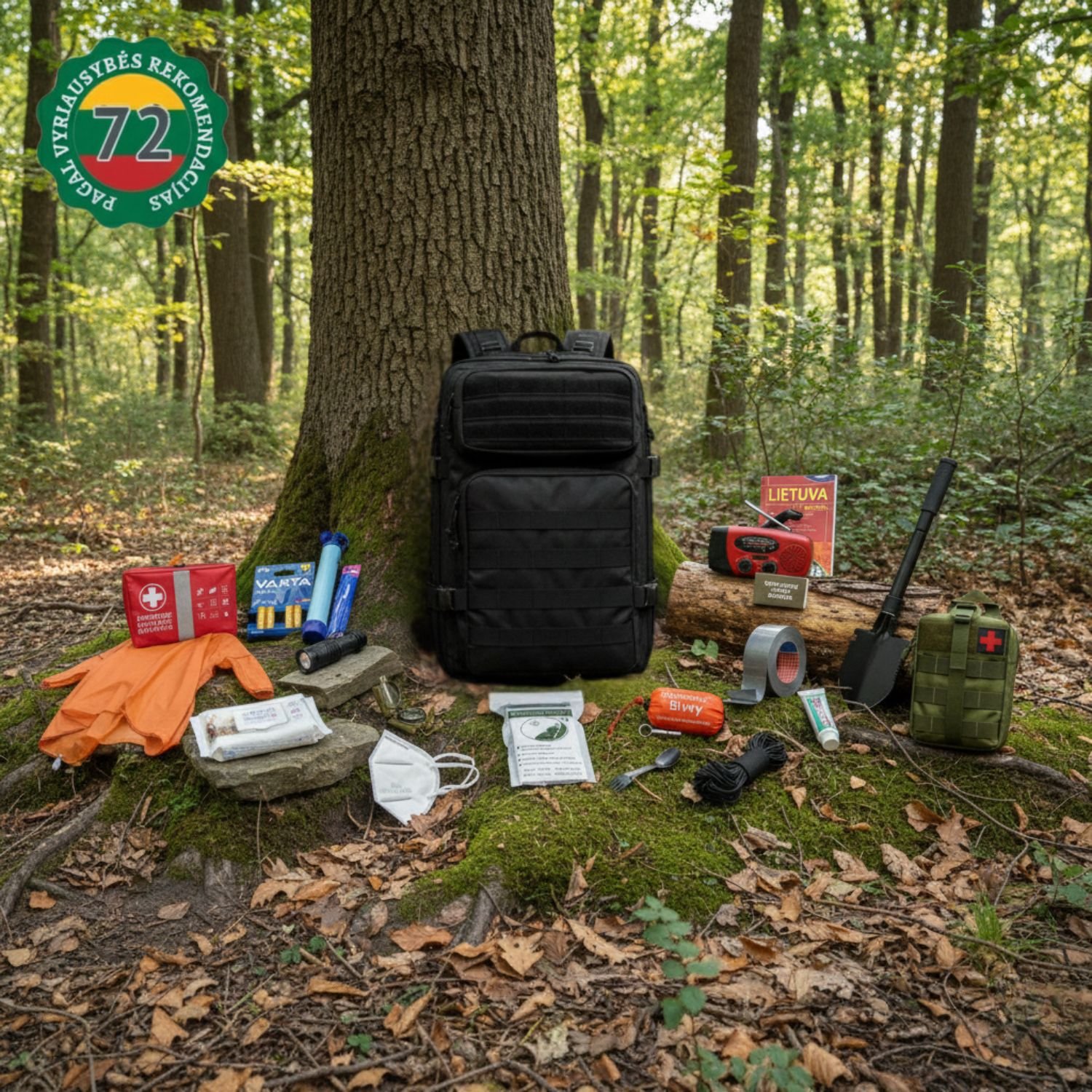
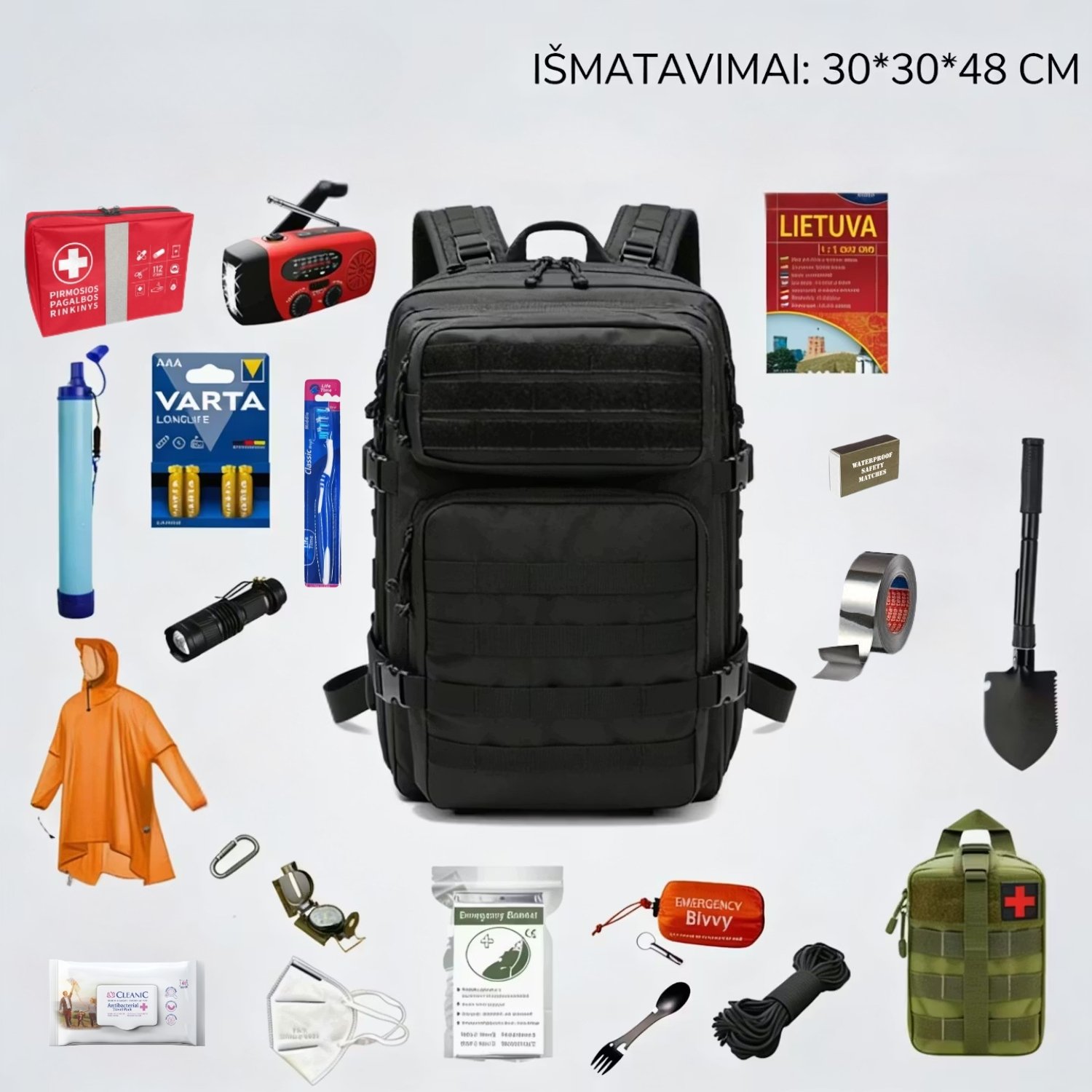
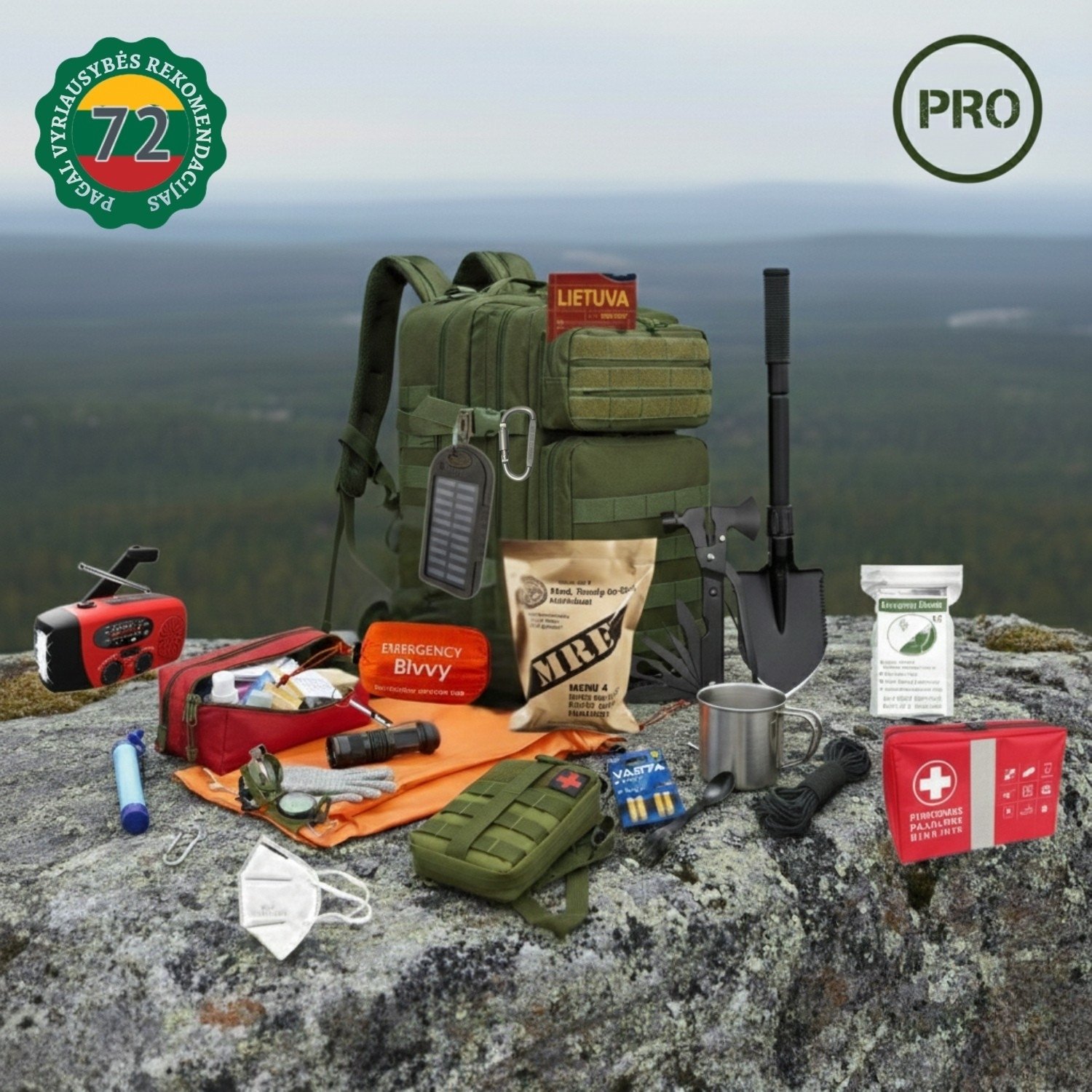
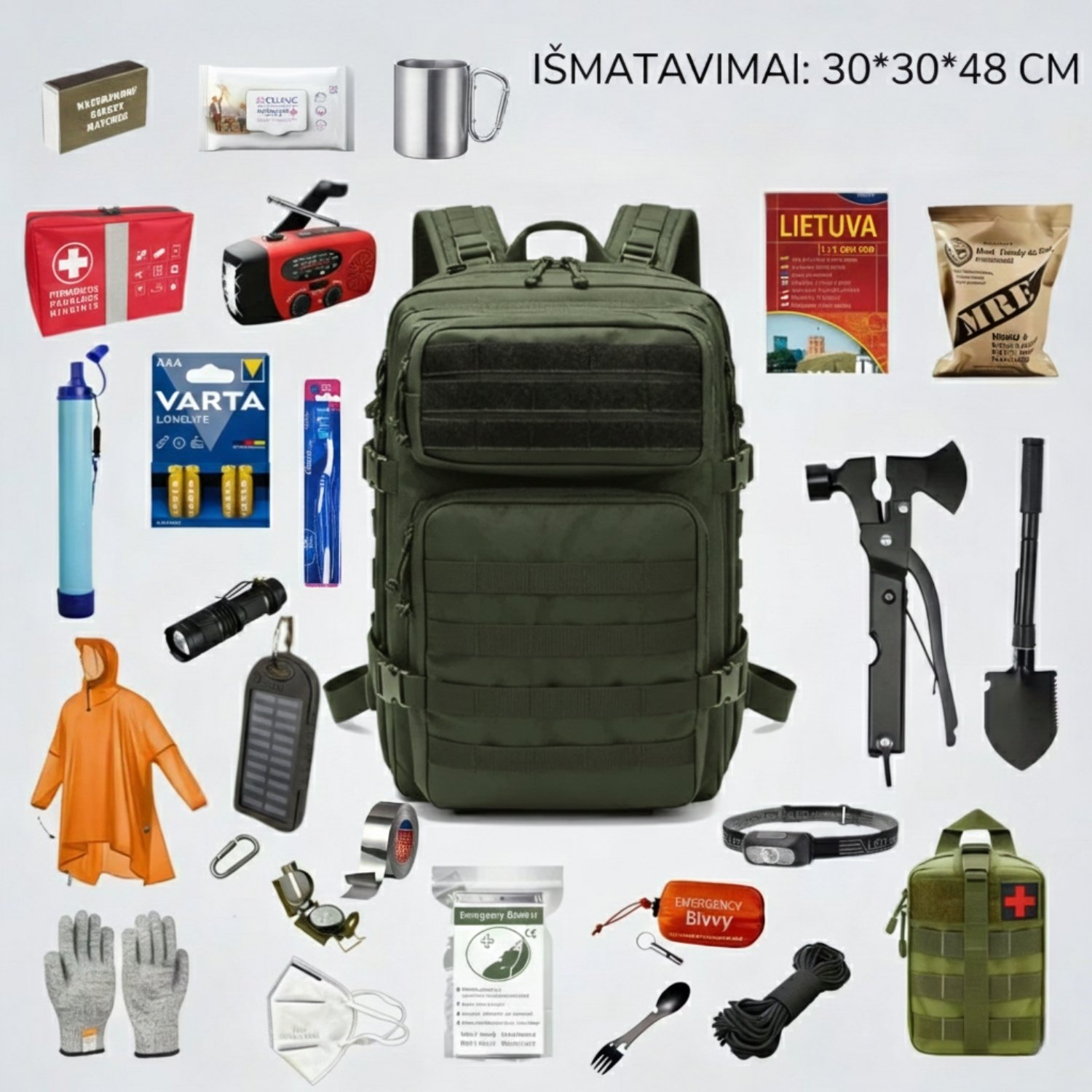
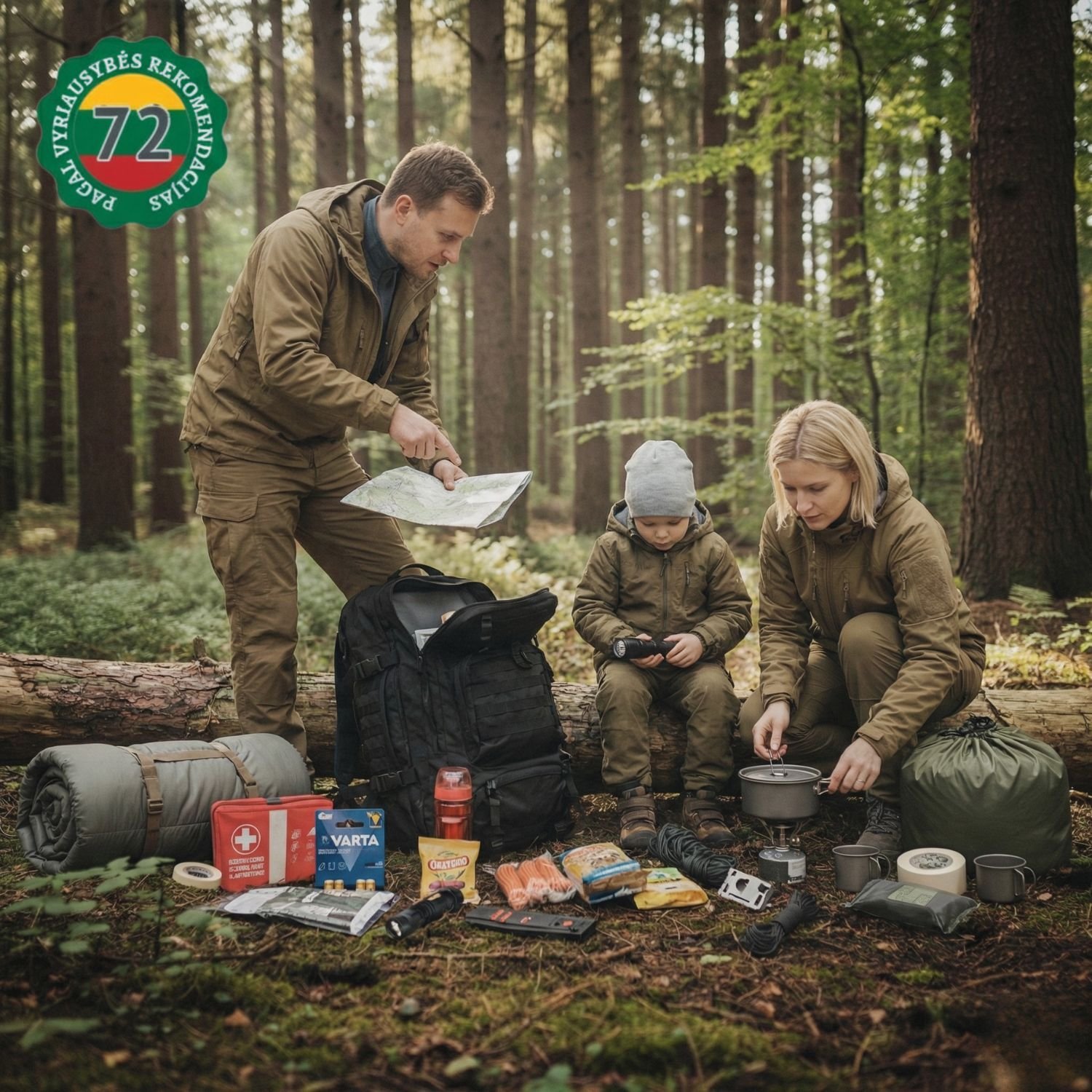
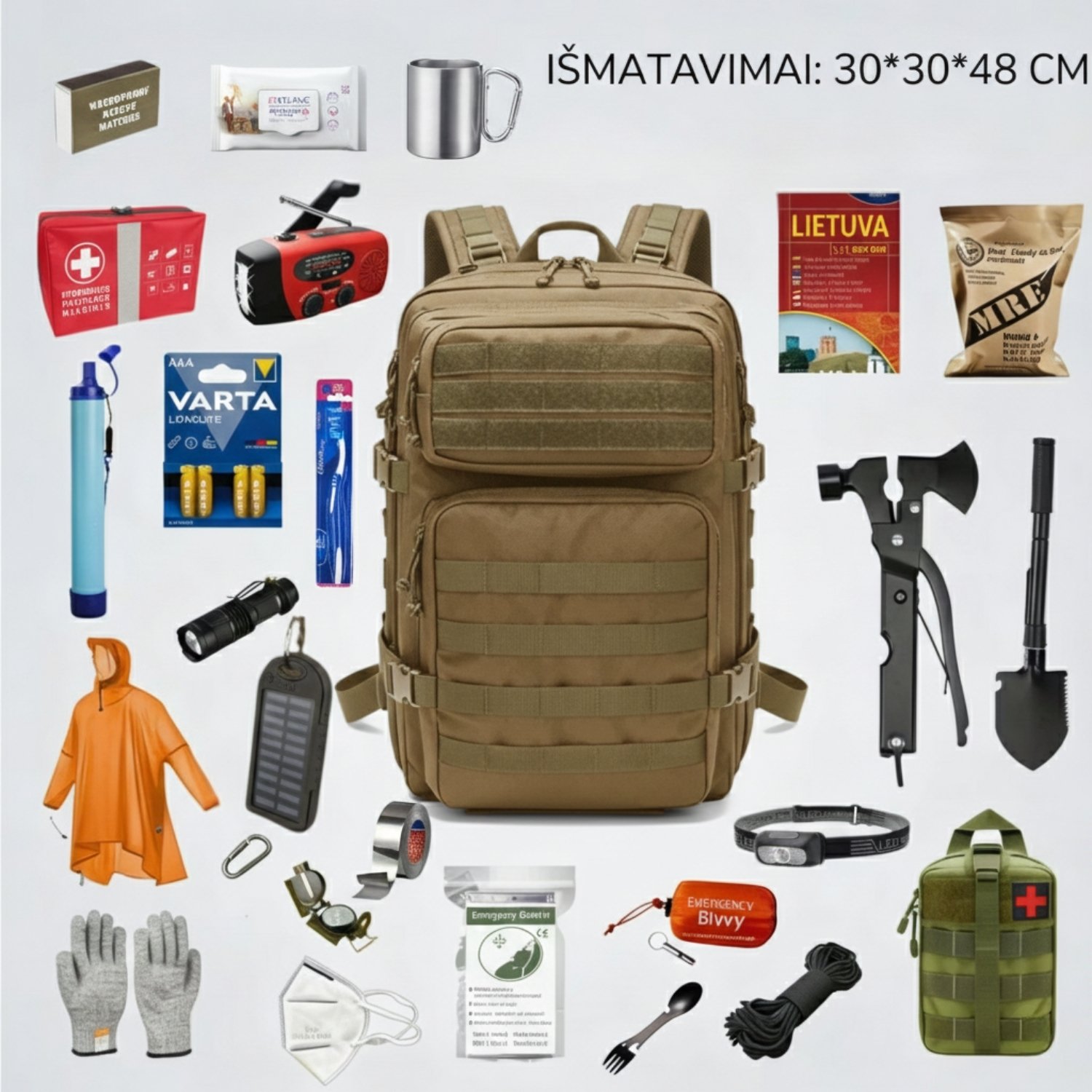
Deine Überlebenschancen hängen nicht nur von deinem Wissen, sondern auch von der Vielseitigkeit deiner Ausrüstung ab. Paracord ist eines der vielseitigsten, leichtesten und günstigsten Ausrüstungsgegenstände. Trage es als Survival-Armband am Handgelenk oder wirf zehn Meter davon in dein Bett. Notfallrucksack. Es nimmt kaum Platz ein und ist leicht zu tragen, kann aber in kritischen Momenten Dutzende anderer Werkzeuge ersetzen. Jedes vollständige Set 72-Stunden-Überlebenspaket sollte mindestens 10 Meter hochwertiges 550er Paracord enthalten.
Häufig gestellte Fragen
Was ist 550 Paracord?
Paracord Typ III in Militärqualität ist ein leichtes Nylonseil mit einer Tragfähigkeit von 250 kg. Es besteht aus sieben inneren Strängen in einem robusten Außenmantel und ist daher äußerst vielseitig für Überlebenssituationen geeignet.
Wie viel sollte ich in meinem Überlebensset mitführen?
Die meisten Überlebensexperten empfehlen, mindestens 10–30 Meter Seil im Notfallset mitzuführen. Ein Überlebensarmband fasst, wenn es abgewickelt ist, etwa 3–5 Meter Seil.
Kann es nass werden?
Ja. Die Nylonhülle ist äußerst wasserabweisend und trocknet schnell, wodurch sie auch bei nassen und regnerischen Bedingungen zuverlässig ist.
Sei vorbereitet, achte auf deine Sicherheit und unterschätze niemals die Kraft eines guten Seils.